What Is Active Recovery, Exactly?
Active recovery means performing low-intensity physical activity on days following intense training — as opposed to complete rest. This could be a gentle walk, easy swimming, yoga, light cycling, or mobility drills. The goal is not to stress muscles further but to improve blood and lymph circulation and accelerate the recovery process.
Why Does Active Recovery Work?
After intense training, lactate accumulates in muscles and microscopic damage occurs in muscle fibres. Circulation is responsible for delivering oxygen and nutrients to damaged areas and clearing metabolic waste products. Light movement increases blood flow without causing additional damage.
A study by Menzies et al. (2010) found that active recovery via light cycling cleared blood lactate almost twice as quickly as passive rest. That means your next training session can begin from a more recovered baseline.
Best Forms of Active Recovery
| Activity | Intensity | Duration | Best after |
|---|---|---|---|
| Walking | Very low | 20–40 min | Any training type |
| Easy swimming | Low | 20–30 min | Strength training |
| Yoga / stretching | Low | 30–45 min | High-volume sessions |
| Light cycling | Low | 30–45 min | Running sessions |
| Cold water swimming | Low | 10–15 min | Sprint and plyometric training |
Key rule: Heart rate should stay below 60% of maximum — roughly 95–110 bpm for most people.
Active Recovery vs Complete Rest: When to Choose Which
Active recovery works well:
- 24–48 hours after very intense training sessions
- Between sessions in multi-day training blocks
- On low-energy days when a full training session isn't appropriate
Complete rest is advisable:
- During illness or injury
- Within the first 24 hours after competition
- When signs of overtraining appear
Nutrition on Active Recovery Days
Nutrition on an active recovery day matters as much as on training days. Protein intake supports muscle repair even on low-activity days.
OstroVit BCAA + Glutamine 5500mg 300caps — branched-chain amino acids help reduce muscle soreness and support muscle protein synthesis even on rest days. DY The Glutamine Recovery 300g — glutamine supports immune function and gut health after intense training. 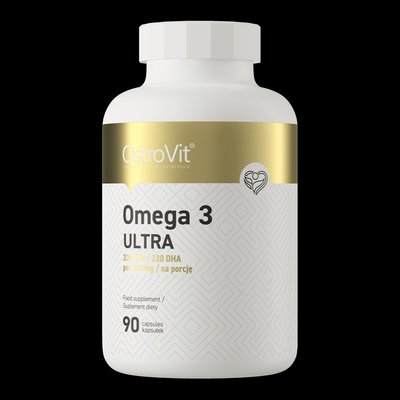 OstroVit Omega 3 Ultra€13.90 In stock 90 caps — omega-3 fatty acids carry well-documented anti-inflammatory properties supporting recovery (Smith et al., 2011). OstroVit Post-Workout Formula 500g Strawberry-Berry — a purpose-built recovery blend combining creatine, protein, and carbohydrates.
Find them at maxfit.ee/en/category/l-glutamiin and maxfit.ee/en/category/bcaa-et.
Practical Tips for Effective Active Recovery
Hydration: Drink consistently throughout the day — dehydration slows nutrient transport to muscles. Add electrolytes if you sweat heavily.
Foam rolling: Myofascial release can be combined with active recovery to improve fascial tissue circulation and reduce tightness.
Don't overdo it: The most common mistake is turning an active recovery day into a de facto training day. If you're pushing limits, the intensity is too high.
FAQ
Is active recovery better than complete rest for muscle growth?
Active recovery supports muscle growth indirectly by accelerating recovery, which enables higher-quality training in the next session. It doesn't directly cause muscle growth, but it creates better conditions for it to occur.
How long should an active recovery session last?
Usually 20–45 minutes is enough. Longer is not better — the goal is to stimulate circulation, not create additional fatigue.
Can I do active recovery every day?
Yes, gentle movement like walking or stretching is suitable as a daily practice. More demanding forms like swimming or cycling are best done 2–3 times per week based on your training load.
References
- Menzies, P., Menzies, C., McIntyre, L., Paterson, P., Wilson, J., & Kemi, O. J. (2010). Blood lactate clearance during active recovery after an intense running bout depends on the intensity of the active recovery. Journal of Sports Sciences, 28(9), 975–982.
- Smith, G. I., Atherton, P., Reeds, D. N., Mohammed, B. S., Rankin, D., Rennie, M. J., & Mittendorfer, B. (2011). Omega-3 polyunsaturated fatty acids augment the muscle protein anabolic response to hyperinsulinaemia–hyperaminoacidaemia. Clinical Science, 121(6), 267–278.
- Dupuy, O., Douzi, W., Theurot, D., Bosquet, L., & Dugué, B. (2018). An evidence-based approach for choosing post-exercise recovery techniques to reduce markers of muscle damage, soreness, fatigue, and inflammation. Frontiers in Physiology, 9, 403.
- Halson, S. L. (2014). Monitoring training load to understand fatigue in athletes. Sports Medicine, 44(S2), 139–147.
- Barnett, A. (2006). Using recovery modalities between training sessions in elite athletes. Sports Medicine, 36(9), 781–796.