Vitamin K is a fat-soluble vitamin that exists in two main forms: K1 (phylloquinone) in leafy green vegetables and K2 (menaquinone) in fermented and animal-based foods. Vitamin K is essential for blood clotting — without it, the body could not stop bleeding. K2 also plays an important role in directing calcium to bones rather than arteries.
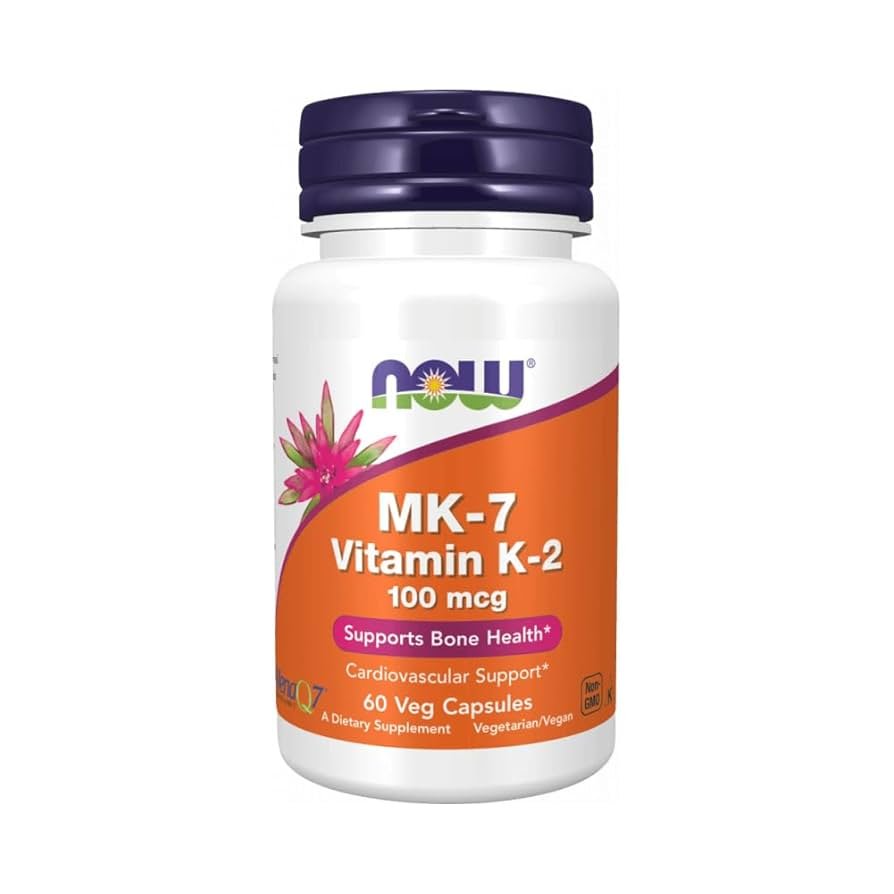
The most studied K2 subtypes are MK-4 and MK-7. MK-7 (sourced from natto, fermented soybeans) has a longer duration of action and requires smaller doses. The typical supplement dose is 100-200 mcg of K2 per day, often combined with vitamin D.
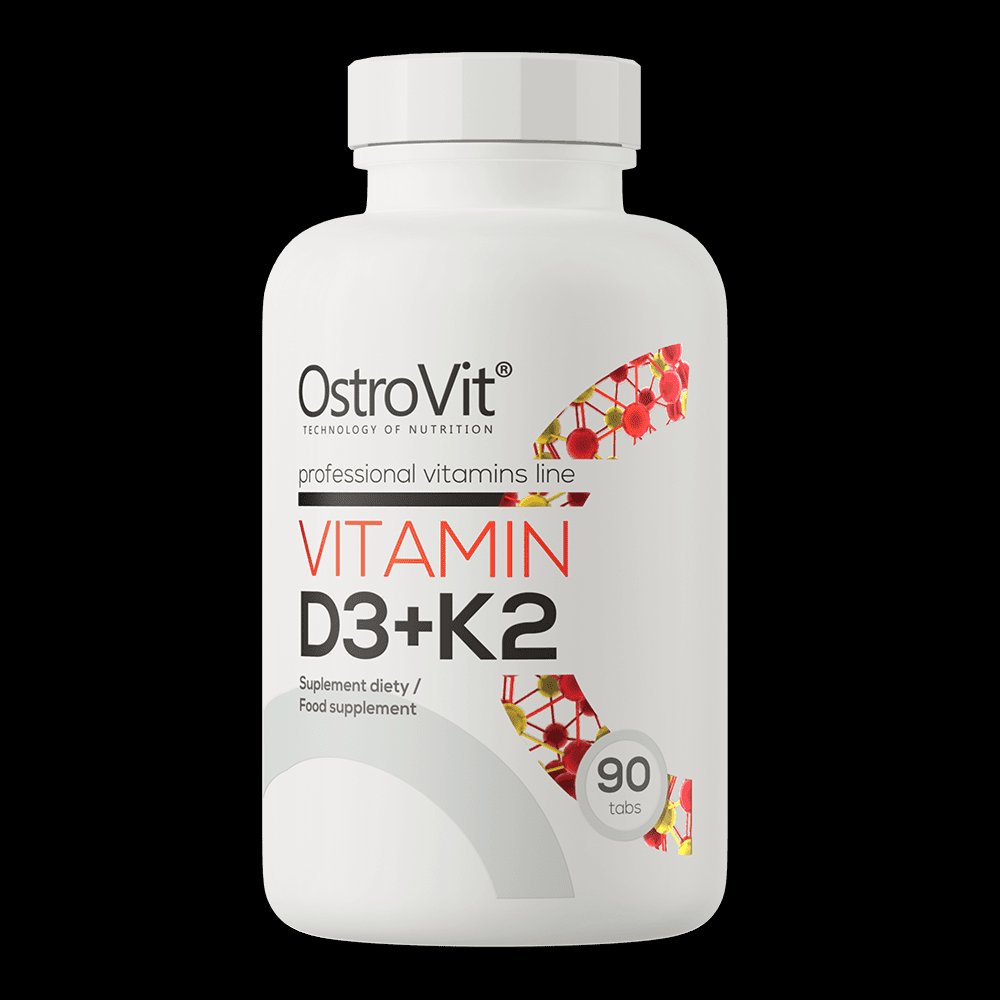
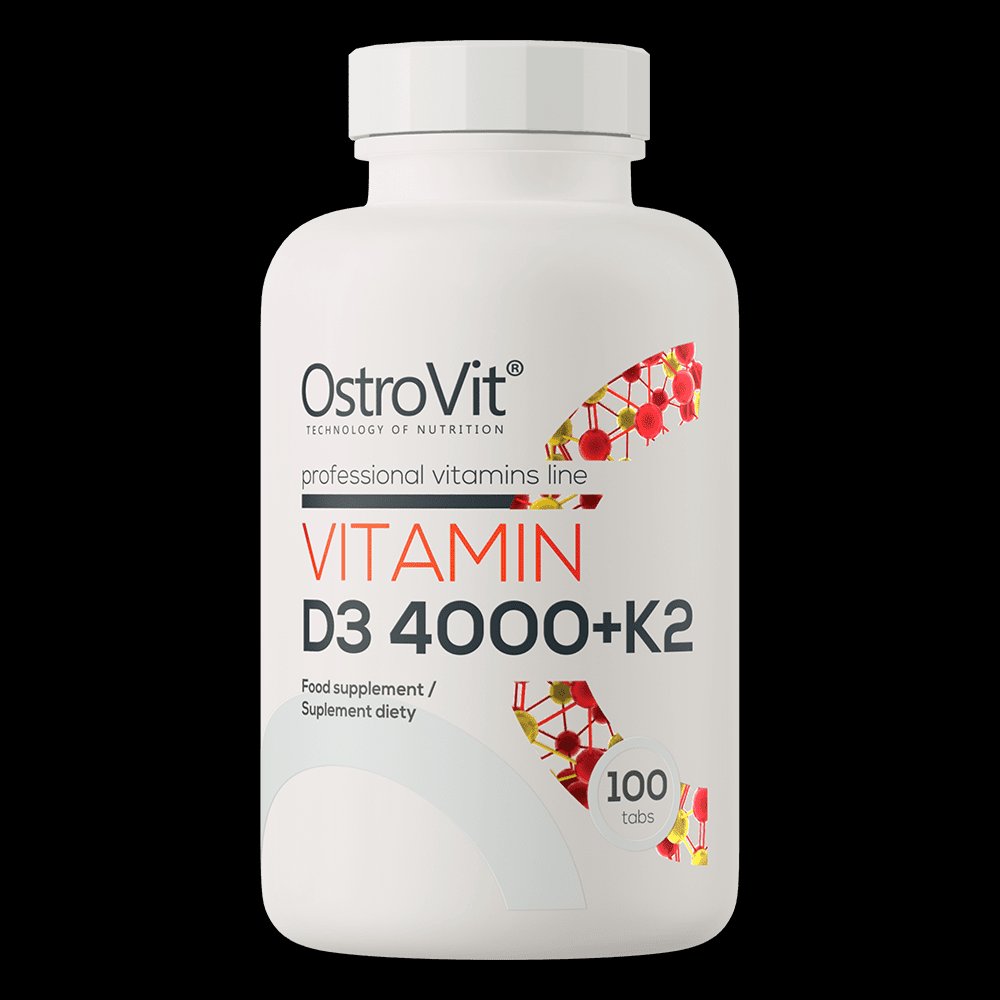
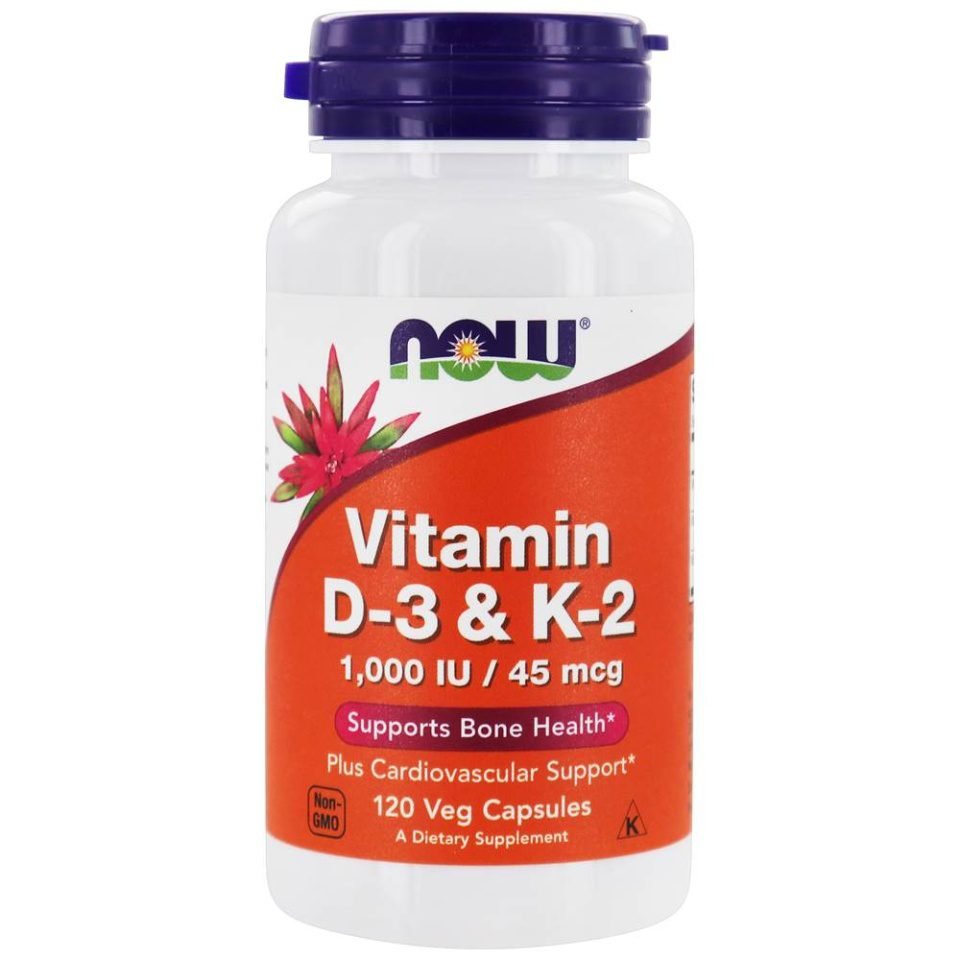
Vitamin D increases calcium absorption from the intestine, but K2 directs that calcium to bones and teeth rather than blood vessel walls. Without K2, long-term high-dose vitamin D may promote calcium deposits in arteries. The D3+K2 combination is one of the most effective bone health supports.
Yes, vitamin K is a direct antagonist of warfarin (Coumadin). Warfarin users must keep vitamin K intake stable rather than changing it abruptly. Starting K2 supplements alongside warfarin always requires medical guidance. Newer anticoagulants (rivaroxaban, apixaban) are not affected by vitamin K.
K1 is primarily involved in blood clotting and is found abundantly in leafy green vegetables. K2 directs calcium to bones and protects arteries from calcification — found in natto, cheese, and egg yolks. As a supplement, K2 (especially MK-7 form) is more effective than K1 for bone and heart health.
For bone and cardiovascular health, 100-200 mcg of K2 (MK-7 form) per day is recommended. This dose has shown positive effects on bone density and arterial elasticity in studies. Combined with vitamin D3 (2,000-4,000 IU), it forms one of the most effective bone health combinations.