Skip to content
MaxFit
.ee
🇬🇧
EN
MaxFit
.ee
TurboAI
AI
Account
Log in
⌄
My orders
& tracking
🇬🇧
EN
⌄
0
Basket
Home
Sport Nutrition
Vitamins and Minerals
Health Supplements
Healthy Food
Accessories
Blog
More
⌵
Home
Sports
Vitamins
Health
Food
Gear
Blog
All
/
Sport Nutrition
/
Pre-Workout Supplements — Energy & Focus
Pre-Workout Supplements — Energy & Focus
Pre-Workout Powders
(10)
Pre-Workout Shots
(4)
1–3 day delivery
Free shipping from €50
Secure payment
21 Showing results
Sort by:
Featured
Price: Low to High
Price: High to Low
Price per Serving
Rating
Newest
Sort by
Brand
Price
Dietary
Flavor
Item Form
Deals
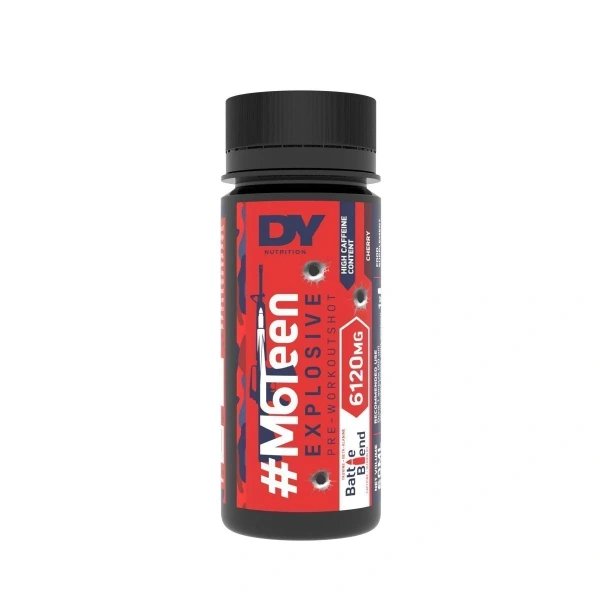
DY Pre-Workout M6Teen Liquid 60ml Cherry
Strength
DY Nutrition
•
Pre-Workout Supplements
•
Cherry
€
2
29
€2.29 per serving
• 1 servings
Get it by Thursday, Jun 4
⚡ Pre-Workout
💪 Strength
Only 2 left
Add to Basket
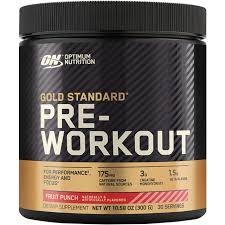
Optimum-nutrition Pre-Workout 330g Puuviljapunch
Strength
Optimum-nutrition
•
Pre-Workout Supplements
•
Fruit Punch
€
32
90
€1.10 per serving
• 30 servings
Get it by Thursday, Jun 4
⚡ Pre-Workout
💪 Strength
Only 1 left
Add to Basket
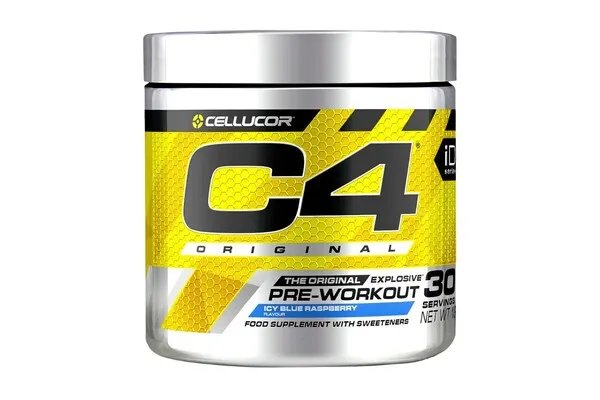
C4 Original Pre-Workout 30serv Icy Blue Razz
Strength
Cellucor
•
Pre-Workout Supplements
•
Blue Raspberry
€
26
90
€0.90 per serving
• 30 servings
Get it by Thursday, Jun 4
⚡ Pre-Workout
💪 Strength
Only 1 left
Add to Basket
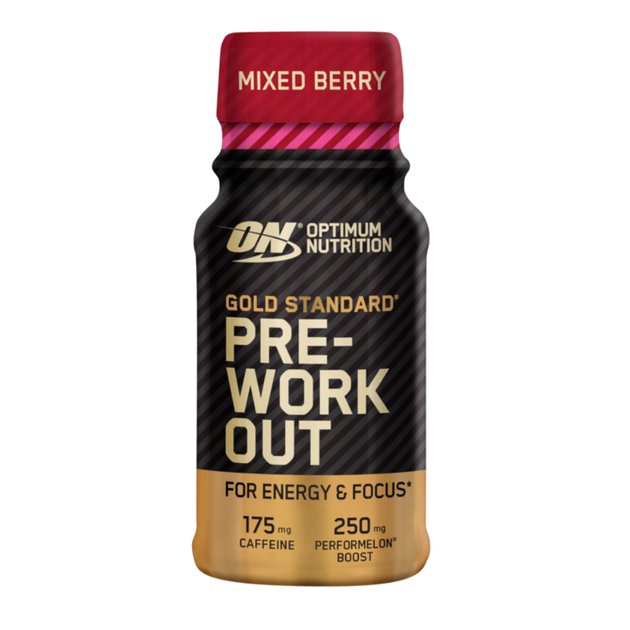
Optimum Nutrition Gold Standard Pre-Workout Shot 60ml Mixed Berries
Strength
Optimum-nutrition
•
Liquid Pre-Workout Shots
•
Berry
€
2
29
€2.29 per serving
• 1 servings
Get it by Thursday, Jun 4
⚡ Pre-Workout
💪 Strength
Add to Basket
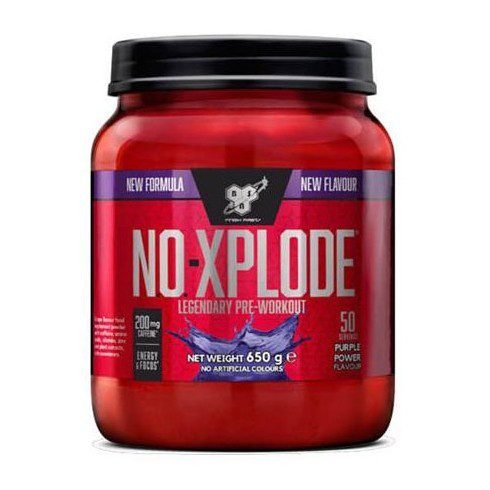
BSN N.O. Xplode 50serv Purple Power – Grape
Strength
BSN
•
Pre-Workout Supplements
•
Berry
€
44
90
€0.90 per serving
• 50 servings
Get it by Thursday, Jun 4
⚡ Pre-Workout
💪 Strength
Only 1 left
Add to Basket
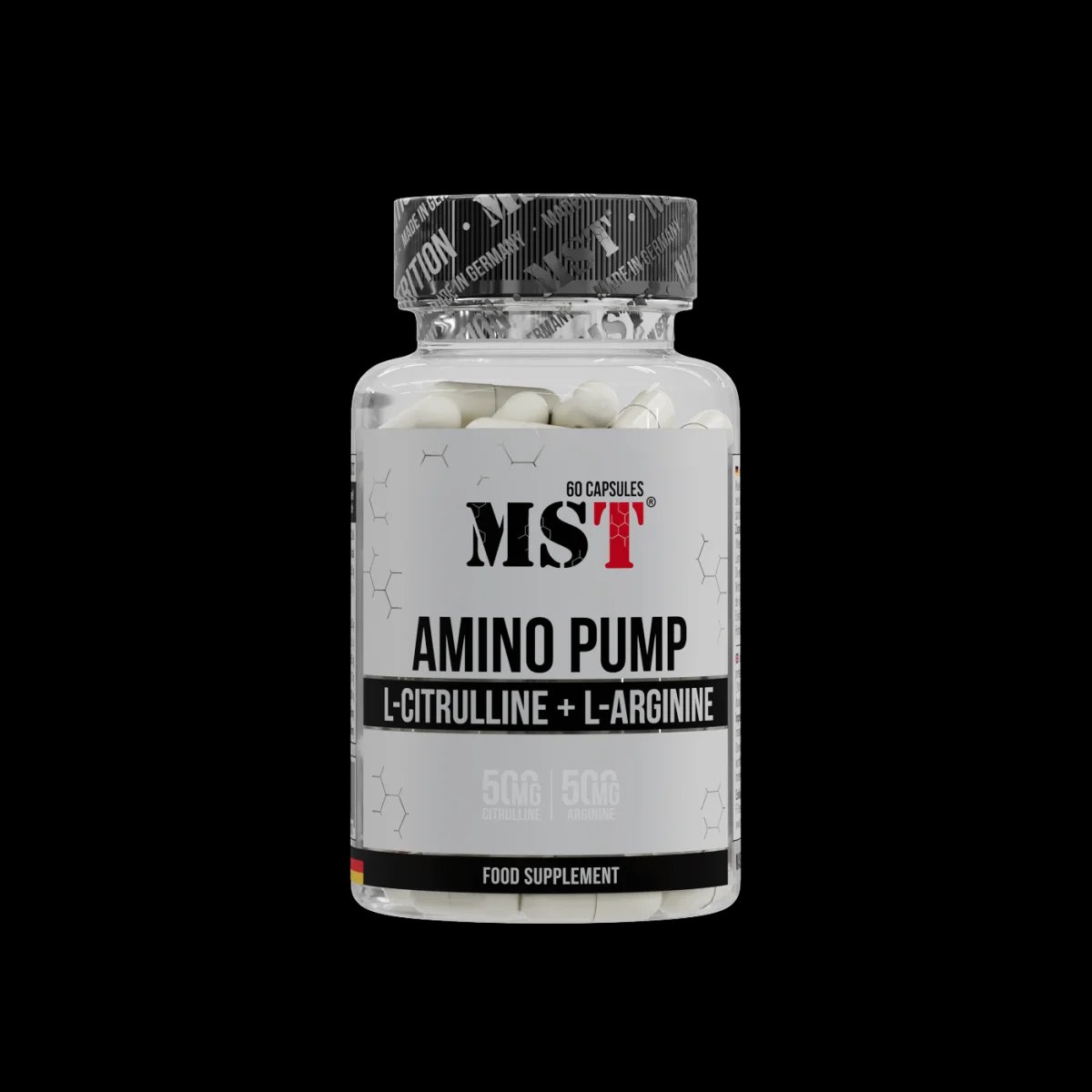
MST Amino Pump L-Citrulline + L-Arginine 60caps
Strength
MST Nutrition®
•
L-Citrulline
€
16
90
€0.28 per serving
• 60 servings
Get it by Thursday, Jun 4
⚡ Pre-Workout
💪 Strength
Only 2 left
Add to Basket
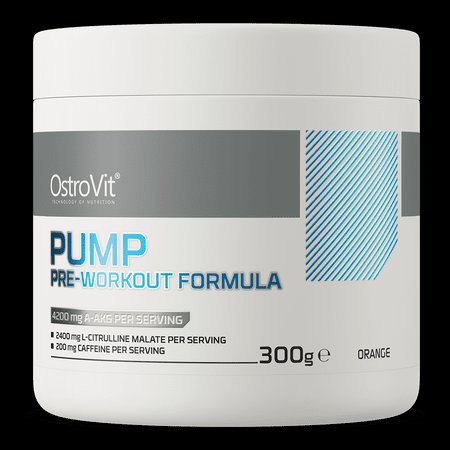
OstroVit Pump Pre-Workout 300g Orange
Strength
OstroVit
•
Pre-Workout Supplements
•
Orange
€
13
90
€0.46 per serving
• 30 servings
Get it by Thursday, Jun 4
⚡ Pre-Workout
💪 Strength
Only 1 left
Add to Basket
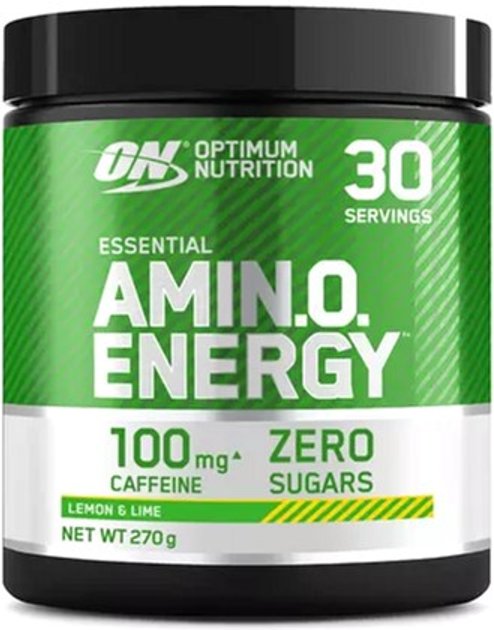
Optimum Nutrition Amino Energy 30 Servings Lemon Lime
Strength
Optimum-nutrition
•
Complex Amino Acids
•
Lemon Lime
€
26
90
€0.90 per serving
• 30 servings
Get it by Thursday, Jun 4
🍬 Sugar Free
💪 Strength
❤️ Wellness
Only 2 left
Add to Basket
VEGAN
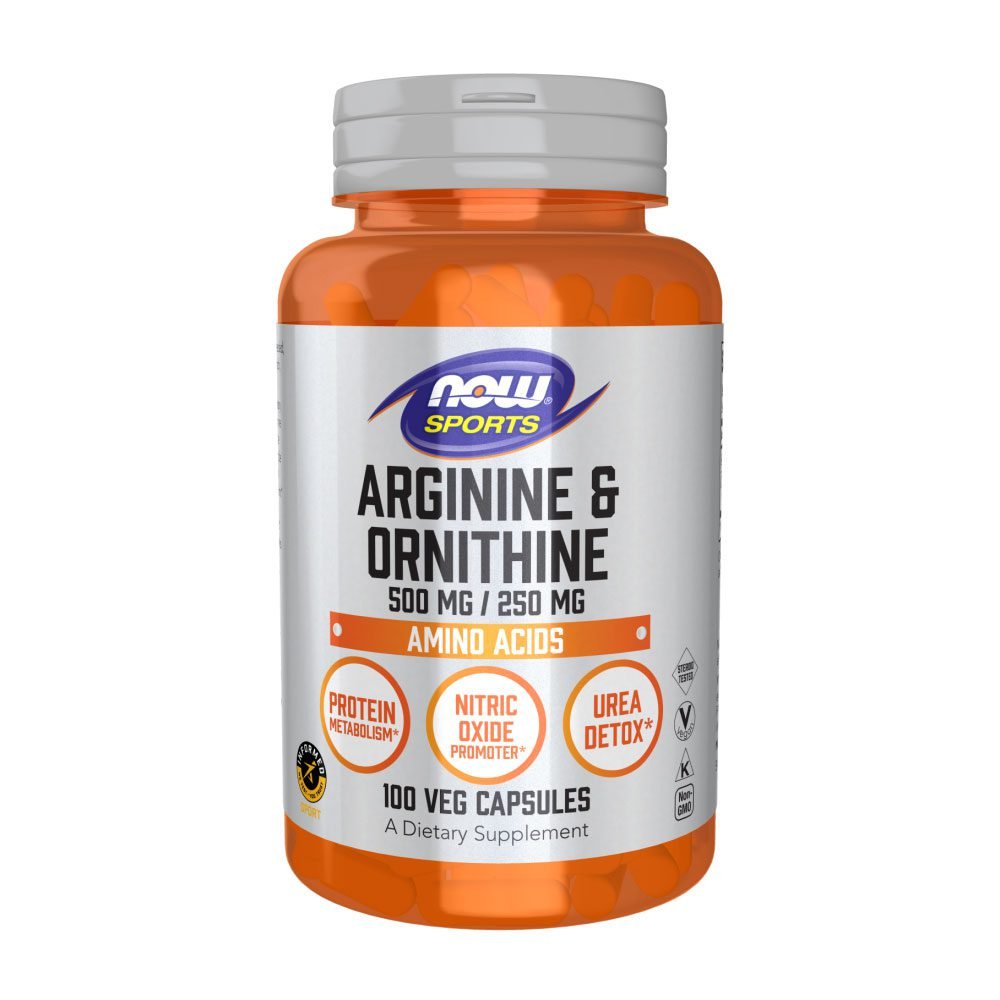
NOW Arginine & Ornithine 100 Veg. Caps
Strength
NOW
•
L-Arginine
€
20
90
€0.21 per serving
• 100 servings
Get it by Thursday, Jun 4
🌱 Vegan
⚡ Pre-Workout
💪 Strength
Add to Basket
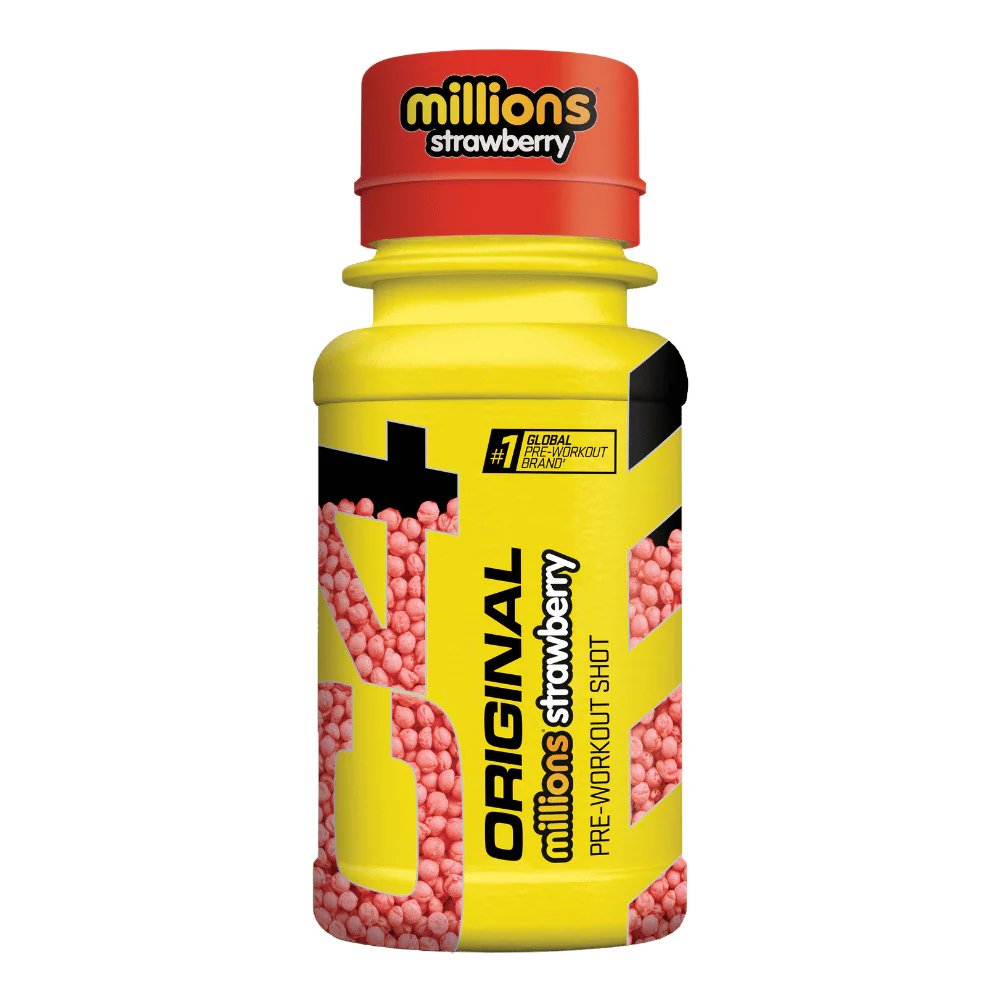
Cellucor C4 Pre-Workout Shot 60ml Strawberry
Cellucor
•
Liquid Pre-Workout Shots
•
Strawberry
€
2
49
Get it by Thursday, Jun 4
Add to Basket
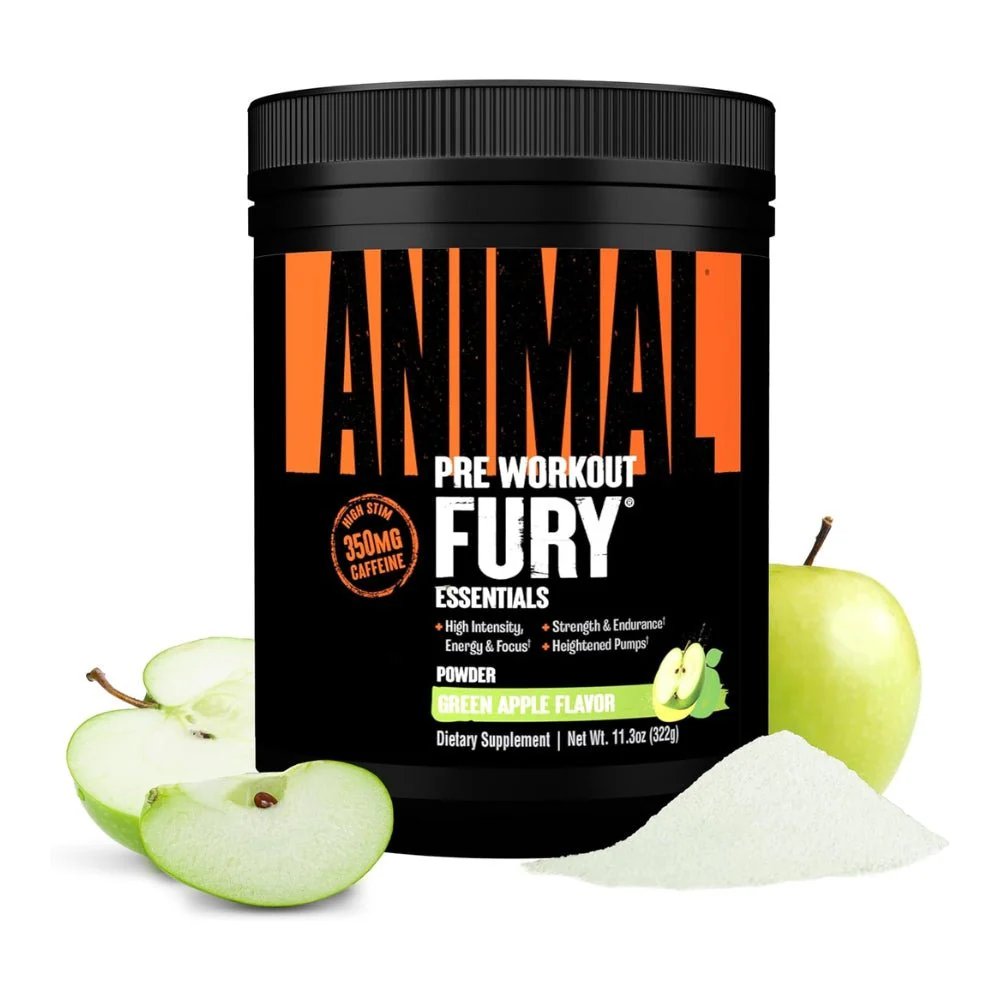
Universal Animal FURY 322 g – Green Apple Flavor
Strength
Universal
•
Pre-Workout Supplements
•
Green Apple
€
45
90
€1.53 per serving
• 30 servings
Get it by Thursday, Jun 4
⚡ Pre-Workout
💪 Strength
Only 2 left
Add to Basket
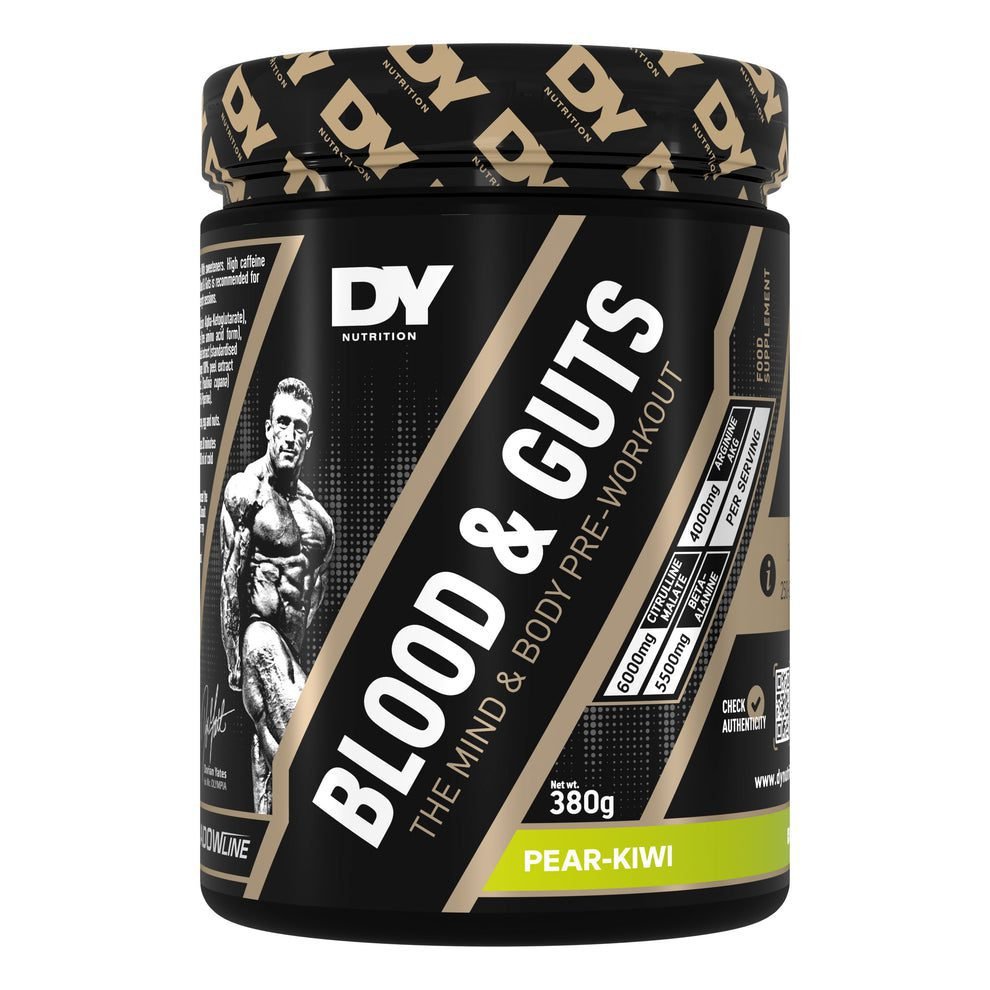
DY Blood & Guts Pre-Workout 380g Pear-Kiwi
Strength
DY Nutrition
•
Pre-Workout Supplements
•
Pear Kiwi
€
29
90
€1.50 per serving
• 20 servings
Get it by Thursday, Jun 4
🍬 Sugar Free
⚡ Pre-Workout
💪 Strength
Only 2 left
Add to Basket
Related Categories
Creatine — Monohydrate & Creatine Powder
Beta-Alanine — Endurance & Carnosine