
Why Zinc Matters on a Plant-Based Diet
Zinc is an essential trace mineral involved in over 300 enzymatic reactions, supporting immune function, protein synthesis, wound healing, DNA repair, and the activity of hormones including testosterone and growth hormone. Most people in developed countries obtain adequate zinc, but those following vegan or vegetarian diets face a structurally higher risk of suboptimal intake.
The reason is not that plants contain no zinc — they do. The issue is bioavailability. Plant foods contain phytates (phytic acid), compounds found in legumes, grains, nuts, and seeds that bind zinc in the gut and reduce absorption. Research has estimated that bioavailability of zinc from plant-only diets is approximately lower than from omnivorous diets — a significant margin when dietary zinc is already modest (Hunt, 2003).
Why Plant-Based Diets May Fall Short
The primary zinc-rich foods are oysters, red meat, and poultry — none of which feature in vegan or vegetarian eating. Plant sources include pumpkin seeds, hemp seeds, legumes (lentils, chickpeas), whole grains, cashews, and tofu, but:
- Phytate content in these same foods reduces zinc absorption.
- Processing and cooking can reduce phytate somewhat but not fully.
- Fortified foods contribute zinc but not consistently enough to close the gap for high-needs individuals.
Older systematic reviews found that vegans had lower serum zinc levels on average compared with omnivores, even when dietary intake appeared similar, because absorption differences are not captured by intake data alone (Foster et al., 2013).
Vegan-Friendly Zinc Sources
The following plant foods provide meaningful zinc per serving and should form the dietary base before considering supplements:
| Food | Zinc per 100 g (approx.) |
|---|---|
| Pumpkin seeds | High |
| Hemp seeds | High |
| Cashew nuts | Moderate |
| Lentils (cooked) | Moderate |
| Chickpeas (cooked) | Moderate |
| Tofu | Moderate |
| Oats | Moderate |
Soaking and sprouting legumes and grains before cooking can reduce phytate content, improving zinc bioavailability — a practical step for those managing intake through diet.
Dose Targets
Follow the serving size printed on any supplement you choose. Those following plant-based diets may benefit from slightly higher intakes to offset reduced bioavailability, but the tolerable upper limit should not be exceeded, as excess zinc can interfere with copper absorption. Consult a healthcare professional if you are unsure about your individual needs.
What to Combine With Zinc
- Avoid combining with iron: both minerals compete for the same intestinal transporters. Spacing iron and zinc supplements by a few hours is preferable.
- Copper: long-term zinc supplementation can deplete copper, so if you supplement zinc daily, include copper-containing foods (nuts, seeds, legumes) or a balanced mineral supplement periodically.
- Vitamin C: some research suggests vitamin C may modestly support zinc absorption from plant sources, though the effect is smaller than for iron.
Choosing a Vegan Zinc Supplement
Not all zinc forms are equal in terms of absorption and tolerability:
- Zinc picolinate: well-absorbed chelate form; generally comfortable on the stomach.
- Zinc bisglycinate (chelate): bound to glycine; good tolerability and absorption.
- Zinc gluconate: widely used; absorption is decent and cost is low.
- Zinc oxide: lowest absorption among common forms; generally less preferred.
For vegans and vegetarians, confirm that the capsule shell is plant-based (vegetable cellulose) rather than gelatin if this is a concern. Most reputable brands now offer vegan-certified options.
At maxfit.ee, the tsink category includes 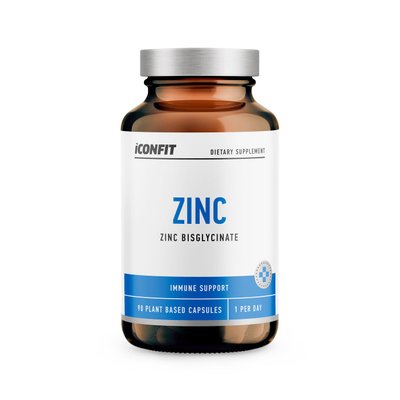 ICONFIT Capsules Zinc N90€9.90 In stock, SELF Zinc 100tabs, NOW Zinc Picolinate€16.90 In stock 50mg 120 veg. caps., MST Zinc Picolinate 100tabs, and OstroVit Triple Zinc 90caps.
FAQ
Are vegans at higher risk of zinc deficiency?
Yes, comparatively. Plant-based eaters must be more deliberate about zinc-rich food choices and may benefit from supplementation, particularly during periods of high physical demand such as intensive training.
Can I get enough zinc from pumpkin seeds alone?
Pumpkin seeds are one of the richest plant sources of zinc, but phytate content limits absorption. They can contribute meaningfully to zinc intake as part of a varied plant-based diet, but relying on a single food source is not a reliable strategy for meeting all zinc needs.
Is zinc supplementation safe for vegans?
Yes, provided doses remain within reasonable ranges. Choose a chelated form for good absorption and gut comfort, and ensure the capsule material is plant-based if you have dietary restrictions.
References
Hunt, J. R. (2003). Bioavailability of iron, zinc, and other trace minerals from vegetarian diets. American Journal of Clinical Nutrition, 78(3 Suppl), 633S-639S.
Foster, M., Chu, A., Petocz, P., & Samman, S. (2013). Effect of vegetarian diets on zinc status: a systematic review and meta-analysis of studies in humans. Journal of the Science of Food and Agriculture, 93(10), 2362-2371. https://pubmed.ncbi.nlm.nih.gov/23595983/
Prakash Sharma, O., Bhat, T. K. (2009). DPPH antioxidant assay revisited. Food Chemistry, 113(4), 1202-1205.



