Why Is Zinc So Important in Sports Nutrition?
Zinc is involved in over 300 enzymatic reactions — more than any other mineral except magnesium (Vallee & Falchuk, 1993). Athletes lose zinc through sweat, and intense training increases overall zinc turnover. Zinc deficiency symptoms — frequent colds, slow wound healing, fatigue — are easy to overlook.
Zinc Forms: A Small Detail with a Big Difference
| Form | Bioavailability | Cost | Notes |
|---|---|---|---|
| Zinc picolinate | ~61% | Moderate | One of the best forms |
| Zinc bisglycinate | ~60% | Higher | Gut-friendly |
| Zinc citrate | ~61% | Moderate | Good everyday choice |
| Zinc glycinate | ~50%+ | Moderate | Good bioavailability |
| Zinc sulphate | ~39% | Low | May cause nausea |
| Zinc oxide | ~30% | Low | Poor absorption |
| Zinc acetate | Good | Low | Ideal for cold lozenges |
Sources: Lönnerdal (2009), Wegmüller et al. (2014)
Top Zinc Supplements in Estonia
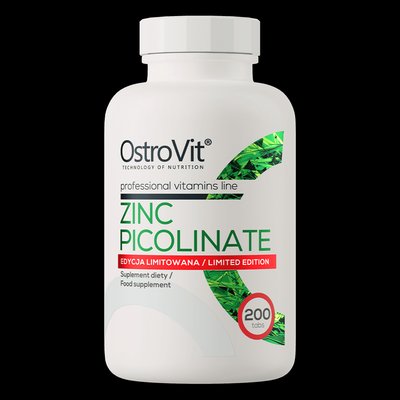 OstroVit Zinc Picolinate€7.90 In stock 150tabs is picolinate-based with excellent bioavailability — the best choice for maximum efficacy. MST Zinc Chelate Bisglycinate 90 Tabs uses bisglycinate, which is particularly gentle on the digestive tract and ideal for those with sensitive stomachs.
BIOTECHUSA Zinc + Chelate 60tab offers affordable chelated zinc for solid daily support. OstroVit Triple Zinc 90к combines three zinc forms (picolinate, citrate, oxide) for a broad-spectrum approach. 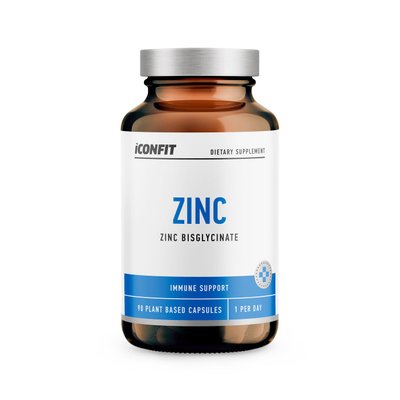 ICONFIT Capsules Zinc N90€9.90 In stock is a trusted Estonian brand option.
What Dosage Is Right?
European recommendations:
- Adult men: 11 mg/day
- Adult women: 8 mg/day
- Pregnant women: 11 mg/day
- Athletes with high sweat loss: 15–25 mg/day
- Immune support in winter: 15–30 mg/day
Important: above 40 mg/day long-term can impair copper (cuprum) absorption and cause copper deficiency. Adding copper (2 mg per 10 mg zinc) is recommended for prolonged high-dose use.
Interactions: What Not to Take with Zinc
| Substance | Effect |
|---|---|
| Iron | Compete for the same receptors — take separately |
| Calcium | High doses reduce zinc absorption |
| Phytic acid (grains, legumes) | Binds zinc — take supplement between meals |
| Cysteine/methionine | Enhance absorption |
| Vitamin B6 | Supports intracellular zinc utilisation |
This is why OstroVit MgZB 90 tabs is a smart combination — magnesium, zinc, and B6 are co-optimised.
Signs of Zinc Deficiency
- Frequent infections
- Slow wound healing
- Hair loss
- Impaired taste and smell
- Acne and skin disorders
- In men: low testosterone
Estonians who eat little red meat and a lot of grain-based foods (which contain zinc-blocking phytic acids) are at greater risk of subclinical zinc deficiency.
How to Take Zinc
Take zinc with food to reduce nausea risk. However, phytate-rich food (bread, grains) can reduce absorption — a compromise is to take with protein-based food (eggs, meat) without large amounts of grains.
Summary: Which Zinc Form to Choose?
- Best bioavailability: picolinate (OstroVit Zinc Picolinate 150tabs) or bisglycinate (MST Zinc Chelate Bisglycinate 90 Tabs)
- Gut-friendly: bisglycinate (BIOTECHUSA Zinc + Chelate 60tab)
- Combined effects: OstroVit Triple Zinc 90к
- Estonian brand: ICONFIT Capsules Zinc N90
Find all zinc products in the zinc category at maxfit.ee.
FAQ
Does zinc help with colds?
Yes — in zinc acetate lozenge form, clinical evidence shows it shortens cold duration by approximately 33% when taken within the first 24 hours of symptoms (Hemilä & Chalker, 2015). The effect in capsule form is weaker.
Does zinc raise testosterone?
Only if your zinc level is low — supplementation then normalises testosterone. If your zinc status is already normal, extra zinc will not push testosterone higher (Prasad et al., 1996).
How long does it take to correct zinc deficiency?
Blood zinc levels typically normalise within 8–12 weeks of regular supplementation. Functional improvements (better immunity, wound healing) are often noticeable within 4–6 weeks.
References
- Vallee, B.L., & Falchuk, K.H. (1993). The biochemical basis of zinc physiology. Physiological Reviews, 73(1), 79–118.
- Lönnerdal, B. (2009). Dietary factors influencing zinc absorption. Journal of Nutrition, 130(5S), 1378S–1383S.
- Wegmüller, R., Tay, F., Zeder, C., et al. (2014). Zinc absorption by young adults from supplemental zinc citrate is comparable with that from zinc gluconate and higher than from zinc oxide. Journal of Nutrition, 144(2), 132–136.
- Prasad, A.S., Mantzoros, C.S., Beck, F.W., et al. (1996). Zinc status and serum testosterone levels of healthy adults. Nutrition, 12(5), 344–348.
- Hemilä, H., & Chalker, E. (2015). The effectiveness of high dose zinc acetate lozenges on various common cold symptoms. BMC Family Practice, 16, 24.