
Why Zinc Safety Matters
Zinc is an essential trace mineral involved in the activity of more than 300 enzymes in the human body. It supports immune function, wound healing, DNA synthesis, and taste perception. Athletes often have higher requirements because zinc is lost through sweat. At the same time, zinc is also one of the minerals most commonly consumed in excess.
Common Side Effects
The most frequent side effects occur in the gastrointestinal tract — nausea, stomach cramps, and diarrhea. These typically arise when zinc is taken on an empty stomach or in large doses. Taking it with food markedly reduces these complaints.
Headache is also occasionally reported with short-term excessive intake.
Less Common But More Serious Risks
Chronic excessive zinc intake can interfere with copper absorption. Copper deficiency in turn may lead to anaemia and neurological problems. Clinical reviews of zinc toxicology confirm that chronic intakes above recommended levels represent the primary risk (Fosmire, 1990). This is why staying within recommended limits matters particularly for long-term users.
Upper Safe Limits
Regulatory bodies have established tolerable upper intake levels for zinc; for adults these generally fall in the range of 25–40 mg per day. Many quality zinc supplements contain 15–25 mg per serving, which sits comfortably within this range when dietary intake is also considered.
Drug and Nutrient Interactions
Zinc reduces the absorption of certain antibiotics (quinolones, tetracyclines) and some rheumatoid arthritis medications. If you take these drugs, leave at least a 2-hour gap between them and your zinc supplement.
Zinc is a key regulator of immune function (Prasad, 2008), but it competes with copper. If you supplement zinc long-term, consider also supplementing copper.
Iron supplements are best taken separately from zinc, as they can interfere with each other's absorption.
Who Should Be Cautious?
- People with chronic kidney disease — zinc accumulates more easily
- Pregnant women at high doses — consult a healthcare provider
- Those who already eat plenty of zinc-rich foods (meat, shellfish, seeds) — additional supplementation can quickly approach upper limits
Product Quality and Contamination Risk
Lower-cost zinc supplements may contain heavy metal residues. Choose products tested by an independent laboratory. Zinc picolinate and bisglycinate are well-absorbed and generally better tolerated than zinc oxide.
At maxfit.ee you will find ICONFIT Capsules Zinc N90 and OstroVit Triple Zinc 90caps — popular options in our zinc category. Also available is 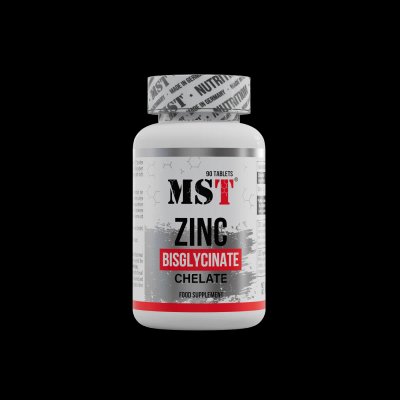 MST Zinc Chelate Bisglycinate€12.90 In stock 90tabs, which uses a highly bioavailable chelated form.
FAQ
Should zinc be taken with or without food?
Taking it with food is recommended — it significantly reduces gastrointestinal irritation.
How long can I take zinc supplements?
Short courses of 4–12 weeks are generally safe at recommended doses. For longer use, take periodic breaks and reassess the need.
What is the difference between zinc oxide, picolinate, and bisglycinate?
Bisglycinate and picolinate are chelated forms with good absorption and less stomach irritation. Oxide is absorbed less efficiently. The right choice depends on personal tolerance and budget.
References
Fosmire, G. J. (1990). Zinc toxicity. American Journal of Clinical Nutrition, 51(2), 225-227. https://pubmed.ncbi.nlm.nih.gov/2407097/
Prasad, A. S. (2008). Zinc in human health: effect of zinc on immune cells. Molecular Medicine, 14(5-6), 353-357. https://pubmed.ncbi.nlm.nih.gov/18385818/



