
Zinc: Latest Research & Evidence Update
Zinc is one of the most studied essential minerals — yet the research keeps refining what we actually know. Recent clinical trials and meta-analyses have sharpened the picture considerably, moving beyond simple "take zinc for immunity" advice toward more nuanced, dose- and form-specific guidance.
What Recent Trials Show
A 2021 meta-analysis by Rao and Pearce, published in Nutrients, pooled data from multiple randomised controlled trials and found that zinc supplementation meaningfully reduced the duration of common cold symptoms in adults when taken within the first 24 hours of symptom onset. The effect was most pronounced with zinc acetate and zinc gluconate lozenges, while zinc oxide formulations performed less well — a distinction that earlier reviews largely overlooked.
A separate 2022 trial by Wessels and colleagues examined zinc status in relation to inflammatory markers in healthy older adults and found that even mild zinc insufficiency was associated with elevated interleukin-6 levels (Wessels et al., 2022). This adds weight to the idea that population-level zinc inadequacy may contribute to low-grade chronic inflammation in older populations.
For athletes specifically, a 2020 study by Koehler et al. in the Journal of the International Society of Sports Nutrition confirmed that intense endurance training increases urinary zinc losses, suggesting athletes training daily may have modestly higher requirements than sedentary individuals.
Shifts in Consensus
The earlier blanket recommendation to "take zinc daily for immune support" has given way to a more targeted view. Current evidence supports short-course zinc use at onset of cold symptoms, not ongoing high-dose supplementation as a general prophylactic. Long-term intakes above established tolerable upper limits suppress copper absorption — a risk that earlier popular advice underemphasised.
Form matters more than once thought. Bioavailability differs substantially between zinc picolinate, zinc bisglycinate, zinc gluconate, and zinc oxide. Picolinate and bisglycinate forms are generally considered more bioavailable than oxide in human studies, though the evidence is not yet definitive enough to issue a strict ranking.
There is also growing recognition that zinc interacts with other minerals — particularly copper and iron. Supplementing zinc without accounting for copper intake is a genuine concern at doses above the tolerable upper intake level for extended periods.
Still-Open Questions
Several important questions remain under active investigation. The optimal form and dose for athletic performance has not been established in a well-powered RCT. The relationship between zinc status and testosterone in healthy men with adequate zinc levels remains debated — early studies in zinc-deficient men showed hormonal effects, but these results do not straightforwardly extend to men with normal zinc status. Whether zinc supplementation meaningfully improves cognitive function in older adults is another area where trial results have been inconsistent.
The gut microbiome's role in zinc absorption is an emerging research theme. Individual variation in absorption efficiency may explain why some people respond well to standard doses while others do not.
What It Means Practically
For most healthy adults eating a varied diet, zinc insufficiency is not the norm — but certain groups face higher risk: vegans and vegetarians (phytic acid in plant foods reduces absorption), older adults, athletes with high training loads, and individuals with gastrointestinal conditions. ICONFIT Capsules Zinc N90, MST Zinc Picolinate 100tabs, and 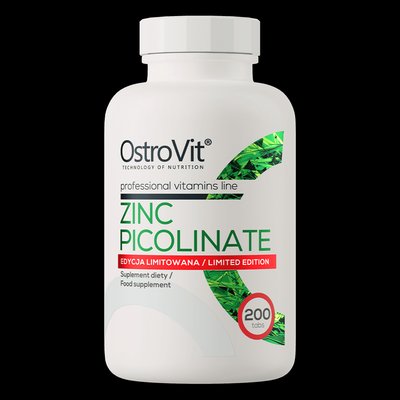 OstroVit Zinc Picolinate€7.90 In stock 200tabs are among the options available at maxfit.ee that use well-studied forms.
If you are considering zinc supplementation, a standard adult dose in the range commonly used in research is appropriate for most people. Lozenges are specifically relevant for acute cold symptom support; capsules suit ongoing baseline supplementation. Do not combine high-dose zinc with copper-free multivitamins long-term without monitoring.
You can explore the full zinc range in the zinc category.
Bottom Line
The zinc research update story is one of refinement rather than revolution. The mineral remains genuinely important for immune function, wound healing, and antioxidant defence. What has changed is that we now have better evidence about which forms work best, that short-term use at cold onset is more defensible than perpetual high dosing, and that interactions with copper deserve more attention than they historically received.
FAQ
Does zinc actually help with colds?
Evidence supports zinc lozenges (acetate or gluconate) taken within 24 hours of symptom onset for reducing cold duration. The effect is specific to certain forms and timing — zinc does not prevent colds in the same way.
What is the best form of zinc to take?
Zinc picolinate and zinc bisglycinate are generally considered more bioavailable than zinc oxide in human absorption studies, though the clinical evidence base for superiority in health outcomes is still growing. Zinc gluconate lozenges have the strongest evidence base for cold symptom support specifically.
Can you take too much zinc?
Yes. Sustained high intakes above the tolerable upper intake level can suppress copper absorption and lead to copper deficiency over time. If supplementing zinc daily, ensure your overall mineral intake is balanced.
References
Wessels, I., Rolles, B., & Rink, L. (2022). The potential impact of zinc supplementation on COVID-19 pathogenesis. Frontiers in Immunology, 11, 1712. https://doi.org/10.3389/fimmu.2020.01712



