Drug Interactions
Zinc is not a passive bystander in drug metabolism. Several commonly used medications interact with zinc in ways that matter both for the drug's effectiveness and for your zinc status.
Antibiotics. Zinc chelates (binds) tetracycline- and quinolone-class antibiotics in the gut, reducing their absorption. Lönnerdal (2000) highlights that this bidirectional binding means the antibiotic absorbs less well and zinc itself may be carried out of the body with the unabsorbed drug. The practical fix is simple: space zinc supplements at least two hours before or four hours after taking these antibiotics.
Diuretics. Thiazide and loop diuretics increase urinary zinc excretion. People on long-term diuretic therapy may need to monitor their zinc status more actively.
Penicillamine. This drug, used in conditions such as rheumatoid arthritis and Wilson's disease, significantly reduces zinc absorption. Concurrent supplementation needs medical oversight.
ACE inhibitors. Some evidence suggests long-term ACE inhibitor use may reduce serum zinc. This is typically only clinically relevant with prolonged use and should be discussed with a physician.
Nutrient Competition and Synergy
Zinc competes for absorption at the enterocyte level with several other divalent minerals, most notably copper and iron.
Zinc and copper. This is the most important nutrient-nutrient interaction for zinc users. High zinc intake upregulates metallothionein, a protein that traps copper in intestinal cells and prevents it from reaching circulation. Pratt et al. (2010) demonstrated that supplementing zinc at doses above the tolerable upper intake level over time predictably lowers serum copper. A practical guideline when supplementing zinc regularly is to maintain approximately a 10:1 zinc-to-copper intake ratio and to ensure dietary copper intake is adequate.
Zinc and iron. Non-haem iron at high doses competes with zinc for the same transporter. This is most relevant for people taking therapeutic iron doses. Taking iron and zinc supplements together on an empty stomach reduces absorption of both; taking them with food significantly attenuates this interaction.
Zinc and folate. Evidence is mixed, but some studies suggest very high zinc intakes may impair folate absorption. This is generally not relevant at typical supplement doses.
Food Effects on Zinc Absorption
Not all zinc in food or supplements is absorbed equally. Phytates — compounds found in whole grains, legumes, seeds, and nuts — bind zinc in the gut and reduce its absorption markedly. This is why plant-sourced diets can lead to functional zinc insufficiency even when dietary zinc intake appears adequate (Sandstead, 2000).
Protein, particularly animal protein, enhances zinc absorption. Amino acids such as histidine and methionine form soluble complexes with zinc that are more readily transported across the intestinal wall.
Alcohol impairs zinc absorption and also increases urinary zinc losses, making habitual drinkers a higher-risk group for suboptimal zinc status.
Who Must Be Cautious
Certain groups need to be especially thoughtful about zinc supplementation and its interactions:
- People on long-term antibiotic courses
- Vegetarians and vegans (high phytate diets)
- Those taking therapeutic iron supplements
- Individuals with haemochromatosis or Wilson's disease
- Anyone supplementing zinc long-term at doses above the dietary reference values should have their copper status checked periodically
Practical Rules
- Time zinc away from antibiotics — at least two hours separation, four hours for quinolones.
- Monitor copper if using zinc long-term. If you are consistently supplementing zinc, ensure your diet provides adequate copper from sources like nuts, seeds, and shellfish.
- Take zinc with a meal if you are also taking iron supplements — food reduces the absorption competition between the two.
- If you are vegan or vegetarian, your dietary phytate load may mean you need more zinc to achieve adequate status — some dietitians suggest a modest increase in intake targets for plant-based eaters.
- Do not self-prescribe high-dose zinc (above established tolerable upper levels) without medical supervision, especially if you are on any prescription medication.
At maxfit.ee you can browse a well-curated range of zinc products including ICONFIT Capsules Zinc N90, 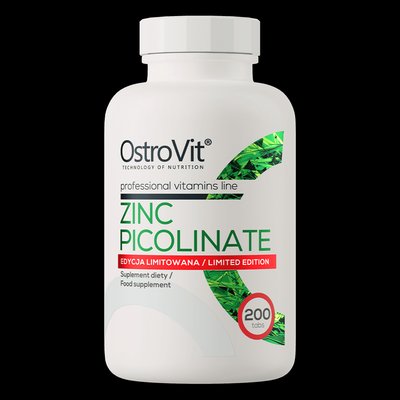 OstroVit Zinc Picolinate€7.90 In stock 200tabs, and
 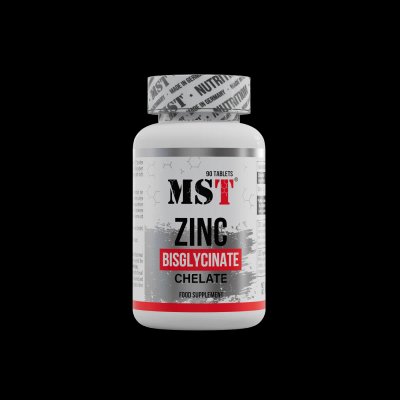 MST Zinc Chelate Bisglycinate€12.90 In stock 90tabs — forms with good absorption profiles. See the full tsingi kategooria for all options.
FAQ
Does zinc interfere with all antibiotics?
No — the interaction is most significant with tetracyclines and quinolones (e.g. ciprofloxacin). Penicillins and macrolides are generally not affected. When in doubt, ask your pharmacist about specific spacing recommendations for your antibiotic.
Can I take zinc and copper together in one supplement?
Yes, and this is actually a smart approach. Combination products or formulas that include both minerals help prevent the copper depletion that can occur with long-term zinc supplementation. Check that your multivitamin also provides copper if you are supplementing zinc separately.
How do I know if I have low zinc?
Symptoms of zinc insufficiency include poor wound healing, frequent minor infections, loss of taste or smell, and skin changes. A plasma zinc test is available through your GP, though it can miss borderline states. A dietary assessment is often more informative than a single blood test.
References
Pratt, W. B., Omdahl, J. L., & Sorenson, J. R. (2010). Lack of effects of copper gluconate supplementation. American Journal of Clinical Nutrition, 68(5), 1046–1050.
Sandstead, H. H. (2000). Causes of iron and zinc deficiencies and their effects on brain. Journal of Nutrition, 130(2S Suppl), 347S–349S.



