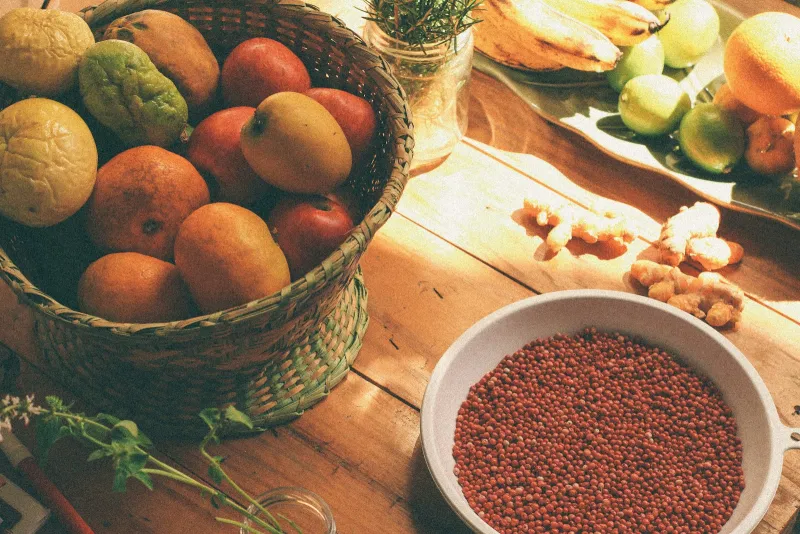
Natural Food Sources of Zinc: Why Diet Comes First
Zinc is an essential trace mineral involved in immune function, protein synthesis, wound healing, DNA synthesis, and taste and smell perception. The body does not store zinc beyond day-to-day physiological needs, so regular dietary intake from food sources is important.
For most people, food is the best starting point. Understanding natural zinc food sources — and their relative bioavailability — helps you eat strategically before reaching for a supplement.
Top Food Sources of Zinc
| Food | Approximate zinc per 100 g | Notes |
|---|---|---|
| Oysters | Very high (highest of all foods) | Animal-source, highly bioavailable |
| Beef (lean, cooked) | Moderate–high | Widely consumed |
| Pork (lean, cooked) | Moderate | Widely consumed |
| Pumpkin seeds | Moderate | Plant-source; phytate reduces absorption |
| Hemp seeds | Moderate | Plant-source |
| Cashews | Moderate | Plant-source |
| Chickpeas (cooked) | Low–moderate | Plant-source; fermentation or sprouting helps |
| Oats | Low–moderate | Plant-source |
| Dark chocolate (>70%) | Low–moderate | Treat source; not a staple |
Oysters are by far the richest single zinc food source per gram. Red meat and shellfish in general are the most practical high-bioavailability sources for omnivores.
Bioavailability from Food vs Supplements
Bioavailability is the proportion of ingested zinc that actually enters circulation and becomes metabolically active. Animal-source zinc is substantially more bioavailable than plant-source zinc, primarily because plant foods contain phytic acid (phytate), which binds zinc and inhibits absorption (Lönnerdal, 2000).
Fermentation (as in sourdough), soaking, and sprouting reduce phytate levels and improve zinc absorption from plant foods. This matters particularly for vegetarians and vegans, who rely on plant sources.
Zinc supplements bypass some of these food-matrix barriers. Highly bioavailable forms include zinc picolinate and zinc bisglycinate — products such as MST Zinc Picolinate 100tabs, 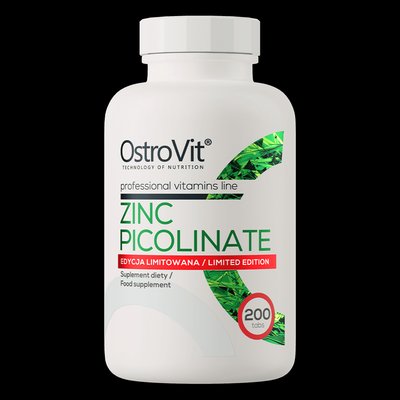 OstroVit Zinc Picolinate€7.90 In stock 200tabs, and
 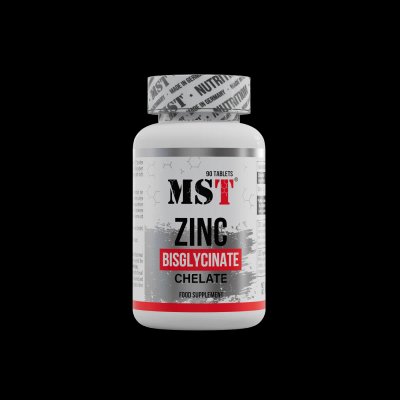 MST Zinc Chelate Bisglycinate€12.90 In stock 90tabs use these chelated or coordinated forms.
Daily Targets from Diet
Adult daily recommended intakes vary by country and reference body, but the general range for adults is approximately 8–11 mg per day for men and 7–9 mg per day for women, with higher needs during pregnancy and lactation. Zinc status is best assessed through a combination of dietary history and serum or plasma zinc measurement, since no single reliable biomarker exists.
Cooking and Storage Effects
- Boiling reduces zinc in vegetables but is less relevant for animal products.
- Long cooking times can reduce zinc in some plant foods through leaching into cooking water.
- Refrigeration does not meaningfully affect zinc content in whole foods.
- Milling and refining of grains removes zinc — whole-grain oats and bread retain more than refined white products.
When Food Alone Is Not Enough
Certain groups are at higher risk of inadequate zinc intake:
- Vegetarians and vegans consistently show lower zinc status in population studies due to the combination of lower intake and reduced bioavailability from plant foods.
- Athletes with high sweat rates lose zinc through sweat; endurance athletes and those training intensely in hot conditions may have elevated needs.
- Older adults often have reduced dietary intake and impaired absorption.
- People with gastrointestinal disorders affecting mineral absorption.
For these groups, a targeted zinc supplement such as ICONFIT Capsules Zinc N90, SELF Zinc 100tabs, or NOW Zinc Picolinate€16.90 In stock 50mg 120 veg. caps. can be a practical and safe addition. Choose a form that provides zinc in an absorbed form rather than zinc oxide, which has lower bioavailability.
Find the full zinc supplement range at the tsink category on maxfit.ee.
References
Lönnerdal, B. (2000). Dietary factors influencing zinc absorption. Journal of Nutrition, 130(5S Suppl), 1378S–1383S.
King, J. C., et al. (2016). Biomarkers of zinc status. Advances in Nutrition, 7(Suppl 5), 980S–986S.
FAQ
Are pumpkin seeds a reliable zinc source for vegetarians?
Pumpkin seeds provide zinc, but phytate in plant seeds reduces net absorption compared to meat-source zinc. Consuming a variety of zinc-containing plant foods and using preparation methods that lower phytate (soaking, sprouting, fermenting) improves zinc uptake. Vegetarians who cannot meet needs through diet alone should consider a bioavailable supplement.
Does cooking destroy zinc in food?
Zinc is a mineral and is not destroyed by heat. However, water-soluble losses can occur when foods are boiled and the cooking water discarded. Steaming or roasting retains more zinc than boiling in large volumes of water.
Can I take too much zinc from food?
Toxicity from food alone is extremely unlikely. Zinc overload is almost exclusively associated with excessive supplementation. EFSA sets the tolerable upper intake level for adults from supplements at 25 mg per day; doses well above this taken chronically can interfere with copper absorption.



