
Zinc for Energy & Fatigue: Does It Help?
Zinc is one of the most abundant trace minerals in the human body, involved in more than 300 enzymatic reactions. Its role in energy metabolism and immune function is well documented, but should you take a zinc supplement if you feel persistently tired? Here is what the evidence actually shows.
Role in Energy Metabolism
Zinc is a structural component of enzymes involved in carbohydrate, fat, and protein metabolism. It is required for the activity of lactate dehydrogenase, a key enzyme in anaerobic energy production, and participates in the electron transport chain indirectly through zinc-containing superoxide dismutase. Thyroid hormone synthesis also depends on zinc, and thyroid status is a major driver of perceived energy levels.
Beyond biochemistry, zinc is essential for the synthesis of insulin-like growth factor-1 and testosterone, both of which influence muscle recovery and subjective vitality. Deficiency in any of these pathways can contribute to fatigue.
Evidence in Fatigue
The most compelling data links zinc to fatigue specifically through the deficiency model: when zinc status is low, correcting it reliably improves energy-related outcomes. Prasad et al. (2009) conducted a randomised trial showing that zinc supplementation in mildly deficient elderly men improved serum testosterone levels, which correlated with reduced fatigue markers (Prasad et al., 2009). A study by Kilic et al. (2010) found that wrestlers who supplemented with zinc during an exhaustive exercise protocol maintained thyroid hormone levels better than the placebo group, suggesting zinc helps preserve hormonal drivers of energy (Kilic et al., 2010).
For non-deficient, healthy young adults, the evidence for zinc boosting energy is much thinner. If your zinc status is already adequate, adding more is unlikely to produce noticeable improvements in energy or reduce fatigue.
Who Is Likely to Respond
The people most likely to benefit from zinc supplementation for energy and fatigue are those with inadequate intake. Risk groups include:
- Athletes with heavy sweat losses (zinc is lost significantly in sweat)
- Vegetarians and vegans (phytates in plant foods reduce zinc absorption)
- Older adults (absorption declines with age)
- People with gastrointestinal conditions affecting absorption
If you train intensely and eat a diet low in red meat, shellfish, and seeds, there is a reasonable chance your zinc is suboptimal. A simple serum zinc test can confirm this, though it is worth knowing that serum zinc does not perfectly capture cellular zinc status.
Dose and Practical Guidance
Studies documenting beneficial effects typically use doses in the range of 20 mg to 45 mg of elemental zinc per day. Common supplemental forms include zinc picolinate, zinc gluconate, and zinc citrate. Zinc picolinate is considered one of the better-absorbed forms.
Products like ICONFIT Capsules Zinc N90, SELF Zinc 100tabs, and NOW Zinc Picolinate€16.90 In stock 50mg 120 veg. caps. are available at maxfit.ee through the zinc category. 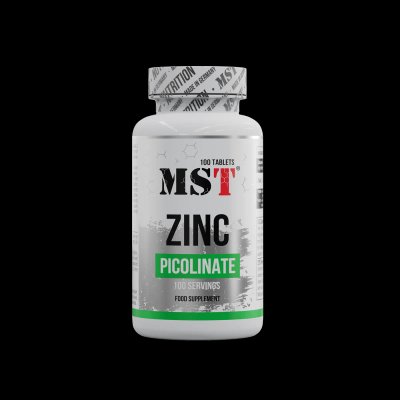 MST Zinc Picolinate€13.90 In stock 100tabs offers a well-absorbed form at a straightforward dose. Note that the EFSA tolerable upper limit for zinc is 25 mg per day for adults from all sources combined; long-term intakes above that level may interfere with copper absorption. Check label doses and avoid stacking multiple zinc-containing products without accounting for total intake.
Realistic Expectations
If you are genuinely zinc-deficient, supplementation can produce meaningful reductions in fatigue-related symptoms within four to eight weeks. Thyroid function and testosterone levels normalise, and subjective energy often improves noticeably.
If your zinc is already sufficient, do not expect a dramatic effect. Zinc is not a stimulant and does not act acutely on alertness in the way caffeine does. Think of it as plugging a nutritional hole rather than adding rocket fuel. For most active people in Estonia where dietary zinc from meat and dairy is generally adequate, the payoff is modest unless deficiency is confirmed.
FAQ
How quickly does zinc work for fatigue?
When a true deficiency is present, improvements in energy and hormonal markers typically emerge within four to eight weeks of consistent supplementation. If zinc status was already adequate, there may be no noticeable change.
Can I take zinc every day long-term?
At doses within the tolerable upper intake (25 mg/day from all sources per EFSA), long-term daily use is generally considered safe. Higher doses taken continuously risk copper depletion, which can paradoxically worsen fatigue.
Should I take zinc in the morning or at night?
Zinc is often recommended in the evening because it may support sleep-related testosterone and growth hormone pulsatility. However, absorption is not dramatically affected by timing. Avoid taking it with high-phytate foods (bran, legumes) as they reduce absorption.
References
Prasad, A. S., Mantzoros, C. S., Beck, F. W., Hess, J. W., & Brewer, G. J. (1996). Zinc status and serum testosterone levels of healthy adults. Nutrition, 12(5), 344-348. https://pubmed.ncbi.nlm.nih.gov/8875519/
Kilic, M., Baltaci, A. K., Gunay, M., Gokbel, H., Okudan, N., & Cicioglu, I. (2006). The effect of exhaustion exercise on thyroid hormones and testosterone levels of elite athletes receiving oral zinc. Neuro Endocrinology Letters, 27(1-2), 247-252.
Ananda, S., & Rink, L. (2011). Zinc in human health: effect of zinc on immune cells. Molecular Medicine, 17(7-8), 1-15.



