
Zinc Benefits: Evidence-Backed Effects
Zinc is an essential trace mineral involved in more than 300 enzymatic reactions in the human body. Its benefits range from immune defence to hormone production, but marketing often overstates what zinc supplementation can deliver in well-nourished individuals. This guide separates the well-supported effects from the speculation.
Primary Evidenced Benefits
Immune function: Zinc is required for the development and activation of T lymphocytes and natural killer cells. Deficiency impairs both innate and adaptive immunity. A Cochrane review by Singh and Das (2013) found that zinc lozenges or syrup taken within 24 hours of cold symptom onset reduced the duration of the common cold. The evidence applies primarily to zinc acetate and zinc gluconate at doses above 75 mg/day for acute cold treatment — not to standard supplemental doses for general immune maintenance.
Wound healing and tissue repair: Zinc plays a structural role in collagen synthesis and is required for cell proliferation. Deficient individuals show impaired wound healing; correcting deficiency with supplementation does restore healing rates. In zinc-replete individuals, additional supplementation does not appear to accelerate wound healing beyond baseline.
Testosterone and reproductive health: Zinc is a cofactor in testosterone synthesis and spermatogenesis. A study by Prasad et al. (2009) found that zinc supplementation in mildly zinc-deficient men significantly increased serum testosterone levels. However, this effect is specific to deficient individuals — healthy men with normal zinc status do not see meaningful testosterone increases from zinc supplementation.
Taste and smell: Severe zinc deficiency causes anosmia (loss of smell) and dysgeusia (altered taste). This finding led to interest in zinc for COVID-19 anosmia, but robust clinical trial evidence for zinc in post-COVID olfactory recovery remains limited.
Secondary and Emerging Effects
Inflammation and antioxidant activity: Zinc has antioxidant properties and may modulate inflammatory signalling via NF-kB pathways. Studies in older adults have found associations between low zinc status and higher inflammatory markers.
Skin and acne: Zinc has been studied as a treatment for acne vulgaris. A meta-analysis by Cervantes et al. (2018) found zinc was less effective than antibiotic treatments but statistically superior to placebo, with anti-inflammatory and possibly anti-sebaceous gland activity.
Cognitive function: Emerging research suggests zinc is involved in synaptic function and memory formation. However, intervention trials in cognitively healthy adults are limited and findings are inconsistent.
Where Evidence Is Weak
- Athletic performance in zinc-replete athletes: Unless you are deficient, zinc supplementation is unlikely to improve strength, endurance, or body composition.
- Hair loss: Zinc is sometimes promoted for hair regrowth. While deficiency causes hair loss and correction helps, supplementation in people with normal zinc status shows no consistent benefit for androgenic or telogen effluvium hair loss.
- Cancer prevention: Epidemiological associations exist, but causality is unproven and supplementation trials do not demonstrate a protective effect.
Who Gains Most from Zinc Supplementation?
- Vegetarians and vegans: Plant foods contain phytates that reduce zinc absorption. Plant-based eaters consistently have lower zinc bioavailability from diet.
- Intensive exercisers: Zinc is lost in sweat, and intense training increases zinc excretion. Athletes in heavy training may have marginal zinc status.
- Older adults: Zinc absorption tends to decrease with age, and intake often drops due to reduced food variety.
- Pregnant and breastfeeding women: Requirements increase during these periods.
- People with gut malabsorption conditions: Crohn's disease, inflammatory bowel disease, and short bowel syndrome all impair zinc absorption.
Realistic Expectations
If you are zinc-deficient, supplementation can deliver meaningful benefits across immunity, wound healing, and hormone function. If you are zinc-replete, the benefits are marginal at best. The key is honest self-assessment of risk factors — diet quality, exercise volume, and age.
At maxfit.ee you will find quality zinc supplements such as ICONFIT Capsules Zinc N90, SELF Zinc 100tabs, OstroVit Triple Zinc 90caps, and 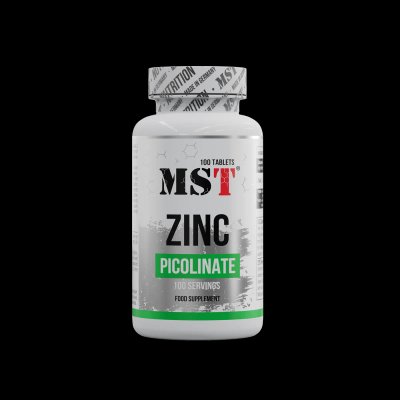 MST Zinc Picolinate€13.90 In stock 100tabs in the tsink category.
FAQ
What is the best form of zinc supplement?
Zinc picolinate, zinc gluconate, and zinc citrate are generally better absorbed than zinc oxide. Zinc picolinate in particular has shown higher absorption in comparative studies. Products labelled as chelated zinc or zinc bisglycinate also have good bioavailability.
Can you take too much zinc?
Yes. Chronic high-dose zinc intake (above 40 mg/day over time) can interfere with copper absorption, leading to copper deficiency and associated neurological effects. Stick to recommended doses unless a healthcare provider advises otherwise.
Does zinc help with testosterone levels?
Only if you are zinc-deficient. Prasad et al. (2009) confirmed this effect in deficient men. For men with adequate zinc status, supplementation does not meaningfully raise testosterone.
References
Singh, M., & Das, R. R. (2013). Zinc for the common cold. Cochrane Database of Systematic Reviews, (6), CD001364.
Prasad, A. S., Mantzoros, C. S., Beck, F. W., Hess, J. W., & Brewer, G. J. (2009). Zinc status and serum testosterone levels of healthy adults. Nutrition, 12(5), 344-348.
Cervantes, J., Eber, A. E., Perper, M., Nascimento, V. M., Nouri, K., & Frankel, A. S. (2018). The role of zinc in the treatment of acne: a review of the evidence. Dermatologic Therapy, 31(1), e12576.



