Zinc for Beginners: A Complete Guide
Zinc is one of the most versatile and important minerals in the human body, yet it receives far less attention than vitamins like C or D. If you are new to supplements and wondering whether zinc belongs in your routine, this guide covers everything you need to know — what it does, how to start, what to realistically expect, and which mistakes to avoid.
What Zinc Does
Zinc is an essential cofactor in hundreds of enzymatic reactions. Its most relevant roles for active people include:
- Immune function: Zinc is required for the development and function of immune cells. A meta-analysis found that zinc supplementation reduced the duration of the common cold (Hemila, 2011).
- Testosterone and hormonal health: Zinc is necessary for testosterone synthesis. In zinc-deficient men, supplementation has been shown to raise testosterone levels (Prasad et al., 1996).
- Protein synthesis and muscle repair: Zinc supports the cellular machinery involved in building and repairing muscle tissue.
- Wound healing, taste, and smell: Also dependent on adequate zinc status.
How to Start
For most healthy adults, a modest daily dose from a quality supplement is a sensible starting point. Zinc picolinate and zinc bisglycinate are well-absorbed forms with good tolerability. Zinc gluconate and zinc citrate are also good options.
Take zinc with food, not on an empty stomach — zinc on an empty stomach commonly causes nausea. Avoid taking it at the same time as calcium supplements or high-calcium foods, since calcium can reduce zinc absorption.
Avoid mega-dose zinc. Chronically high zinc intake can interfere with copper absorption, leading to copper deficiency over time. Sticking to standard supplement amounts is the right move for long-term use.
What to Expect and When
If you were deficient in zinc, you may notice improvements in immune function, energy, and recovery over several weeks. Zinc does not produce acute, session-by-session effects the way caffeine does. Changes are gradual and cumulative.
If your zinc status was already adequate, supplementation may not produce noticeably dramatic changes — but it provides a reliable nutritional safety net, which is particularly useful during periods of high training stress, illness, or calorie restriction.
Common Mistakes
- Taking it on an empty stomach: Almost always causes nausea. Take with a meal.
- Taking too much: More is not better with zinc. Doses well above the reference intake are not more effective for most people and carry the copper-depletion risk.
- Ignoring dietary intake: High-phytate diets (many legumes, whole grains) reduce zinc absorption. If your diet is very plant-heavy, your effective zinc intake may be lower than the nominal dietary amount.
- Stacking with calcium or iron simultaneously: Both can reduce zinc absorption. Space them out by a couple of hours.
Choosing a Product
For beginners, a picolinate or bisglycinate form at a modest dose per serving is ideal. Products available at maxfit.ee include ICONFIT Capsules Zinc N90, SELF Zinc 100tabs, NOW Zinc Picolinate€16.90 In stock 50mg 120 veg. caps., and 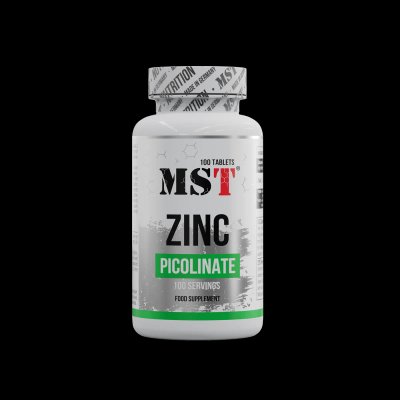 MST Zinc Picolinate€13.90 In stock 100tabs. If you want a chelated form with high bioavailability, MST Zinc Chelate Bisglycinate 90tabs is worth a look. For those who prefer variety, OstroVit Triple Zinc 90caps combines multiple zinc forms.
Browse the full range in the tsink category at maxfit.ee.
FAQ
Do I need to take zinc every day?
For consistent support, daily intake is sensible. However, zinc from diet plus a supplement several times per week is also an effective approach for people who eat varied diets including meat and seafood.
Can women take zinc too?
Absolutely. Zinc is essential for all adults. Women following plant-based diets, those with heavy menstrual cycles, or women who are pregnant or breastfeeding may particularly benefit from ensuring adequate zinc intake.
Is zinc safe for long-term use?
At standard supplement doses, yes. Avoid chronically exceeding the tolerable upper intake level to prevent interference with copper status.
References
Hemila, H. (2011). Zinc lozenges may shorten the duration of colds: a systematic review. Open Respiratory Medicine Journal, 5, 51–58.
Prasad, A. S., Mantzoros, C. S., Beck, F. W., Hess, J. W., & Brewer, G. J. (1996). Zinc status and serum testosterone levels of healthy adults. Nutrition, 12(5), 344–348. https://pubmed.ncbi.nlm.nih.gov/8875519/



