What Is VO2 Max?
VO2max — maximal oxygen uptake — is the maximum volume of oxygen your body can consume per minute during exercise. It's expressed in millilitres of oxygen per kilogram of bodyweight per minute (ml/kg/min).
VO2max is one of the best predictors of endurance capacity: it determines how much energy your body can produce aerobically. World-class distance runners achieve VO2max values of 70–85 ml/kg/min; untrained individuals typically sit at 30–45 ml/kg/min.
Why VO2 Max Matters
Endurance ceiling: VO2max sets the upper limit of how fast you can run, cycle, or swim. A higher ceiling means faster sustainable paces.
Health marker: higher VO2max correlates with significantly lower risks of cardiovascular disease, type 2 diabetes, and cognitive decline (Myers et al., 2002).
Metabolic snapshot: VO2max reflects heart muscle strength, capillary density, haemoglobin content, and mitochondrial density simultaneously.
VO2 Max Reference Values (ml/kg/min, men)
| Age group | Low | Average | Good | Excellent |
|---|---|---|---|---|
| 20–29 | < 34 | 34–43 | 44–52 | > 52 |
| 30–39 | < 33 | 33–42 | 43–50 | > 50 |
| 40–49 | < 31 | 31–40 | 41–47 | > 47 |
| 50+ | < 28 | 28–36 | 37–44 | > 44 |
(Women: subtract approximately 5–7 ml/kg/min)
Best Methods to Raise VO2 Max
1. 4×4 Interval Training (Norwegian Protocol)
Run/cycle/row at ~85–90% MHR for 4 minutes, followed by 3 minutes of active recovery. Repeat 4 times. This is one of the best-researched VO2max improvement methods (Helgerud et al., 2007).
2. Short High-Intensity Intervals (30/15 Protocol)
30 seconds at ~95% intensity, 15 seconds light active recovery. Repeat 12–15 times. Effective for those preferring shorter sessions.
3. Zone 2 Base Training
Low intensity at high volume increases mitochondrial density and capillary number — the biological foundation of VO2max (Holloszy & Coyle, 1984).
4. Hill Sprints
Short (20–30 sec) maximal hill sprints, walk back down for recovery. Repeat 6–10 times. Hill sprints build power and VO2max simultaneously.
How Long Does It Take to Raise VO2 Max?
Beginners see the fastest gains: 4–8 weeks of systematic training can raise VO2max by 5–15%. Experienced athletes progress more slowly — 2–5% per year is realistic (Jones & Carter, 2000).
VO2max naturally declines ~1%/year after age 30 in untrained individuals, but regular training significantly slows this decline.
Nutrition for VO2 Max Training
Iron: haemoglobin carries oxygen, and iron deficiency dramatically reduces VO2max. Women are particularly vulnerable to iron insufficiency.
B vitamins: involved in energy production and red blood cell formation.
Electrolytes: VO2max intervals produce intense sweating. 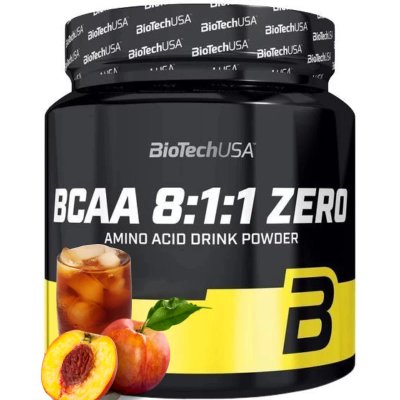 BIOTECHUSA Amino Energy Zero with Electrolytes Lime€26.90 In stock 360g combines amino acids and electrolytes in a convenient formula — available from maxfit.ee in the electrolytes category.
Caffeine at around 3 mg/kg bodyweight improves high-intensity exercise performance by 2–4% (Doherty & Smith, 2005) — useful before VO2max interval sessions.
Common VO2 Max Training Mistakes
- Too much high intensity: VO2max intervals are effective but training at full intensity constantly leads to overtraining. Follow the 80/20 rule: 80% low intensity, 20% high.
- Too little total volume: VO2max develops poorly below 150 min/week total training.
- Insufficient recovery: VO2max intervals are high-load sessions requiring 48 h recovery.
FAQ
Is VO2 max genetic?
Partially. Research suggests ~50% of VO2max variability is genetic (Bouchard et al., 1999). However, a trained person's VO2max can be 40–60% higher than an untrained person's — training is the dominant variable within any individual's range.
Can walking improve VO2 max?
For beginners and older adults — yes. Brisk walking raises VO2max effectively in deconditioned individuals. For trained people, higher intensity is needed to drive further adaptation.
When does VO2 max start declining?
Without training, approximately 1% per year after age 30. Regular endurance training can significantly slow this decline and maintain high VO2max values well into your 60s and 70s.
References
- Myers, J., et al. (2002). Exercise capacity and mortality among men referred for exercise testing. New England Journal of Medicine, 346(11), 793–801.
- Helgerud, J., et al. (2007). Aerobic high-intensity intervals improve VO2max more than moderate training. Medicine & Science in Sports & Exercise, 39(4), 665–671.
- Holloszy, J. O., & Coyle, E. F. (1984). Adaptations of skeletal muscle to endurance exercise and their metabolic consequences. Journal of Applied Physiology, 56(4), 831–838.
- Jones, A. M., & Carter, H. (2000). The effect of endurance training on parameters of aerobic fitness. Sports Medicine, 29(6), 373–386.
- Doherty, M., & Smith, P. M. (2005). Effects of caffeine ingestion on exercise testing: a meta-analysis. International Journal of Sport Nutrition and Exercise Metabolism, 15(2), 135–157.
- Bouchard, C., et al. (1999). Familial aggregation of VO2max response to exercise training. Journal of Applied Physiology, 87(3), 1003–1008.