
Vitamin C and Weight Management: Separating Signal from Noise
Vitamin C is most famous as an antioxidant and immune-support nutrient, but it is also discussed in the context of weight management. This review examines the proposed mechanisms, what the evidence actually shows, realistic effect sizes, and the genuinely better levers for body composition — so you can make a grounded decision.
Proposed Mechanisms
Several biological pathways have been proposed to connect vitamin C with body weight:
Carnitine synthesis: Vitamin C is an essential cofactor for two enzymes that synthesize L-carnitine, the molecule responsible for transporting long-chain fatty acids into mitochondria for oxidation. Without adequate vitamin C, carnitine synthesis is impaired, which may reduce fat oxidation capacity (Rebouche, 2006).
Cortisol modulation: Vitamin C is highly concentrated in adrenal tissue and supports cortisol metabolism. Chronic high cortisol promotes visceral fat accumulation. There is theoretical support for vitamin C helping to buffer excessive cortisol responses to stress, which could indirectly support body composition — though direct evidence in humans is limited.
Satiety and blood sugar: High-fiber foods rich in vitamin C (fruits, vegetables) tend to be satiating and low in caloric density. However, this is a dietary pattern effect, not a direct action of vitamin C itself.
Antioxidant support during exercise: Intense exercise generates oxidative stress that can impair performance and recovery. Adequate antioxidant status — including vitamin C — supports the exercise capacity needed to burn calories effectively.
An Honest Look at the Evidence
The evidence for vitamin C as a direct weight-management supplement is modest:
- Cross-sectional studies have found that people with low vitamin C status tend to have higher body fat percentages and greater waist circumference compared to those with adequate status. However, correlation does not imply causation — inadequate vitamin C may simply be a marker of a poor overall diet.
- A study found that individuals with adequate plasma vitamin C oxidized significantly more fat during a 60-minute walking session compared to those with low vitamin C, suggesting that adequacy — not supplementation beyond adequacy — is the relevant variable (Johnston et al., 2006).
- Supplementation trials specifically targeting weight loss in replete individuals show minimal effects on body weight or fat mass beyond correcting deficiency.
The consistent finding is that correcting vitamin C deficiency may partially restore fat oxidation capacity and exercise tolerance, but supplementing beyond adequacy in people who already have normal vitamin C status does not appear to accelerate weight loss.
Realistic Expectations
If you are currently deficient in vitamin C:
- Restoring normal status may partially support fat metabolism during exercise.
- Your exercise tolerance and recovery may improve modestly.
- These effects are likely real but small in magnitude relative to caloric balance and exercise volume.
If you already have adequate vitamin C status:
- Additional supplementation is unlikely to produce meaningful changes in body weight or fat mass.
- Large doses do not provide proportionally greater benefit and may cause gastrointestinal discomfort.
Vitamin C is not a fat burner in the popular sense. It supports the conditions under which your body can exercise and recover well — nothing more, nothing less.
Better Levers for Body Composition
While ensuring adequate vitamin C is sensible for general health, the following have substantially stronger evidence for weight management:
- Sustained caloric deficit: The most consistent predictor of fat loss, regardless of macronutrient composition.
- Protein intake: Adequate protein preserves lean mass during caloric restriction and increases satiety.
- Resistance training: Preserves muscle mass during weight loss and increases resting metabolic rate over time.
- Sleep: Chronic sleep restriction elevates ghrelin and reduces leptin, increasing hunger and reducing fat-burning during rest.
- Consistent aerobic exercise: Increases caloric expenditure directly and improves insulin sensitivity.
Vitamin C works best as part of this foundation, not as a shortcut around it.
At maxfit.ee the c-vitamiin category includes 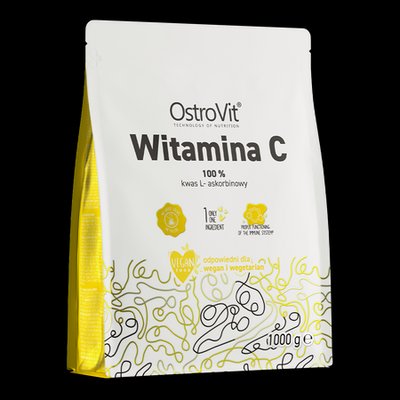 OstroVit Vitamin C€14.90 In stock 1000g,
 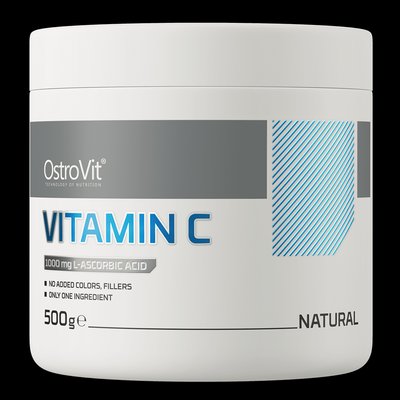 OstroVit Vitamin C€7.90 In stock 500g, OstroVit Vitamin C 1000mg 90tabs, OstroVit Pharma natural Vitamin C from rose hips 30caps, and BIOTECHUSA Vitamin C1000 100tab — straightforward options to ensure you are meeting your daily needs without overspending on proprietary blends.
FAQ
Should I take vitamin C before exercise for fat burning?
The evidence does not support a pre-exercise timing advantage for vitamin C and fat oxidation. Maintaining adequate daily vitamin C status — rather than single-dose timing — is what the research suggests matters.
What dose of vitamin C is appropriate if I am trying to manage my weight?
For general adequacy, 200–500 mg per day is sufficient for most adults. Intakes above 1 g per day offer diminishing returns on plasma saturation. Gastrointestinal tolerance is the practical upper limit for most people.
Is vitamin C from food better than supplements for weight management?
Foods rich in vitamin C — citrus, peppers, kiwi, broccoli — provide additional fiber, polyphenols, and micronutrients that support satiety and metabolic health. If you are eating a varied, vegetable-rich diet, a food-first approach is preferable. Supplements are a practical backup when intake is consistently low.
References
Rebouche, C. J. (2006). Ascorbic acid and carnitine biosynthesis. American Journal of Clinical Nutrition, 54(6 Suppl), 1147S-1152S.
Johnston, C. S., Corte, C., & Swan, P. D. (2006). Marginal vitamin C status is associated with reduced fat oxidation during submaximal exercise in young adults. Nutrition and Metabolism, 3, 35. https://pubmed.ncbi.nlm.nih.gov/16945143/



