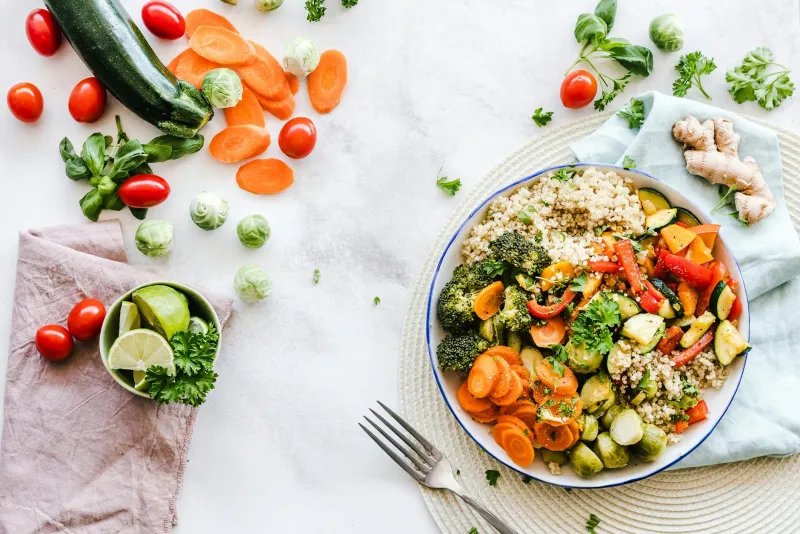
Vitamin C for Vegans and Vegetarians
At first glance, vitamin C might seem like the last nutrient vegans need to worry about. Fruits and vegetables are its primary dietary sources, and a plant-based diet by definition revolves around these foods. However, vitamin C status is not automatic on a vegan or vegetarian diet — and in the context of sports nutrition and active lifestyles, understanding your intake becomes meaningful.
Why Plant-Based Diets May Fall Short on Vitamin C
The assumption that vegans always get enough vitamin C is worth examining. While it is true that plant foods contain vitamin C, several factors can erode intake:
- Cooking: Vitamin C is heat-sensitive. Boiling, roasting, or prolonged cooking can substantially reduce the vitamin C content of vegetables.
- Storage time: Vitamin C degrades during storage. Fresh produce stored for days loses meaningful amounts before consumption.
- Dietary monotony: Vegans who rely heavily on grains, legumes, and cooked staples without abundant fresh produce may fall below adequate intake levels.
- Increased needs from exercise: Physical training generates oxidative stress, and some research suggests that athletes may have higher antioxidant requirements (Peake et al., 2017).
None of this means vegans are at systematic risk — but it means intake is worth tracking rather than assumed.
Vegan-Friendly Sources of Vitamin C
The richest plant-based sources include bell peppers (especially red and yellow), kiwifruit, broccoli, Brussels sprouts, strawberries, papaya, citrus fruits, and blackcurrants. Eating a variety of these regularly, ideally raw or lightly cooked, supports adequate intake for most people.
For supplementation, vitamin C is inherently vegan — ascorbic acid (the most common supplement form) is typically produced through glucose fermentation, not animal-derived sources. What matters is checking whether the capsule or tablet itself uses animal gelatin. Look for products labelled vegan or using plant-based (e.g. HPMC) capsule materials.
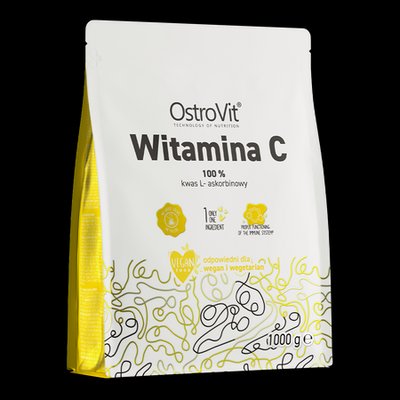 OstroVit Vitamin C€14.90 In stock 1000g and
 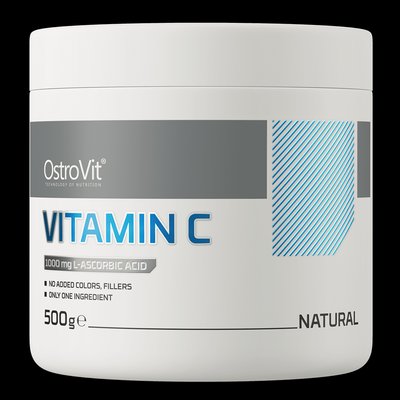 OstroVit Vitamin C€7.90 In stock 1000mg 90tabs are widely available at maxfit.ee and suitable for vegan use.
Dose Targets for Active Vegans
Reference daily intake guidelines for vitamin C sit at relatively modest levels for the general population. Athletes and highly active individuals may benefit from somewhat higher intakes given oxidative stress from training, though the evidence for very high supplemental doses in healthy well-nourished athletes is not conclusive. General supplementation at doses between 200 and 1000 mg per day is considered within a reasonable and well-tolerated range for most adults.
Vitamin C is water-soluble — excess is excreted in urine rather than accumulating to toxic levels, though very high doses may cause GI discomfort in some people.
What to Combine With Vitamin C
Vitamin C has well-established interactions that are useful in practice:
- Iron absorption: Vitamin C significantly enhances the absorption of non-haem iron (the form found in plant foods) when consumed together (Lynch & Cook, 1980). This is particularly relevant for vegans, who rely entirely on non-haem iron. Having vitamin C-rich foods or a supplement with iron-containing meals is a practical strategy.
- Collagen synthesis: Vitamin C is a necessary cofactor for collagen synthesis. For athletes interested in joint health or recovery, combining vitamin C with collagen supplements is evidence-supported (Shaw et al., 2017).
- Antioxidant network: Vitamin C works synergistically with vitamin E in the antioxidant network, regenerating vitamin E after it quenches free radicals.
Choosing a Vegan Vitamin C Product
When selecting a vitamin C supplement as a vegan or vegetarian, consider:
- Capsule material: Opt for products using vegetarian/vegan capsules (HPMC) or tablets without animal-derived binders.
- Form: Plain ascorbic acid is fine for most people. Buffered forms (sodium ascorbate, calcium ascorbate) are gentler on the stomach at higher doses.
- Source claims: "Natural" vitamin C from food sources like rosehips can be appealing, but concentrations per capsule are typically much lower than synthetic ascorbic acid. Both are biologically equivalent.
OstroVit Pharma natural Vitamin C from rose hips 30caps offers a food-based option, while BIOTECHUSA Vitamin C1000 100tab provides a higher-potency option — both available at maxfit.ee.
Browse the full range at maxfit.ee/et/category/c-vitamiin.
FAQ
Do vegans need a vitamin C supplement?
Not necessarily — a diet with abundant fresh fruits and vegetables provides ample vitamin C for most people. However, athletes with high oxidative stress loads, vegans with limited fresh produce intake, or those in periods of high physiological stress may benefit from supplementation.
Is ascorbic acid vegan?
Yes. Commercial ascorbic acid is produced through microbial fermentation of glucose, not from animal sources. Check the capsule material — gelatin capsules are animal-derived, so look for vegetarian or vegan capsule markings.
Can vitamin C help vegans absorb plant iron better?
Yes. Consuming vitamin C with non-haem iron-containing foods (legumes, leafy greens, fortified grains) meaningfully enhances iron absorption. This is one of the most practical dietary strategies for vegans managing iron status (Lynch & Cook, 1980).
References
Peake, J. M., Neubauer, O., Della Gatta, P. A., & Nosaka, K. (2017). Muscle damage and inflammation during recovery from exercise. Journal of Applied Physiology, 122(3), 559-570. https://pubmed.ncbi.nlm.nih.gov/28035017/
Lynch, S. R., & Cook, J. D. (1980). Interaction of vitamin C and iron. Annals of the New York Academy of Sciences, 355, 32-44. https://pubmed.ncbi.nlm.nih.gov/6940487/
Shaw, G., Lee-Barthel, A., Ross, M. L., Wang, B., & Baar, K. (2017). Vitamin C-enriched gelatin supplementation before intermittent activity augments collagen synthesis. American Journal of Clinical Nutrition, 105(1), 136-143. https://pubmed.ncbi.nlm.nih.gov/27852613/



