Why Vitamin C Matters Particularly for Women
Vitamin C is an essential water-soluble antioxidant involved in collagen synthesis, immune defence, and iron absorption. While these roles are important for everyone, several factors make vitamin C particularly relevant for women across different life stages.
Collagen Production and Skin Health
Collagen is the most abundant structural protein in the body, and its synthesis requires vitamin C as a necessary cofactor. Collagen matters for skin elasticity, wound healing, joint cartilage, and connective tissue integrity.
Women experience age-related collagen decline more rapidly than men after menopause, as oestrogen plays a role in supporting collagen production. While supplemental vitamin C does not replace oestrogen's role, it supports the collagen synthesis machinery that remains active. Research confirms that vitamin C plays an essential enzymatic role in collagen hydroxylation, and deficiency leads to impaired collagen formation (Peterkofsky, 1991).
Iron Absorption: A Particularly Important Role
Women of reproductive age are at significantly higher risk of iron deficiency than men, due to monthly menstrual blood loss. Vitamin C strongly enhances the absorption of non-haem iron (the form found in plant foods such as legumes, tofu, and spinach) by reducing ferric iron (Fe3+) to ferrous iron (Fe2+), which is more readily absorbed.
Consuming vitamin C together with iron-rich plant foods or iron supplements meaningfully improves iron absorption. This is particularly relevant for vegetarian and vegan women, whose primary iron source is non-haem.
Immune Function
Vitamin C concentrates in immune cells and is consumed rapidly during infections. Women who are under high stress — including competitive athletes, new mothers, and those with demanding professional schedules — may have increased vitamin C needs due to elevated physiological demands.
Hormonal and Life-Stage Considerations
Oral Contraceptive Use
Estrogen-containing oral contraceptives appear to lower plasma vitamin C concentrations, possibly by increasing its metabolism. Women on the pill may therefore have modestly higher vitamin C requirements than non-users.
Pregnancy
Vitamin C needs increase during pregnancy to support foetal development, immune function, and collagen formation. Adequate vitamin C during pregnancy is important. However, extremely high supplemental doses during pregnancy are not advised; typical prenatal supplement doses are appropriate. Always consult a midwife or gynaecologist about supplementation during pregnancy.
Breastfeeding
Vitamin C passes into breast milk. Lactating women have higher vitamin C needs than non-pregnant, non-lactating women.
Postmenopause
Post-menopausal women lose the partial protection of oestrogen on collagen and cardiovascular health. Maintaining adequate vitamin C intake through food and supplementation supports collagen and acts as an antioxidant in this phase.
Dose Considerations
Vitamin C is water-soluble, and excess amounts are excreted in urine. However, very high doses can cause gastrointestinal side effects (diarrhoea, stomach cramps). Dividing doses throughout the day reduces this risk, as the gut's transport capacity is saturable.
A practical approach: a daily dose spread across two or three administrations with meals is better tolerated than a single large dose.
Pregnancy and Safety Notes
Vitamin C at amounts typically found in prenatal vitamins and through a healthy diet is considered safe throughout pregnancy. Avoid high-dose supplementation beyond levels in standard prenatal supplements without medical guidance. No established teratogenic effect has been found at dietary and typical supplemental levels, but caution with excessive amounts remains prudent.
Bottom Line
For most women, a balanced diet rich in fresh fruits and vegetables provides good vitamin C intake. Women who may benefit from supplementation include: those eating limited fresh produce (especially in Estonian winters), regular athletes, pregnant and breastfeeding women, oral contraceptive users, and those with high stress loads.
At maxfit.ee, the vitamin C category includes 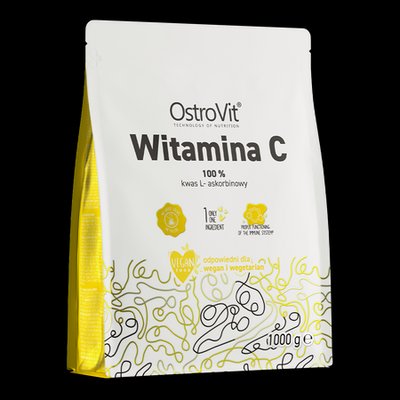 OstroVit Vitamin C€14.90 In stock 1000g,
 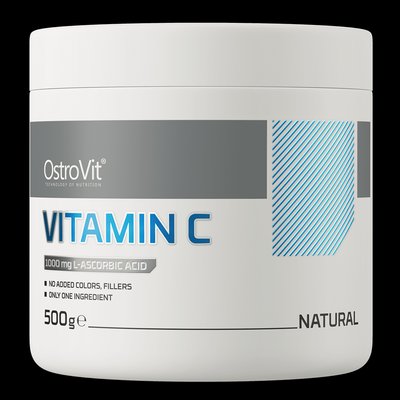 OstroVit Vitamin C€7.90 In stock 1000mg 120caps, and OstroVit Pharma natural Vitamin C from rose hips 30caps — a natural-source option for those preferring plant-derived forms. BIOTECHUSA Vitamin C1000 100tab is another popular option.
FAQ
Should women take more vitamin C than men?
The baseline daily requirement is similar between men and women. However, women during pregnancy, breastfeeding, or those using oral contraceptives have somewhat higher requirements. Stress and intense physical activity also increase needs for both sexes.
Does vitamin C help with skin and anti-ageing?
Vitamin C is essential for collagen synthesis, and deficiency impairs skin integrity (Peterkofsky, 1991). Maintaining adequate vitamin C supports normal collagen formation. However, extraordinary anti-ageing claims beyond its established biochemical role should be viewed critically.
Can vitamin C interfere with any medications women commonly take?
High-dose vitamin C may interact with oestrogen-containing medications by potentially altering metabolism. Women taking warfarin (blood thinner) should maintain consistent vitamin C intake, as very high doses may affect anticoagulation. Discuss with your doctor if you are on long-term prescription medications.
References
Peterkofsky, B. (1991). Ascorbate requirement for hydroxylation and secretion of procollagen: relationship to inhibition of collagen synthesis in scurvy. American Journal of Clinical Nutrition, 54(6 Suppl), 1135S-1140S.
Hewison, M. (2012). An update on vitamin D and human immunity. Clinical Endocrinology, 76(3), 315-325. https://pubmed.ncbi.nlm.nih.gov/21995874/
Curhan, G. C., Willett, W. C., Speizer, F. E., & Stampfer, M. J. (1999). Intake of vitamins B6 and C and the risk of kidney stones in women. Journal of the American Society of Nephrology, 10(4), 840-845. https://pubmed.ncbi.nlm.nih.gov/10203369/



