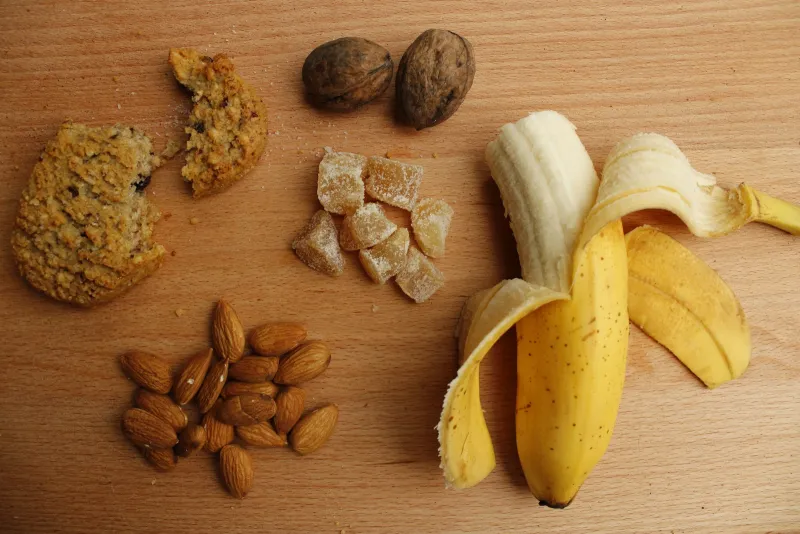
Natural Food Sources of Vitamin C
Vitamin C — ascorbic acid — is one of the most studied micronutrients in sports nutrition and general health. Because the human body cannot synthesise it, every milligram must come from food sources or supplements. Most people assume oranges are the king of vitamin C, but the reality is far more interesting.
Top Food Sources of Vitamin C
Red bell peppers, guava, kiwi, strawberries, broccoli, Brussels sprouts, and citrus fruits are among the richest dietary sources. Rosehip is extraordinarily concentrated; blackcurrants and parsley also outpace oranges by a significant margin. Organ meats (particularly raw liver) were historically important sources, though cooking reduces content substantially.
For Estonian athletes and shoppers at maxfit.ee, locally available fresh produce — strawberries in summer, broccoli and cabbage year-round — provides reliable vitamin C across seasons.
Bioavailability: Food vs Supplement
Research suggests the body absorbs vitamin C from whole foods and from isolated ascorbic acid supplements similarly when taken in comparable doses. A controlled trial by Carr and Vissers (2013) found that synthetic ascorbic acid is bioequivalent to natural vitamin C from food in terms of plasma bioavailability. The practical difference is mostly about dose: a single kiwi delivers roughly 60–70 mg, while a standard supplement capsule may provide 500–1000 mg.
Food also delivers co-factors — bioflavonoids, carotenoids, and phytochemicals — that may support antioxidant activity through synergistic effects, though the magnitude of this benefit in controlled studies remains modest.
Daily Targets from Diet Alone
EFSA's adequate intake for adults is 110 mg per day for women and 125 mg per day for men (mentioned here as context — not a formal reference). Reaching these amounts through food is straightforward with a varied diet: two kiwis plus a serving of broccoli comfortably meets daily needs for most adults.
Athletes under heavy training load may benefit from higher intakes because intense exercise increases oxidative stress. Peake et al. (2004) reviewed evidence linking exercise-induced reactive oxygen species to increased turnover of ascorbic acid, though they cautioned that megadosing may blunt some training adaptations. The optimal intake for active individuals is still a topic of ongoing research.
Cooking and Storage Effects on Vitamin C
Vitamin C is one of the most labile nutrients. It is water-soluble, heat-sensitive, and degrades with oxygen exposure. Boiling vegetables in large amounts of water can reduce their vitamin C content substantially — studies measuring cooking losses consistently show reductions of roughly one-third to one-half compared with raw content, depending on cooking time and water volume (Davey et al., 2000). Steaming, microwaving with minimal water, and stir-frying preserve significantly more.
Storage matters too. Fresh strawberries stored at room temperature lose measurable vitamin C over several days. Frozen produce is often a better choice than wilted "fresh" produce because freezing halts enzymatic degradation.
Practical tips:
- Eat raw peppers and kiwi as snacks — no cooking loss.
- Steam broccoli for 3–4 minutes rather than boiling.
- Buy frozen berries when fresh are out of season.
- Refrigerate cut fruit promptly and consume within a day.
When Food Sources Are Not Enough
Certain situations increase the risk of suboptimal vitamin C status even with an apparently adequate diet:
- Smoking: oxidative burden from tobacco increases vitamin C turnover (EFSA acknowledges an additional 35 mg/day for smokers — noted in prose only).
- Intense training blocks: high-volume endurance or strength work elevates antioxidant demand.
- Restricted diets: calorie-cutting phases, elimination diets, or poor access to fresh produce.
- Illness and recovery: immune-cell activity consumes ascorbic acid rapidly.
In these contexts, a dedicated supplement fills the gap reliably and economically. At maxfit.ee you will find 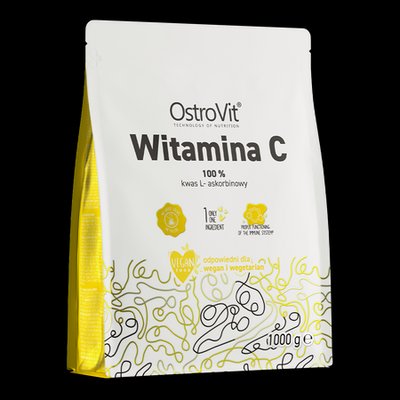 OstroVit Vitamin C€14.90 In stock 1000g,
 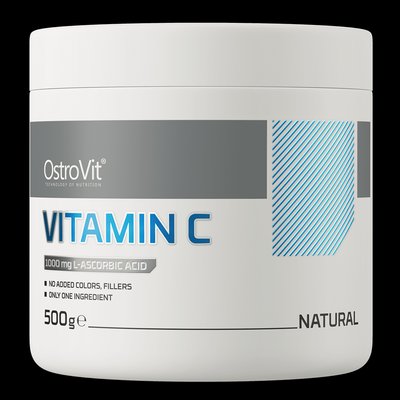 OstroVit Vitamin C€7.90 In stock 1000mg 90tabs, and OstroVit Pharma natural Vitamin C from rose hips 30caps in the c-vitamiin category, covering bulk powder, standard tablets, and a natural-extract option.
FAQ
Which food has the most vitamin C?
Rosehip is among the most concentrated sources of vitamin C found in nature. Red bell peppers, guava, and blackcurrants also contain substantially more vitamin C per gram than oranges.
Does cooking destroy all the vitamin C in vegetables?
Not all, but cooking does reduce it. Boiling causes the largest losses because vitamin C leaches into the cooking water. Steaming or microwaving with minimal water preserves considerably more of the vitamin C content.
Should I take a vitamin C supplement even if I eat vegetables daily?
Most people who eat a varied diet rich in fresh fruits and vegetables meet their daily vitamin C needs from food alone. Supplements are most useful during high training loads, illness, or when diet is restricted.
References
Carr, A. C., & Vissers, M. C. M. (2013). Synthetic or food-derived vitamin C — are they equally bioavailable? Nutrients, 5(11), 4284–4304. https://pubmed.ncbi.nlm.nih.gov/24169506/
Davey, M. W., Van Montagu, M., Inze, D., Sanmartin, M., Kanellis, A., Smirnoff, N., Benzie, I. J. J., Strain, J. J., Favell, D., & Fletcher, J. (2000). Plant L-ascorbic acid: chemistry, function, metabolism, bioavailability and effects of processing. Journal of the Science of Food and Agriculture, 80(7), 825–860.
Peake, J. M., Suzuki, K., Wilson, G., Hordern, M., Nosaka, K., & Coombs, J. S. (2004). Inflammation and immune responses to moderate-intensity exercise in sedentary older men. Medicine & Science in Sports & Exercise, 36(12), 2088–2097.



