
What Is Vitamin C and Why Is It Necessary?
Vitamin C (ascorbic acid) is a water-soluble vitamin the human body cannot produce on its own — it must come from food or supplements. It is a well-known antioxidant that protects cells from oxidative stress, contributes to collagen synthesis, and supports normal immune system function.
For athletes, vitamin C is also important because intense training increases oxidative stress, and a strong immune system supports consistent training.
What Does Vitamin C Do?
- Immune support — supports white blood cell function
- Collagen synthesis — important for joints, cartilage, and skin
- Antioxidant protection — neutralises free radicals
- Iron absorption — improves non-haem (plant-based) iron absorption when taken together
- Recovery — may support muscle recovery after training
How to Start as a Beginner
The recommended daily intake for most adults is 75–90 mg, but supplements commonly contain 500–1000 mg. This is not a problem — as a water-soluble vitamin, the body excretes the excess in urine.
Start with a lower dose (250–500 mg) and assess your tolerance. If you feel fine you can increase the amount. A single large dose can cause gastrointestinal discomfort; splitting into two or three smaller doses per day is a sensible approach.
What to Expect and When
Vitamin C does not produce fast noticeable effects like caffeine or pre-workout blends. Longer-term use supports general immunity and recovery gradually.
Immune function support has been observed in clinical studies over several weeks of use. In athletic populations studied in vitamin C supplementation contexts, shorter durations of respiratory infections have also been noted. A Cochrane meta-analysis found that regular vitamin C intake is associated with shorter duration of colds (Hemilä & Chalker, 2013).
Common Mistakes for Beginners
- Mega-doses without need — the body excretes excess; very high long-term doses (above 2000 mg/day) carry a rare kidney stone risk
- Irregular intake — vitamin C works cumulatively; daily consistency matters more than occasional large doses
- Forgetting to pair with iron-rich food — vitamin C boosts plant-based iron absorption, useful for vegetarians
- Cooking destroys the vitamin — when relying on food sources, note that heat reduces vitamin C content significantly
How to Choose a Product
Options range from plain ascorbic acid to products derived from natural sources (rose hips, acerola). Prioritise a clean, certified product from a reputable brand.
In our vitamin C category at maxfit.ee you will find 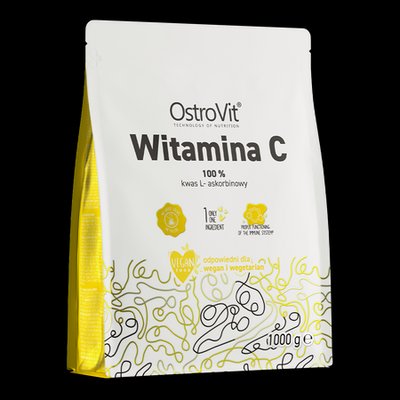 OstroVit Vitamin C€14.90 In stock 1000g — excellent value in bulk format. Also available is OstroVit Pharma natural Vitamin C from rose hips 30caps for those who prefer a natural source.
Food Sources vs Supplements
| Source | Vitamin C (approx.) |
|---|---|
| Red bell pepper (100g) | 128 mg |
| Orange (1 piece) | 70 mg |
| Rose hips (100g) | 400–800 mg |
| Supplement 500 mg | 500 mg |
If your diet already contains plenty of fresh fruit and vegetables, additional supplementation may be less necessary. During the Estonian winter, when fresh produce variety is limited, a supplement can be a practical addition.
FAQ
Can vitamin C be taken every day?
Yes, daily intake is normal and safe at reasonable doses. Unlike some supplements, vitamin C does not require long periodic breaks.
Does vitamin C help prevent colds?
Clinical research suggests regular use may shorten the duration of a cold, but does not prevent infection entirely (Hemilä & Chalker, 2013). The effect may be more pronounced during periods of intensive training.
What is the best form of vitamin C?
Ascorbate salts (calcium or sodium ascorbate) are gentler on the stomach than pure ascorbic acid. Rose hip extract is a popular natural alternative.
References
McCall, M. R., & Frei, B. (1999). Can antioxidant vitamins materially reduce oxidative damage in humans? Free Radical Biology and Medicine, 26(7-8), 1034-1053. https://pubmed.ncbi.nlm.nih.gov/10232849/
Hemilä, H., & Chalker, E. (2013). Vitamin C for preventing and treating the common cold. Cochrane Database of Systematic Reviews, 1, CD000980. https://pubmed.ncbi.nlm.nih.gov/23440782/



