
Testosterone Boosters for Vegans & Vegetarians
The testosterone booster market is large, but much of it is targeted at omnivores. Vegans and vegetarians face some distinct nutritional considerations that are relevant to testosterone support — and navigating which supplements are genuinely plant-derived and backed by evidence requires some care.
Why Plant-Based Diets May Fall Short
Several micronutrients important for testosterone biosynthesis and maintenance are less bioavailable or less abundant in plant-based diets.
Zinc is the most documented example. Phytic acid in legumes, whole grains, and seeds binds zinc and reduces its absorption. A 1992 study by Prasad et al. in zinc-deficient men showed that testosterone levels were significantly higher after zinc supplementation (Prasad et al., 1996). While this is in deficient individuals — not healthy men with normal zinc — it underscores the importance of monitoring zinc status in those avoiding animal foods.
Vitamin D functions as a steroid prohormone and is associated with testosterone levels in observational studies. Vegans and vegetarians are at higher risk of vitamin D insufficiency, particularly in northern latitudes like Estonia where sunlight exposure is limited much of the year. A 2011 RCT by Pilz et al. found that vitamin D supplementation significantly increased testosterone levels in men compared to placebo (Pilz et al., 2011).
Creatine, while not directly a testosterone booster, is absent from plant-based diets (it is synthesised from meat); vegans tend to have lower baseline creatine stores, which may indirectly affect training intensity and recovery.
Vegan-Friendly Sources
Several testosterone-relevant supplements are naturally vegan or can be found in vegan-certified forms.
D-aspartic acid (DAA) is an amino acid that plays a role in the release of luteinising hormone, which signals testosterone production. A 2009 study by Topo et al. found increased testosterone in healthy men after DAA supplementation over 12 days (Topo et al., 2009). Notably, the testosterone increase was transient and not consistently replicated in men who already train regularly.
Tribulus terrestris is a plant-based compound that has been marketed as a testosterone booster. However, the controlled trial evidence is inconsistent — several well-designed studies found no significant testosterone elevation in healthy men with normal levels.
Ashwagandha (KSM-66 extract) has more consistent evidence for supporting testosterone in the context of stress reduction and physical training. It is naturally plant-derived and vegan.
Dose Targets and Combination Strategy
A rational vegan approach to testosterone support combines foundational micronutrients (zinc, vitamin D) with a well-evidenced herbal extract (ashwagandha). Zinc and vitamin D address the most common plant-based dietary gaps; ashwagandha adds an adaptogenic layer particularly relevant for training individuals.
OstroVit D.A.A 3000mg 90caps, MST Testo Boost Professional 90caps, 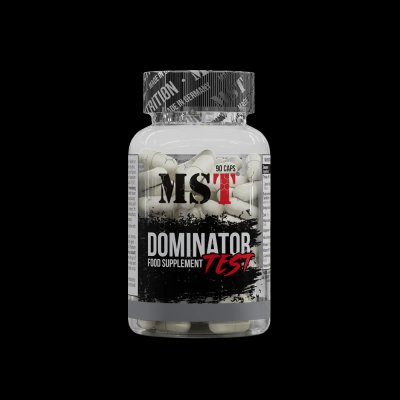 MST Dominator Test€28.90 In stock 90caps, and Mutant TEST 90 caps are available at maxfit.ee as comprehensive testosterone support formulas. Check each product's ingredient list to confirm vegan suitability (capsule shell type).
Browse the full range in the testosterone boosters category.
Choosing a Vegan Product
When selecting a testosterone booster as a vegan, check:
- Capsule type: look for HPMC (hypromellose) or pullulan capsules, not gelatin.
- Ingredient source: D-aspartic acid, zinc, vitamin D3 from lichen (not lanolin), and plant-based adaptogen extracts are all naturally vegan-compatible.
- Avoid formulas with colostrum, royal jelly, or other animal-derived ingredients.
A ZMA-style formula (zinc, magnesium, vitamin B6) is a vegan-friendly baseline option that addresses multiple nutrient gaps common in plant-based diets.
What to Combine
For vegans seeking comprehensive support, consider combining a testosterone formula with an omega-3 supplement from algal oil (not fish oil), vitamin D3 from lichen, and adequate protein intake. Low protein intake from plant sources that are incomplete may also affect anabolic hormone levels; prioritising complete protein sources or using a plant-based protein supplement is a foundational step before any testosterone booster.
Bottom Line
Vegans and vegetarians can use most evidence-based testosterone support strategies, with some adaptation. Addressing dietary gaps in zinc and vitamin D should be the first priority. Adaptogenic herbs like ashwagandha have plant-derived origins and a growing evidence base for training men. D-aspartic acid shows a possible short-term effect but the evidence in well-nourished training athletes is not convincing. Select products whose capsule and ingredient composition are confirmed vegan.
FAQ
Does a vegan diet lower testosterone?
A well-planned vegan diet does not necessarily lower testosterone. However, poorly planned vegan diets deficient in zinc, vitamin D, and adequate total calories may contribute to suboptimal hormone levels. Addressing these gaps through diet and targeted supplementation is the primary strategy.
Is D-aspartic acid vegan?
Yes. D-aspartic acid is an amino acid that can be synthetically produced and does not require animal-derived sources. Most commercial DAA supplements are vegan-compatible, but always check the capsule type.
What is the most important supplement for vegan testosterone support?
Based on current evidence, zinc and vitamin D address the most common and most impactful nutritional gaps relevant to testosterone in plant-based dieters. Start there before adding more specialised compounds.
References
Prasad, A. S., Mantzoros, C. S., Beck, F. W., Hess, J. W., & Brewer, G. J. (1996). Zinc status and serum testosterone levels of healthy adults. Nutrition, 12(5), 344-348. https://pubmed.ncbi.nlm.nih.gov/8875519/
Pilz, S., Frisch, S., Koertke, H., Kuhn, J., Dreier, J., Obermayer-Pietsch, B., & Zittermann, A. (2011). Effect of vitamin D supplementation on testosterone levels in men. Hormone and Metabolic Research, 43(3), 223-225. https://pubmed.ncbi.nlm.nih.gov/21154195/
Topo, E., Soricelli, A., D'Aniello, A., Ronsini, S., & D'Aniello, G. (2009). The role and molecular mechanism of D-aspartic acid in the release and synthesis of LH and testosterone in humans and rats. Reproductive Biology and Endocrinology, 7, 120. https://pubmed.ncbi.nlm.nih.gov/19860889/



