
Testosterone Boosters Side Effects & Safety: What to Know
"Testosterone boosters" is a broad commercial term covering herbal, mineral, and amino acid products marketed to support healthy testosterone levels. The category includes ingredients such as D-aspartic acid, tribulus terrestris, fenugreek, ashwagandha, zinc, and boron. Understanding the safety profile of these products requires separating the evidence on individual ingredients from the often exaggerated marketing claims of the finished products.
Common and Rare Side Effects
Side effects vary by ingredient and individual response:
Common (across the category):
- Gastrointestinal discomfort — nausea, bloating, or diarrhoea, particularly with high-dose herbal extracts.
- Sleep disruption — some stimulatory ingredients may interfere with sleep if taken late in the day.
- Acne — products that genuinely raise androgen activity may increase sebum production in predisposed individuals.
Ingredient-specific:
- D-aspartic acid (DAA): May temporarily raise luteinising hormone and testosterone in some men, but effects appear modest and transient; high doses can paradoxically reduce testosterone in healthy men with already-normal levels (Melville et al., 2017).
- Tribulus terrestris: Has not been shown to meaningfully raise testosterone in double-blind trials in healthy men; GI side effects reported at higher doses.
- Ashwagandha (KSM-66 extract): Associated with statistically significant testosterone improvement in a controlled trial (Lopresti et al., 2019); generally well tolerated; rare cases of liver toxicity reported with very high doses or poor-quality extracts.
- Zinc: Deficiency-correction can support normal testosterone; supplementation above needs does not further raise levels and excess zinc interferes with copper absorption.
Rare but serious:
- Hepatotoxicity — several case reports link marketed testosterone booster products (often with undisclosed herbal ingredients or spiked with prohormones) to acute liver injury. This is most associated with unregulated or counterfeit products.
- Prostate stimulation — products with significant androgenic activity are contraindicated in men with existing prostate conditions.
Upper Safe Limits
For individual ingredients with reasonable evidence:
- Ashwagandha extract: studies use typically 300–600 mg/day of standardised KSM-66 extract; long-term safety beyond 12 weeks is less thoroughly characterised.
- Zinc: tolerable upper intake level is generally considered around 40 mg/day for adults; dietary plus supplemental zinc together should stay below this.
- Boron: used at doses of 3–10 mg/day in studies; no established tolerable upper limit for supplemental use but very high intakes may be toxic.
Finished testosterone booster formulas often combine multiple ingredients at proprietary blend doses, making it difficult to assess total ingredient exposure.
Drug and Nutrient Interactions
- Anticoagulants (warfarin, etc.): Some herbal ingredients (fenugreek, ashwagandha) may influence coagulation parameters — discuss with your doctor if on blood thinners.
- Antidiabetic medications: Ashwagandha may reduce blood glucose; combining with glucose-lowering drugs requires monitoring.
- Hormonal medications or anabolic steroids: Adding herbal testosterone boosters on top of prescribed or non-prescribed hormonal drugs introduces unpredictable interactions.
- Copper status: High-dose zinc supplementation depletes copper; if using zinc-containing boosters long-term, consider periodic copper monitoring.
Who Should Avoid Testosterone Boosters
- Men with hormone-sensitive conditions (prostate cancer, breast cancer, or precancerous conditions).
- People with liver disease or a history of drug-induced liver injury.
- Adolescents and young men whose hormonal axis is still maturing.
- Individuals on multiple prescription medications without medical review.
- Women — the androgenic effects are undesirable for most women, and safety data in women are limited.
Quality and Contamination
This is the highest-risk supplement category for label dishonesty. Proprietary blends can conceal actual doses; some products have been found to contain undisclosed prohormones or anabolic steroids — substances that are both illegal and potentially serious health risks. Stick to reputable brands from established retailers. Products available at maxfit.ee include OstroVit D.A.A 3000mg 90caps, MST Testo Boost Professional 90caps, and 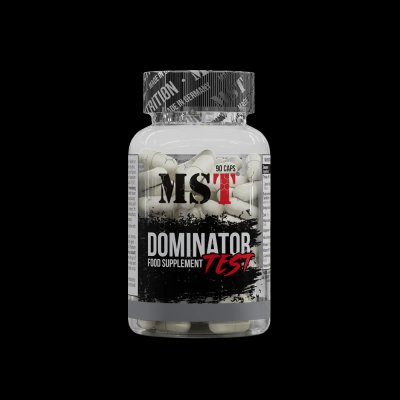 MST Dominator Test€28.90 In stock 90caps — all from known manufacturers.
References
Melville, G. W., Siegler, J. C., & Marshall, P. W. (2017). The effects of d-aspartic acid supplementation in resistance-trained men over a three month training period: a randomised controlled trial. PLOS ONE, 12(8), e0182630. https://pubmed.ncbi.nlm.nih.gov/28841667/
Lopresti, A. L., Drummond, P. D., & Smith, S. J. (2019). A randomized, double-blind, placebo-controlled, crossover study examining the hormonal and vitality effects of ashwagandha (Withania somnifera) in aging, overweight males. American Journal of Men's Health, 13(2), 1557988319835985. https://pubmed.ncbi.nlm.nih.gov/30854916/
Nair, R., & Maseeh, A. (2012). Vitamin D: The "sunshine" vitamin. Journal of Pharmacology & Pharmacotherapeutics, 3(2), 118-126. https://pubmed.ncbi.nlm.nih.gov/22629085/
FAQ
Do testosterone boosters actually raise testosterone?
Results depend heavily on the ingredient and the baseline status of the user. Ashwagandha has the strongest controlled-trial evidence for a modest testosterone-supporting effect. Most other ingredients have weak or inconsistent human data.
Are testosterone boosters safe for long-term use?
For well-studied ingredients at label-recommended doses from reputable brands, short-to-medium-term use appears safe for most healthy adult men. Long-term safety beyond 12 months is not well characterised for most ingredients, and the risk of counterfeit products is a genuine concern.
Can women take testosterone booster supplements?
Most testosterone booster products are formulated and studied in men. Androgenic effects in women include acne, hair changes, and menstrual disruption. Women should consult a healthcare professional before using any product in this category.



