
Common Myths About Testosterone Boosters
Testosterone boosters are one of the most heavily marketed supplement categories for men. The category includes everything from single-herb extracts to multi-ingredient blends promising dramatic hormonal and physique transformations. Before spending money on these products, it helps to know where the marketing ends and the science begins.
Myth 1: Testosterone boosters will significantly raise your testosterone levels. The overwhelming reality is that the clinical data for most commercially available "testosterone booster" ingredients show, at best, modest effects — and almost exclusively in populations with documented deficiencies or very specific clinical conditions. Healthy young men with normal testosterone levels have very little room for endogenous production to increase further.
Myth 2: More testosterone automatically means more muscle. Testosterone does support muscle protein synthesis, but the relationship is complex. Supraphysiological levels (far above normal range, as seen with anabolic steroids) do produce dramatic body composition changes. The modest elevations that any legal supplement might achieve fall nowhere near that threshold.
Myth 3: Natural ingredients mean no side effects or risks. Some testosterone booster ingredients, at high doses or in certain individuals, carry real risks. Products containing high-dose zinc, for example, can cause copper depletion with chronic overuse. Some herbal ingredients interact with medications or affect hormone-sensitive conditions.
What the Evidence Actually Shows
D-Aspartic Acid (DAA): One of the most studied testosterone booster ingredients. Topo et al. (2009) found that DAA supplementation raised luteinising hormone and testosterone in a small trial of young men. However, a later trial by Willoughby and Leutholtz (2013) in resistance-trained men found no testosterone increase from DAA. The effect appears present in untrained men with suboptimal levels but absent in trained men with already-adequate testosterone.
Tribulus terrestris: Marketed extensively for testosterone support. A systematic review of the available trials found no consistent evidence of significant testosterone elevation in healthy men (Qureshi et al., 2014). It may have libido-related effects in some populations, but this does not necessarily reflect a testosterone increase.
Zinc and magnesium: These are micronutrients, not hormones. Deficiency in either can suppress testosterone production. Correcting a genuine deficiency can restore normal levels. This is very different from a healthy, replete individual taking zinc to push testosterone above their natural baseline — evidence for the latter is essentially absent.
OstroVit D.A.A 3000mg 90caps and 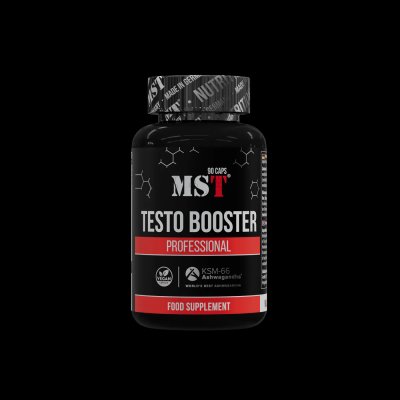 MST Testo Boost Professional€27.90 In stock 90caps are available at maxfit.ee for those interested in exploring these ingredients.
 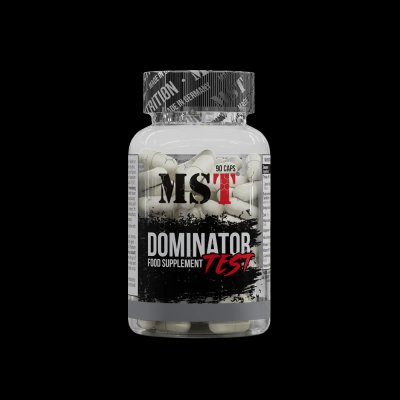 MST Dominator Test€28.90 In stock 90caps is another multi-ingredient option.
Marketing Claims vs Reality
The supplement industry is permitted to make structure-function claims (e.g., "supports healthy testosterone levels") without the same level of evidence required for drug claims. This creates a gap between what is implied ("this will raise your testosterone dramatically") and what the label technically says.
Before-and-after photos in advertising are testimonial evidence of the lowest quality — they conflate the effects of training, diet, lighting, and possibly undisclosed pharmaceutical use with the supplement.
Grey Areas
There are situations where testosterone support supplements have a more plausible rationale:
- Older men with documented low testosterone: Some ingredients may provide marginal support, though medical evaluation and treatment is the appropriate primary approach.
- Athletes in caloric restriction: Severe dieting can suppress testosterone. Ensuring zinc and magnesium adequacy during a cut is a legitimate preventive measure.
- Men with documented micronutrient deficiencies: Correcting zinc or vitamin D deficiency can restore testosterone to its natural range.
In these contexts, targeted micronutrient supplementation makes more sense than a blended "booster" product.
Universal Animal Test and Mutant TEST 90 caps are multi-ingredient blends formulated for this category.
Bottom Line
The name "testosterone booster" suggests a far larger effect than the evidence supports for healthy men. For those with genuine deficiencies — zinc, vitamin D, or clinically low testosterone diagnosed by a physician — targeted intervention makes sense. For everyone else, consistent heavy training, adequate protein intake, sufficient sleep, and stress management are far more powerful levers for hormonal health and muscle development than any supplement in this category.
FAQ
Are testosterone boosters worth it for men over 40?
For men over 40 with documented declining testosterone, some ingredients may provide modest support. However, a proper medical evaluation is the right first step — not a supplement. If testosterone is clinically low, medical treatment options exist.
Can testosterone boosters cause any harm?
At typical doses, most testosterone booster ingredients are well tolerated. High-dose zinc over long periods can cause copper deficiency. Some herbal extracts interact with medications. Reading labels and consulting a healthcare provider if you have any conditions is always advisable.
Is D-Aspartic Acid actually effective?
Evidence suggests it may raise testosterone in untrained or deficient men but not in resistance-trained men with normal levels. Its relevance for most gym-goers looking for extra gains is therefore limited.
References
Topo, E., Soricelli, A., D'Aniello, A., Ronsini, S., & D'Aniello, G. (2009). The role and molecular mechanism of D-aspartic acid in the release and synthesis of LH and testosterone in humans and rats. Reproductive Biology and Endocrinology, 7, 120. https://pubmed.ncbi.nlm.nih.gov/19860889/
Willoughby, D. S., & Leutholtz, B. (2013). D-aspartic acid supplementation combined with 28 days of heavy resistance training has no effect on body composition, muscle strength, and serum hormones associated with the hypothalamo-pituitary-gonadal axis in resistance-trained men. Nutrition Research, 33(10), 803-810. https://pubmed.ncbi.nlm.nih.gov/24074738/
Qureshi, A., Naughton, D. P., & Petroczi, A. (2014). A systematic review on the herbal extract tribulus terrestris and the roots of its putative aphrodisiac and performance enhancing effect. Journal of Dietary Supplements, 11(1), 64-79. https://pubmed.ncbi.nlm.nih.gov/24559105/
The Role of Vitamin D in Testosterone Production
Vitamin D occupies an interesting position in the testosterone discussion because it is a steroid hormone precursor as well as a micronutrient. Vitamin D receptors are found in testicular Leydig cells, where testosterone is synthesised, and population studies have found correlations between low vitamin D status and lower testosterone levels.
A randomised trial by Pilz et al. (2011) found that vitamin D supplementation in men who were deficient raised testosterone levels compared with placebo over twelve months. Crucially, this effect was seen in men who were vitamin D-deficient — not in men with already adequate vitamin D.
Northern European latitudes, including Estonia, are associated with widespread vitamin D deficiency from October through April due to the sun angle not being sufficient for cutaneous synthesis. Estonian men training indoors through winter months have a plausible rationale for vitamin D supplementation — not because vitamin D is a testosterone booster per se, but because correcting deficiency restores normal hormonal function.
This is a practical distinction: addressing vitamin D deficiency (a real public health issue in Estonia) is different from taking marketing-labelled testosterone boosters. The former is supported by evidence and has broad health benefits beyond testosterone.
Sleep and Testosterone: The Overlooked Variable
No testosterone booster ingredient has as much evidence for raising testosterone as sufficient high-quality sleep. Andersen et al. (2011) found that restricting sleep to around five hours per night for one week significantly reduced morning testosterone levels in young healthy men. This is a far larger and more consistent effect than any commercially available supplement ingredient has demonstrated.
For men focused on hormonal optimisation, addressing sleep hygiene first — consistent bedtime, limiting blue light exposure, keeping the bedroom cool — is the evidence-rational starting point before spending money on any supplement. This does not mean testosterone supplements have no role, but it contextualises their potential contribution relative to foundational lifestyle variables.
Navigating the Supplement Market Honestly
When evaluating testosterone booster products, a critical consumer approach involves:
- Looking for published human RCTs on the specific ingredient — not just animal data or in-vitro studies.
- Checking that the dose in the product matches the dose in the research.
- Noting whether the research was conducted in deficient populations or in healthy men with normal levels.
- Being sceptical of proprietary blend labels that hide individual ingredient doses.
For products available at maxfit.ee such as Universal Animal Test and Mutant TEST 90 caps, examining the ingredient list against this framework provides a more honest basis for a purchasing decision than relying on marketing language.



