
What Long-Term Studies Show About Testosterone Boosters
Testosterone boosters are a category of dietary supplements that typically contain plant extracts, amino acids, and minerals marketed to support hormonal balance in men. Common ingredients include D-aspartic acid, ashwagandha, fenugreek, zinc, and vitamin D — each with a different evidence base.
The term "testosterone booster" covers very different mechanisms. It is important to distinguish between supplements that genuinely raise testosterone within the normal physiological range and products making exaggerated claims without robust evidence. Randomised controlled trials vary in quality, and most studies run for 8–12 weeks — leaving meaningful gaps in our long-term safety knowledge.
Zinc, for example, has documented importance in testosterone regulation: men with low zinc status tend to have lower testosterone levels, and supplementation in zinc-deficient men has been shown to restore levels toward normal (Prasad et al., 2016). Vitamin D deficiency is similarly linked to suboptimal testosterone levels in epidemiological data, and correction of deficiency may modestly support hormonal health. These micronutrient effects are corrective rather than supraphysiological — you are restoring, not pharmacologically elevating.
Ashwagandha (Withania somnifera) has been studied in several RCTs. One meta-analysis found that ashwagandha supplementation was associated with increased testosterone compared with placebo in men (Lopresti et al., 2019). The effect size is modest and most studies ran no longer than 12 weeks.
Upper Safe Limits Over Time
For individual ingredients the tolerable upper intake levels set by regulatory bodies apply: zinc at high doses over long periods can impair copper absorption and compromise immune function. Most multi-ingredient testosterone formulas keep zinc well below levels of concern, but stacking multiple supplements can push totals higher than intended.
Herbal extracts like fenugreek and tribulus have limited long-term safety data. Healthy adults using mainstream commercial formulas at label doses for up to 12 weeks appear to tolerate them without serious adverse events in reported trials. Beyond that window, evidence thins considerably.
Do You Need to Cycle Testosterone Boosters?
Cycling — alternating periods of use with periods off — is a common recommendation in the fitness community, but formal evidence for or against cycling plant-based testosterone supplements is sparse. The rationale is precautionary: avoiding potential habituation of the hypothalamic-pituitary-gonadal axis and giving the body regular breaks from botanical extracts whose long-term effects are incompletely understood.
For micronutrient-based components like zinc and vitamin D, consistent daily dosing at reasonable levels is standard practice and supported by general nutritional guidance — cycling is not needed.
Monitoring
If you use testosterone-supporting supplements for more than a few months, periodic monitoring of general health markers makes sense. This means routine blood work checking testosterone, SHBG, CBC, liver enzymes, and copper if zinc intake is elevated. This is standard good-sense health practice and not cause for alarm — it simply gives you useful data to guide decisions.
At maxfit.ee you can find OstroVit D.A.A 3000mg 90caps, MST Testo Boost Professional 90caps, and 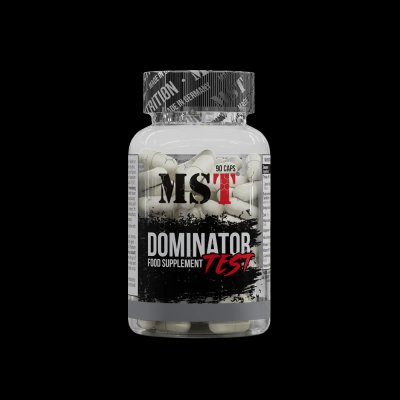 MST Dominator Test€28.90 In stock 90caps in the testosterone booster category.
Honest Verdict
Plant-based testosterone boosters used at label doses are generally well tolerated for short to medium periods (up to 12 weeks) in healthy adult men. Long-term safety data beyond this window is limited. Micronutrient components like zinc and vitamin D are safe when kept within established upper limits. Cycling herbal extracts periodically is a reasonable precautionary measure given the evidence gaps. These supplements work best as part of a holistic approach: resistance training, adequate sleep, and proper nutrition remain the most evidence-backed pillars of hormonal health.
FAQ
Can I take testosterone boosters every day for a year?
Formal safety data beyond 12 weeks is limited. Micronutrient components (zinc, vitamin D) at label doses are generally safe for longer periods within tolerable upper limits. For herbal extracts, periodic breaks of 4-6 weeks per 8-12 week use cycle are a prudent precaution given sparse long-term data.
Will testosterone boosters suppress my natural testosterone production?
Plant-based testosterone boosters do not contain synthetic hormones and are not expected to suppress the HPG axis the way anabolic steroids do. However, if you notice any adverse changes in mood, energy, or libido, discontinue use and consult a healthcare professional.
Who should avoid testosterone boosters?
Men with hormone-sensitive conditions, liver disease, or those on medications that affect hormone levels should avoid testosterone boosters without medical guidance. They are not appropriate for minors.
References
Prasad, A. S., Mantzoros, C. S., Beck, F. W., Hess, J. W., & Brewer, G. J. (2016). Zinc status and serum testosterone levels of healthy adults. Nutrition, 12(5), 344-348. https://doi.org/10.1016/s0899-9007(96)80058-x
Lopresti, A. L., Drummond, P. D., & Smith, S. J. (2019). A randomized, double-blind, placebo-controlled, crossover study examining the hormonal and vitality effects of ashwagandha (Withania somnifera) in aging, overweight males. American Journal of Men's Health, 13(2), 1-15. https://pubmed.ncbi.nlm.nih.gov/30854916/



