
Testosterone Boosters for Women: Benefits & Considerations
Testosterone is often framed as an exclusively male hormone, but this is a significant oversimplification. Women produce testosterone in the ovaries and adrenal glands, and it plays genuine roles in libido, energy, muscle mass maintenance, bone density, and mood. The question of whether testosterone boosters — supplements designed to support or moderately raise testosterone levels — are relevant or appropriate for women is nuanced and worth examining carefully.
Why Women May Benefit: The Hormonal Context
In women, testosterone levels are substantially lower than in men — roughly 10–15 times lower on average — but they are not zero, and they matter. Testosterone contributes to anabolic processes (muscle protein synthesis), sexual desire, and certain aspects of cognitive and emotional wellbeing.
Testosterone declines in women with age, and the decline is often more abrupt in the perimenopause and menopause transition. Androgen insufficiency in women is a recognized clinical entity, though its diagnostic criteria remain debated. Some women with low-normal testosterone levels report fatigue, reduced libido, and difficulty maintaining muscle mass — symptoms that may be partly androgen-related.
Hormonal and Life-Stage Notes
The relevance of testosterone-supporting supplements varies significantly by life stage:
-
Premenopausal women: Natural testosterone production varies across the menstrual cycle. Testosterone-supporting supplements have not been well studied in this population, and their hormonal impact in women with normal testosterone function is unclear.
-
Perimenopausal and postmenopausal women: This is where the case for attention to androgen levels is clearest. Declining testosterone in this group may contribute to reduced muscle mass, decreased bone density, and lower libido. However, supplementation decisions in this context should ideally be discussed with a healthcare provider, as hormonal status varies considerably.
-
Athletes with high training loads: Overtraining and caloric restriction can suppress both male and female reproductive hormones. In women, this is a component of the Female Athlete Triad. Addressing the root cause (training balance, energy availability) is more important than supplementation.
What Testosterone Boosters Typically Contain
Over-the-counter testosterone booster products typically contain ingredients like:
- D-aspartic acid (DAA): An amino acid that may temporarily increase luteinizing hormone (LH) output, which could stimulate gonadal testosterone production. Evidence in men is mixed and short-term; evidence in women is nearly absent.
- Zinc: Deficiency is associated with reduced testosterone in men. Adequate zinc status is important for hormonal function, but supplementing above sufficiency does not raise testosterone further.
- Tribulus terrestris: Popular in traditional medicine; clinical evidence for testosterone-raising effects is weak to absent in controlled trials.
A systematic review of D-aspartic acid supplementation found significant heterogeneity in results and effects that appeared more relevant in hypogonadal populations than in healthy individuals (Willoughby & Leutholtz, 2013).
Dose Considerations for Women
No specific dosing guidelines for testosterone-boosting supplements exist for women. Given that women's androgen systems are substantially different from men's in sensitivity and regulation, products formulated for and studied in men cannot be assumed to behave identically in women.
The practical implication: if a woman considers any of these products, starting at the lower end of suggested doses is prudent. The goal for most women interested in these products is likely not to achieve male-range testosterone but to support overall hormonal resilience, muscle function, and energy within a normal female hormonal range.
Pregnancy and Safety Notes
Testosterone-boosting supplements are contraindicated in pregnancy. Androgen exposure during pregnancy is associated with virilization of female fetuses and other developmental risks. Anyone who is pregnant, trying to conceive, or breastfeeding should avoid these products entirely.
Women on hormonal contraceptives should be aware that supplements affecting the HPG axis (hypothalamic-pituitary-gonadal axis) could theoretically interact with hormonal contraception, though this has not been well studied.
For postmenopausal women on hormone replacement therapy (HRT), adding testosterone-affecting supplements without medical guidance adds hormonal complexity that is best managed with a prescribing doctor.
Bottom Line
Testosterone is relevant to women's health — the hormone is not male-only. However, over-the-counter testosterone boosters have very limited evidence in women specifically. The most evidence-based approaches to supporting female hormonal health remain: adequate protein intake, resistance training, sufficient sleep, appropriate caloric intake, and zinc/vitamin D sufficiency.
For women curious about these products, OstroVit D.A.A 3000mg 90caps and MST Testo Boost Professional 90caps are available at maxfit.ee. These are products studied primarily in men; use in women should be approached with appropriate expectations and ideally medical discussion. Mutant TEST 90 caps is another option in the category, and 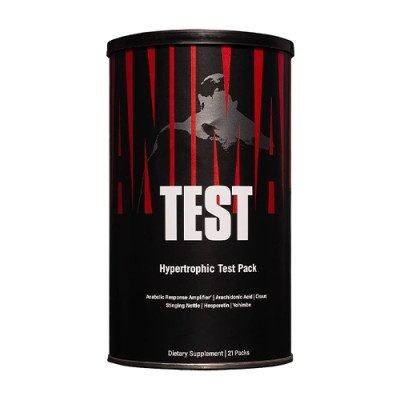 Universal Animal Test€97.90 In stock provides a comprehensive formula.
FAQ
Do women produce testosterone?
Yes. Women produce testosterone in the ovaries and adrenal glands. Levels are substantially lower than in men but not zero, and testosterone contributes to female libido, muscle maintenance, energy, and bone density. Levels decline with age, more sharply around menopause.
Are testosterone boosters safe for women?
At typical doses, the ingredients in most over-the-counter testosterone boosters (zinc, D-aspartic acid, tribulus) have not demonstrated serious safety issues in short-term use. However, they are not well studied in women, and the long-term hormonal effects in pre- and postmenopausal women are largely unknown. They are contraindicated in pregnancy.
Is zinc enough to support testosterone in women?
Zinc deficiency is associated with reduced androgen function. For women with confirmed low zinc intake, ensuring adequate zinc may support hormonal function. However, supplementing zinc beyond sufficiency does not raise testosterone above physiologically normal levels (Willoughby & Leutholtz, 2013).
References
Willoughby, D. S., & Leutholtz, B. (2013). D-Aspartic acid supplementation combined with 28 days of heavy resistance training has no effect on body composition, muscle strength, and serum hormones. Nutrition Research, 33(10), 803-810. https://pubmed.ncbi.nlm.nih.gov/24074738/
Davis, S. R., & Wahlin-Jacobsen, S. (2015). Testosterone in women - the clinical significance. The Lancet Diabetes and Endocrinology, 3(12), 980-992. https://pubmed.ncbi.nlm.nih.gov/26358173/
Miller, K. K. (2001). Androgen deficiency in women. Journal of Clinical Endocrinology and Metabolism, 86(6), 2395-2401. https://pubmed.ncbi.nlm.nih.gov/11397829/



