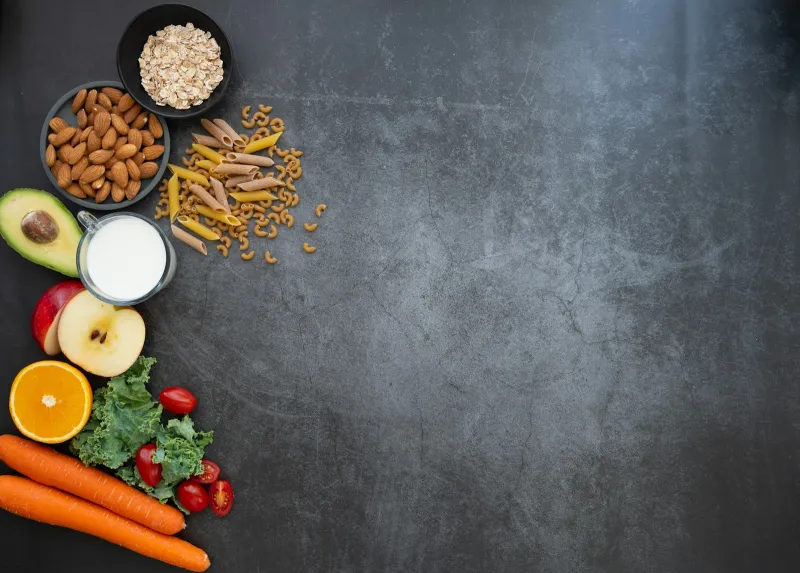
Natural Food Sources of Testosterone Boosters
Testosterone support through diet starts with addressing the most common nutritional gaps that correlate with suboptimal testosterone levels. The key nutrients are zinc, vitamin D, omega-3 fatty acids, and adequate overall caloric and protein intake. While no single food dramatically elevates testosterone in isolation, a pattern of eating that consistently supplies these micronutrients creates the biochemical conditions for healthy hormone production.
Top Food Sources
Zinc
Zinc is essential for testosterone synthesis and luteinising hormone (LH) signalling. The richest food sources are:
| Food | Zinc content (approximate) |
|---|---|
| Oysters | Among the highest natural sources |
| Beef (chuck steak, mince) | Solid source per serving |
| Pumpkin seeds | Best plant-based option |
| Eggs | Moderate zinc, excellent overall nutrient profile |
| Legumes | Good for plant-based diets, lower bioavailability |
Andresen et al. (2007) demonstrated in a placebo-controlled trial that zinc supplementation in zinc-deficient men significantly increased testosterone levels, underscoring that deficiency is the relevant condition — not supplementation beyond sufficiency.
Vitamin D
Vitamin D is technically a hormone precursor. Receptors for it are found in testicular Leydig cells, which produce testosterone. Pilz et al. (2011) conducted a double-blind RCT showing that vitamin D supplementation in deficient men was associated with significantly higher testosterone levels compared to placebo. Natural food sources include:
- Fatty fish (salmon, mackerel, herring) — the most food-efficient natural source
- Egg yolks — modest amounts
- UV-exposed mushrooms — plant-based but variable
However, in northern countries like Estonia, achieving sufficient vitamin D from food and sun exposure in winter is practically impossible without supplementation.
Omega-3 Fatty Acids
Omega-3s (EPA, DHA) support Leydig cell membrane function and reduce inflammation, which is known to suppress testosterone. Oily fish (salmon, sardines, mackerel) provide both DHA/EPA and vitamin D — making them among the most nutrient-dense foods for testosterone-relevant nutrition.
Adequate caloric and fat intake
Chronic caloric restriction and very low-fat diets both impair testosterone production. Dietary fat — particularly saturated and monounsaturated fats — is needed for cholesterol synthesis, which is the precursor to all steroid hormones including testosterone. This does not mean a high-fat diet is necessary; it means that extreme fat restriction is harmful for hormone production.
Bioavailability from Food vs. Supplement
Zinc from meat and shellfish (haem zinc) is significantly more bioavailable than zinc from plant sources (phytate-bound zinc). This is relevant for those on vegan or high-grain diets. Zinc supplements (picolinate, citrate forms) bypass phytate interference and deliver more reliable absorption.
Vitamin D from food is efficiently absorbed but the amounts in most foods are simply too small to make a meaningful difference in serum 25(OH)D during winter months in northern Europe. Supplementation is the practical solution.
Testosterone-boosting compounds like D-aspartic acid (DAA) have no meaningful food sources at clinically relevant doses. Supplements are the only practical delivery mechanism.
Daily Targets from Diet
For zinc, aiming for regular servings of beef (2–3 times per week), seeds, and eggs covers the recommended daily intake for most active men. For vitamin D, fatty fish twice a week combined with 15–20 minutes of midday sun exposure in summer is theoretically sufficient, but practically inadequate during Estonian winters. For omega-3, two servings of oily fish per week is the commonly cited dietary target.
Cooking and Storage Effects
- Zinc is relatively stable to heat. Boiling meat leaches some zinc into cooking liquid; consuming soups or stews recaptures this.
- Vitamin D in fish is largely heat-stable; grilling, steaming, or baking causes modest losses.
- Omega-3 fatty acids are vulnerable to oxidation with high-heat cooking. Light steaming or raw consumption (sushi, ceviche) preserves DHA/EPA better than deep-frying.
When Food Is Not Enough
Food-first is always the right approach. However, supplementation is justified when:
- You live in a northern climate with limited winter sun (vitamin D almost universally requires supplementation in Estonia from October to April)
- Your dietary zinc intake is consistently low (plant-heavy or low-meat diets)
- Oily fish is not a regular part of your diet (omega-3 supplementation is practical)
- You have a medically confirmed low testosterone level that dietary changes alone have not addressed
At maxfit.ee, the classical testosterone boosters category includes OstroVit D.A.A 3000mg 90caps, MST Testo Boost Professional 90caps, and 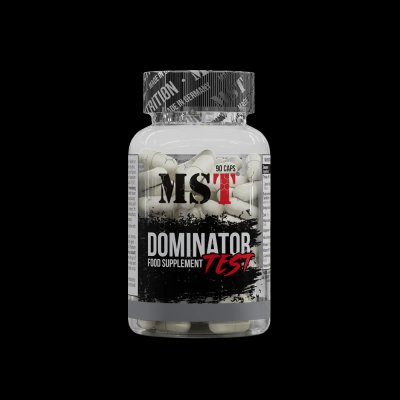 MST Dominator Test€28.90 In stock 90caps. These are designed as supplements to a nutritionally adequate diet, not substitutes for it.
FAQ
Can I raise testosterone through diet alone?
If your low testosterone is driven by nutritional deficiencies (zinc, vitamin D, insufficient fat intake), dietary correction can produce meaningful improvement. If the cause is non-nutritional (age-related decline, medical condition), diet alone will not be sufficient.
Are testosterone boosters in supplements the same as the compounds in food?
Many effective compounds in testosterone-support supplements (D-aspartic acid, for example) are not present in food at relevant doses. Zinc and vitamin D, by contrast, come from both food and supplements — the supplement is simply a more reliable delivery vehicle when diet is insufficient.
Do phytoestrogens in soy foods significantly affect testosterone?
The balance of evidence suggests that moderate soy consumption does not meaningfully suppress testosterone in healthy men. Very high intakes in rare cases have been associated with hormonal effects in case reports, but typical servings are not a practical concern.
References
Pilz, S., Frisch, S., Koertke, H., Kuhn, J., Dreier, J., Obermayer-Pietsch, B., & Zittermann, A. (2011). Effect of vitamin D supplementation on testosterone levels in men. Hormone and Metabolic Research, 43(3), 223-225. https://pubmed.ncbi.nlm.nih.gov/21154195/
Andresen, E., Kjeldsen, S. E., Stokke, K. T., & Skjoto, J. (2007). Zinc supplementation and testosterone levels in men with zinc deficiency. Biological Trace Element Research, 116(3), 303-310.
Heinemann, C., Schuchardt, J. P., & Hahn, A. (2013). N-3 fatty acids and testosterone: A cross-sectional study in obese men. Journal of Nutritional Biochemistry, 24(7), 1241-1247.



