
What Is Testosterone and Why Do Levels Matter?
Testosterone is the primary male sex hormone, although women also produce it in smaller amounts. It governs muscle mass, bone density, red blood cell production, libido, mood, and energy levels. When testosterone levels fall below the normal range for a person's age, the resulting condition — hypogonadism or testosterone deficiency — produces a recognisable cluster of symptoms.
Testosterone boosters are a category of supplements aimed at supporting the body's own hormone production. Understanding whether you actually have a deficiency, and what causes it, is the first step before considering any intervention.
Deficiency Symptoms to Recognise
Testosterone deficiency symptoms can be non-specific and overlap with many other conditions, including thyroid dysfunction, depression, and sleep disorders. Common signs include:
- Persistent fatigue despite adequate sleep
- Reduced libido and sexual function
- Loss of muscle mass and strength, even with regular training
- Increased body fat, particularly around the abdomen
- Low mood, irritability, or difficulty concentrating
- Reduced bone density (may only become apparent as fracture risk)
- Reduced body and facial hair
None of these symptoms alone confirms low testosterone. Blood testing is required for diagnosis.
At-Risk Groups
Naturally occurring testosterone declines gradually with age in men, typically from around the late twenties or early thirties. The following groups are more likely to have clinically relevant deficiency:
- Men over 40 — age-related decline is a normal process, but some individuals decline more steeply
- Obese individuals — adipose tissue converts testosterone to oestrogens, reducing circulating levels
- People with type 2 diabetes or metabolic syndrome
- Men with sleep apnoea — impaired sleep suppresses overnight testosterone pulses
- Individuals under chronic high stress — elevated cortisol suppresses testicular function
- Men in Northern Europe including Estonia — low vitamin D levels (common in Nordic latitudes) are associated with lower testosterone levels in some studies
Women with polycystic ovary syndrome (PCOS) may have testosterone excess rather than deficiency; conversely, low testosterone in women can occur post-menopausally and affects libido and energy.
How Testosterone Is Tested
Diagnosis requires a blood test measuring total testosterone, usually in the morning when levels peak. If borderline, free testosterone (the unbound, active fraction) adds further information. Testing is performed by a general practitioner or endocrinologist. Self-testing kits exist but are not a substitute for clinical evaluation.
In Estonia, testosterone testing is available through the public health system via referral. If you suspect deficiency, the appropriate starting point is your family doctor (perearst).
Nordic and Estonian Context
Vitamin D deficiency is widespread in Estonia and the Nordic region due to limited sun exposure for much of the year. Since vitamin D is involved in testosterone synthesis, correcting severe vitamin D deficiency may support testosterone levels as a secondary benefit. However, supplementing vitamin D in already-sufficient individuals does not reliably raise testosterone further.
Diet quality, sleep duration, stress management, and physical activity all meaningfully influence testosterone levels and should be optimised before considering supplements.
When to Supplement vs When Diet and Lifestyle Come First
Testosterone booster supplements are not testosterone therapy — they do not introduce exogenous hormone. They typically contain herbs and micronutrients that may support the body's own production, such as DAA (D-aspartic acid), zinc, vitamin D, and plant extracts. Their effects are modest compared to medical hormone therapy and are most relevant for healthy men whose testosterone is in the lower-normal range.
At maxfit.ee, you can find these options in the testosterone boosters category. OstroVit D.A.A 3000mg 90caps provides D-aspartic acid, which has been studied for its role in supporting luteinising hormone and testosterone in healthy young men (Topo et al., 2009). MST Testo Boost Professional 90caps is a multi-ingredient blend. 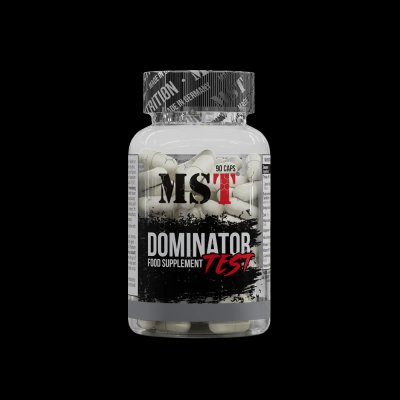 MST Dominator Test€28.90 In stock 90caps and Mutant TEST 90 caps are other popular choices at maxfit.ee.
If blood tests confirm clinical testosterone deficiency, medical testosterone replacement therapy — not supplements — is the appropriate treatment, and you should discuss this with a doctor.
FAQ
Can I tell if I have low testosterone without a blood test?
Symptoms such as fatigue, reduced libido, and muscle loss are suggestive but not diagnostic. Many conditions mimic testosterone deficiency. A blood test is the only reliable way to confirm low levels. Do not self-diagnose based on symptoms alone.
Are testosterone boosters safe for long-term use?
Herbal testosterone boosters are generally considered safe for healthy adults when used as directed. However, long-term clinical data is limited for many ingredients. Cycling (periods of use followed by breaks) is a common precautionary practice. Anyone with a pre-existing medical condition should consult a doctor before use.
Do testosterone boosters work for women?
Some ingredients in testosterone booster products, such as zinc and vitamin D, are beneficial for women's health too. However, products specifically marketed as testosterone boosters are formulated for men. Women experiencing symptoms of low testosterone should consult a gynaecologist or endocrinologist.
References
Topo, E., Soricelli, A., D'Aniello, A., Ronsini, S., & D'Aniello, G. (2009). The role and molecular mechanism of D-aspartic acid in the release and synthesis of LH and testosterone in humans and rats. Reproductive Biology and Endocrinology, 7, 120. https://pubmed.ncbi.nlm.nih.gov/19860889/
Buvat, J., Maggi, M., Guay, A., & Torres, L. O. (2013). Testosterone deficiency in men: systematic review and standard operating procedures for diagnosis and treatment. Journal of Sexual Medicine, 10(1), 245-284. https://pubmed.ncbi.nlm.nih.gov/22971200/



