Testosterone Boosters Benefits: Evidence-Backed Effects
Natural testosterone boosters are supplements marketed to support the body's own testosterone production rather than supplying exogenous hormones. The category encompasses a wide range of ingredients — D-aspartic acid (DAA), zinc, vitamin D, tribulus terrestris, ashwagandha, fenugreek, and others. Understanding which testosterone boosters benefits are genuinely supported by evidence — and which are marketing — is essential for making an informed purchase.
Primary Evidenced Benefits
Correcting Deficiency-Driven Suppression: Zinc
Zinc is an essential cofactor for testosterone synthesis. In men with frank zinc deficiency, supplementation can restore testosterone levels toward normal. Prasad et al. (1996) demonstrated that experimentally induced zinc deficiency in healthy young men led to significant suppression of serum testosterone, and repletion with zinc reversed this. Crucially, zinc supplementation does not raise testosterone above normal in men who are already zinc-sufficient. The benefit is specific to correcting a deficiency.
D-Aspartic Acid (DAA)
DAA is an amino acid that stimulates luteinising hormone (LH) release, which in turn signals the testes to produce testosterone. Topo et al. (2009) showed that DAA supplementation for 12 days increased serum testosterone and LH in healthy men. However, subsequent studies in resistance-trained athletes — who likely have optimised hormonal environments — did not consistently replicate these findings. The evidence for DAA is most compelling in sedentary or untrained men with lower baseline testosterone.
Ashwagandha
As covered in our ashwagandha article, Wankhede et al. (2015) and Ambiye et al. (2013) both recorded testosterone-related benefits in RCTs — improved reproductive hormone levels in stressed or subfertile men, and improved strength outcomes associated with anabolic hormone changes in resistance-trained men. Ashwagandha is the most robustly evidenced botanical ingredient for testosterone-adjacent outcomes.
Secondary and Emerging Effects
- Tribulus terrestris: marketed heavily, but controlled trials in healthy men consistently show no significant effect on testosterone or body composition beyond placebo. Evidence is weak (Rogerson et al., 2007).
- Fenugreek: some small RCTs suggest modest free testosterone increases in men, possibly via inhibition of aromatase or 5-alpha reductase, but effect sizes are modest and replication is limited.
- Vitamin D: men who are vitamin D deficient and supplement to replete levels may see modest testosterone improvement; in vitamin D-sufficient men, supplementation does not consistently raise testosterone.
Where Evidence Is Weak
Many commercial testosterone boosters combine 10–15 ingredients at sub-research doses. Individual ingredient evidence — where it exists — was obtained at doses typically higher than those found in proprietary blends. Products relying solely on tribulus or unnamed herbal complexes have the weakest evidence base.
Marketing claims such as "increases testosterone by X%" are often derived from studies in deficient or sedentary populations and are not representative of what a healthy, well-trained athlete can expect.
Who Gains Most
Testosterone booster benefits are most pronounced in:
- Men with confirmed or suspected zinc or vitamin D deficiency (common in colder-climate countries like Estonia, especially through winter).
- Older men (35+) with age-related hormonal decline who are not on medical testosterone therapy.
- Men under significant chronic physiological or psychological stress (elevated cortisol suppresses testosterone).
- Men with below-normal baseline testosterone who prefer to explore non-prescription options first.
Young, healthy, well-trained men with normal hormonal profiles are the least likely to see measurable testosterone changes from these supplements.
Realistic Expectations
No natural supplement raises testosterone to the pharmacological levels achieved by prescription therapy. The realistic benefit of evidence-backed ingredients is supporting the body's own hormonal environment — correcting deficiencies, reducing cortisol that suppresses testosterone, or mildly stimulating LH signalling. Think optimisation within normal physiological range, not pharmacological enhancement.
At maxfit.ee the klassikalised-testosterooni-tostjad category includes OstroVit D.A.A 3000mg 90caps for standalone DAA, MST Testo Boost Professional 90caps and 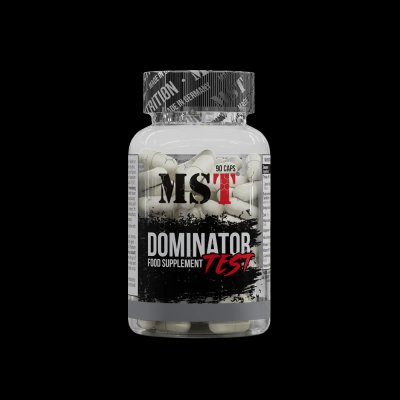 MST Dominator Test€28.90 In stock 90caps as formulated boosters.
 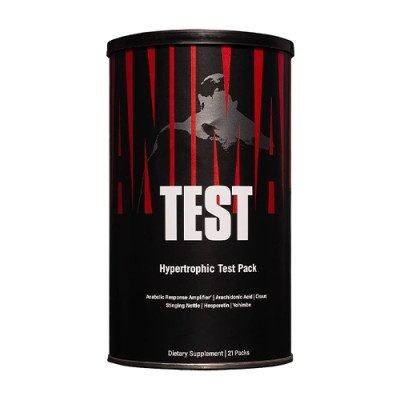 Universal Animal Test€97.90 In stock and Mutant TEST 90 caps are comprehensive blends designed for experienced athletes.
FAQ
Do testosterone boosters actually work?
Some ingredients have legitimate, albeit modest, evidence for supporting testosterone in specific populations. Zinc corrects deficiency-driven suppression; ashwagandha shows effects in stressed men; DAA shows promise in sedentary men with lower baseline hormones. Multi-ingredient blends at low doses per ingredient have the weakest evidence. Realistic expectations are key.
Are testosterone boosters safe?
Ingredients at label doses found in typical supplements are generally considered safe for short-to-medium term use in healthy adults. Long-term safety data for complex multi-ingredient products are limited. Men with hormonal conditions should consult a doctor before use.
How long should I take a testosterone booster?
Most trials showing effects ran for four to twelve weeks. Cycling (for example, eight weeks on and four weeks off) is a common practice, though there is limited clinical evidence specifically supporting this approach. Monitoring how you feel and whether subjective outcomes (energy, mood, training recovery) improve is the practical guide.
References
Prasad, A. S., Mantzoros, C. S., Beck, F. W., Hess, J. W., & Brewer, G. J. (1996). Zinc status and serum testosterone levels of healthy adults. Nutrition, 12(5), 344–348. https://pubmed.ncbi.nlm.nih.gov/8875519/
Topo, E., Soricelli, A., D'Aniello, A., Ronsini, S., & D'Aniello, G. (2009). The role and molecular mechanism of D-aspartic acid in the release and synthesis of LH and testosterone in humans and rats. Reproductive Biology and Endocrinology, 7, 120. https://pubmed.ncbi.nlm.nih.gov/19860889/
Rogerson, S., Riches, C. J., Jennings, C., Weatherby, R. P., Meir, R. A., & Marshall-Gradisnik, S. M. (2007). The effect of five weeks of tribulus terrestris supplementation on muscle strength and body composition during preseason training in elite rugby league players. Journal of Strength and Conditioning Research, 21(2), 348–353. https://pubmed.ncbi.nlm.nih.gov/17530942/



