
How to Maximize Testosterone Boosters Absorption
Testosterone boosters absorption is determined not only by the product itself — but also by when and how it is taken. This article covers the main factors limiting absorption and practical ways to overcome them.
What Limits Absorption
Most popular testosterone boosters contain herbal extracts (e.g. Tribulus terrestris, D-aspartic acid, fenugreek etc.), zinc and magnesium. The bioavailability of these compounds is influenced by several factors:
- Food interactions: Many herbal extract supplements absorb better with food due to increased gastrointestinal blood flow. Phytates can reduce zinc absorption.
- Competing minerals: Zinc and iron compete for the same absorption sites. Consuming iron-rich foods (e.g. red meat) at the same time may reduce zinc absorption.
- Magnesium absorption modifiers: High vitamin D doses promote magnesium absorption; excess calcium may inhibit it.
Cofactors That Help
Certain nutrients act as synergists for testosterone boosters:
Zinc and vitamin D are the two best-evidenced micronutrients for maintaining normal testosterone levels. Zinc deficiency is associated with lower testosterone (Prasad et al., 1996). Vitamin D acts as a steroid hormone precursor, and adequate levels are linked to better hormonal profiles (Pilz et al., 2011).
Magnesium is also a key cofactor — its associations with testosterone levels are documented in athletes (Cinar et al., 2011).
OstroVit D.A.A 3000mg 90caps and MST Testo Boost Professional 90caps are specific testosterone-support products containing multiple active components. 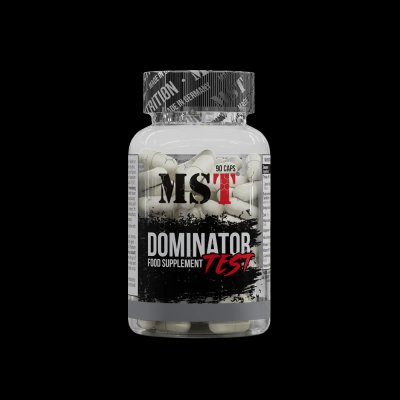 MST Dominator Test€28.90 In stock 90caps and Mutant TEST 90 caps are also available at maxfit.ee.
Form and Timing Effects
Capsules vs powder — meaningful bioavailability differences are generally absent, although liquid extracts theoretically absorb faster. From a practical standpoint, consistency matters more than form.
Timing: D-aspartic acid is often taken in the morning, reflecting higher natural testosterone levels during the day. Zinc and magnesium are more effective in the evening — consistent with the ZMA protocol.
Food Pairings
- Healthy fats (avocado, olive oil, nuts) support steroid hormone synthesis, as cholesterol is required for their production.
- Limit heavily processed foods, which may increase oestrogen-disrupting compounds (phthalates, BPA).
- Consuming zinc-rich foods (pumpkin seeds, shellfish) reduces the need for high supplemental doses.
Practical Tips
- Take testosterone boosters with a fat-containing meal for better absorption.
- Do not take iron supplements at the same time — wait at least two hours.
- Ensure adequate vitamin D and zinc levels — these are cofactors, not optional extras.
- Take magnesium preferably in the evening — it also supports sleep quality.
- Be consistent: adaptogenic effects typically manifest over 4–8 weeks.
FAQ
Do testosterone boosters work better on an empty stomach?
Generally not — products containing herbal extracts absorb better with food, especially fat-containing meals. Gastric irritation is also more common on an empty stomach.
Are testosterone boosters equally effective in older men?
In men whose testosterone has declined due to nutrient deficiencies, replenishing cofactors may be beneficial. In hormonally healthy men, the effect is more modest.
Does vitamin D improve testosterone booster efficacy?
Yes, indirectly — adequate vitamin D levels are associated with better testosterone profiles (Pilz et al., 2011), and correcting a deficiency is independently beneficial.
References
Prasad, A. S., Mantzoros, C. S., Beck, F. W., Hess, J. W., & Brewer, G. J. (1996). Zinc status and serum testosterone levels of healthy adults. Nutrition, 12(5), 344–348. https://pubmed.ncbi.nlm.nih.gov/8875519/
Pilz, S., Frisch, S., Koertke, H., Kuhn, J., Dreier, J., Obermayer-Pietsch, B., Wehr, E., & Zittermann, A. (2011). Effect of vitamin D supplementation on testosterone levels in men. Hormone and Metabolic Research, 43(3), 223–225. https://pubmed.ncbi.nlm.nih.gov/21154195/
Cinar, V., Polat, Y., Baltaci, A. K., & Mogulkoc, R. (2011). Effects of magnesium supplementation on testosterone levels of athletes and sedentary subjects at rest and after exhaustion. Biological Trace Element Research, 140(1), 18–23. https://pubmed.ncbi.nlm.nih.gov/20352370/



