Taurine Myths vs Facts: What the Evidence Actually Shows
Taurine is one of the most abundant amino acids in the human body and a staple ingredient in energy drinks and standalone supplements. Yet it attracts a remarkable amount of misinformation. If you have heard that taurine comes from bull urine, that it is banned in some countries, or that it turns you into an anxious wreck, this guide is for you.
Common Myths About Taurine
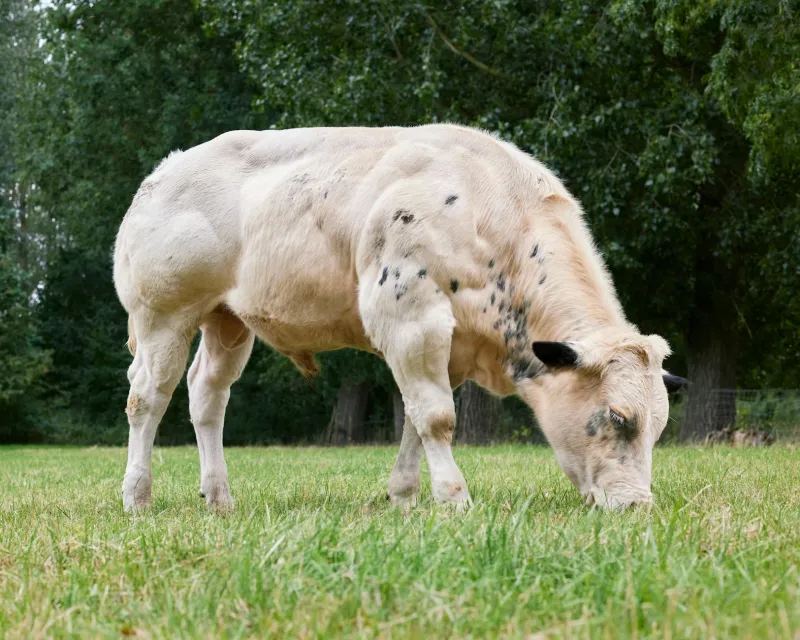
Myth 1: Taurine Is Extracted from Bull Urine or Bull Semen
This is perhaps the most persistent urban legend about taurine. The name derives from Taurus (Latin for bull), because taurine was first isolated from ox bile in 1827. Modern commercial taurine is produced almost entirely by chemical synthesis, not from any animal source. Virtually every supplement on the market — including MST Taurine 120caps and OstroVit Taurine 1500mg 120caps — contains synthetically manufactured taurine. It is also suitable for vegans.
Myth 2: Taurine in Energy Drinks Is What Makes You Wired
Caffeine is responsible for the stimulating effect of energy drinks. Taurine itself is not a stimulant. In the body it acts more like a neuromodulator, influencing GABA receptors and helping to regulate cellular excitability. Studies suggest it may actually have a mild calming influence rather than an excitatory one (Ripps & Shen, 2012).
Myth 3: Taurine Is an Essential Amino Acid You Must Supplement
Taurine is a conditionally essential amino acid — the body can synthesise it from cysteine and methionine. Most people eating a mixed diet produce adequate amounts. Supplementation may be relevant for vegans (whose dietary intake is lower) or for specific performance or health goals, but it is not universally necessary.
Myth 4: High Doses Are Dangerous
Current evidence does not support this claim. A large review concluded that taurine supplementation appears safe at commonly used doses, with no serious adverse events reported in the studies examined (Shao & Hathcock, 2008). That said, consuming very high amounts over long periods has not been thoroughly studied, so moderation is sensible.
What the Evidence Actually Shows
So what does taurine genuinely do? Research points to a few well-supported roles:
- Antioxidant support in muscle tissue. Taurine appears to reduce exercise-induced oxidative stress in muscle cells. A randomised trial found that supplementation was associated with lower markers of oxidative damage after eccentric exercise (Ra et al., 2013).
- Cardiovascular function. Taurine is highly concentrated in heart muscle and plays a role in regulating heart rhythm and blood pressure. Observational and intervention data are consistent on this point, though effect sizes in healthy people are modest.
- Eye health. Taurine is the most abundant amino acid in the retina, where it has a structural and protective role (Ripps & Shen, 2012).
Some marketing claims go further — that taurine dramatically boosts exercise performance or fat burning. The evidence here is more mixed and effect sizes in well-controlled human trials tend to be small.
Grey Areas
Research on taurine and cognitive performance, lifespan extension, or significant fat loss in humans is still preliminary. Some animal studies are promising, but extrapolating directly to human supplementation at typical doses is not warranted. Claims based on rodent studies using doses far above what humans take should be read with scepticism.
Marketing Claims vs Reality
Energy drink marketing often implies taurine is responsible for sustained mental energy or athletic edge. The truth is that most energy drink studies cannot separate caffeine effects from taurine effects. In isolation, taurine at typical doses (1,000–2,000 mg) has modest, real but not dramatic effects in most healthy people.
If you are interested in exploring taurine as a supplement, options available at maxfit.ee include MST Taurine 240caps, OstroVit Taurine 300g, and NOW Taurine 500mg 100 veg caps. Check the product page for per-serving amounts.
Bottom Line
Taurine is not extracted from animals, is not a stimulant, and is generally well tolerated. It has legitimate biological roles — particularly in cardiovascular tissue, the retina, and muscle. The strongest evidence supports antioxidant and cardiovascular functions. Performance claims are real but modest. Approach superhuman-performance marketing language with appropriate scepticism.
References
Ripps, H., & Shen, W. (2012). Review: Taurine: A very essential amino acid. Molecular Vision, 18, 2673-2686. https://pubmed.ncbi.nlm.nih.gov/23170060/
Ra, S. G., Miyazaki, T., Ishikura, K., Nagayama, H., Komine, S., Nakata, Y., Maeda, S., & Matsuzaki, Y. (2013). Additional effects of taurine on the benefits of BCAA intake for the delayed-onset muscle soreness and muscle damage induced by high-intensity eccentric exercise. Advances in Experimental Medicine and Biology, 776, 179-187. https://pubmed.ncbi.nlm.nih.gov/23392882/
Shao, A., & Hathcock, J. N. (2008). Risk assessment for the amino acids taurine, L-glutamine and L-arginine. Regulatory Toxicology and Pharmacology, 50(3), 376-399. https://pubmed.ncbi.nlm.nih.gov/18325648/
FAQ
Is taurine vegan-friendly?
Yes. Commercially produced taurine is synthesised chemically and does not contain any animal-derived ingredients. It is suitable for vegans.
Does taurine keep you awake?
No. Taurine is not a stimulant. The alertness from energy drinks comes from caffeine, not taurine. Taurine may actually support a calmer neurological state.
How much taurine is typically used in studies?
Most human studies use between 1,000 mg and 3,000 mg per day, often taken with meals. Always follow the dosing guidance on the product you choose.



