
Silicon for Vegans & Vegetarians
Silicon -- not to be confused with the synthetic polymer silicone -- is the second most abundant element in the Earth's crust and a trace mineral present in significant amounts in many plant foods. For vegans and vegetarians, this is good news: a varied plant-based diet provides substantial silicon without any need for supplementation in most cases.
Why Plant-Based Diets Tend to Be Naturally High in Silicon
Silicon is found predominantly in the fibrous outer layers of plant foods: cereal grain husks, whole grains, root vegetables, and certain herbs. The richest dietary sources include whole oats, barley, rice (particularly brown rice), bananas, root vegetables such as beetroot, and beverages such as beer (from the barley husk) and mineral water with high silica content.
Animal products, by contrast, are relatively poor sources. Vegans and vegetarians who eat a varied diet with whole grains and vegetables typically have higher dietary silicon intake than omnivores who consume more processed foods or animal proteins.
This creates an interesting contrast to many other micronutrients: rather than a vegan shortfall, silicon often represents a vegan advantage.
Dose Targets and Research Context
There is no established RDA for silicon because a clinical deficiency syndrome has not been identified in humans under normal dietary conditions. The estimated average daily intake from food in Western populations ranges from approximately 20 mg to 50 mg per day, with higher intakes observed in populations eating more whole plant foods.
A study by Jugdaohsingh et al. (2004) examined dietary silicon intake in a large UK cohort and found that higher silicon intake was positively associated with higher bone mineral density in premenopausal women, suggesting a role in skeletal health. The proposed mechanism involves silicon's participation in collagen cross-linking and bone matrix mineralisation.
For hair and nail health, orthosilicic acid (the bioavailable form of silicon) has been studied in a double-blind placebo-controlled trial by Barel et al. (2005), which found improvements in hair tensile strength and nail brittleness over a twenty-week supplementation period. These are modest and specific outcomes; silicon is not a broad panacea.
What to Combine Silicon With
If supplementation is chosen, orthosilicic acid (stabilised with choline) is the most bioavailable form studied in clinical research. Combining it with collagen precursors (glycine, proline, vitamin C) may offer complementary support for connective tissue.
At maxfit.ee, the nahale juustele ja kuuntele category includes OstroVit Collagen + Vitamin C 400g Ananass and MST Fish collagen + Verisol 500ml Metsik kirss (note: fish-derived collagen is not vegan), alongside vegan-suitable options like 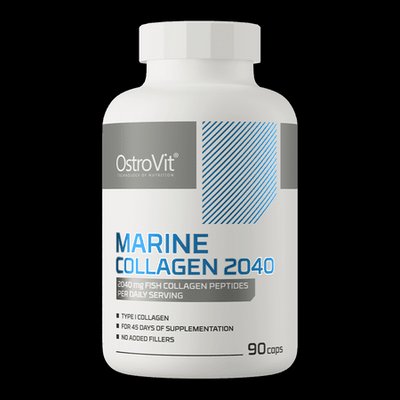 OstroVit Marine Collagen€13.90 In stock 2040mg 90caps -- always confirm the species source. For vitamin C synergy, options in the c-vitamiini kategooria pair well.
Choosing a Silicon Supplement
| Criteria | What to look for |
|---|---|
| Form | Orthosilicic acid (bioavailable) vs. silicon dioxide (less absorbed) |
| Capsule shell | HPMC or pullulan for vegans |
| Dose | Doses used in research are typically 10-30 mg orthosilicic acid per day |
| Vegan confirmation | No gelatin, no animal-derived excipients |
Food-first is the principle here: for most plant-based eaters, the dietary contribution is already meaningful and supplementation is a targeted choice rather than a necessity.
References
Jugdaohsingh, R., Anderson, S. H., Tucker, K. L., Elliott, H., Kiel, D. P., Thompson, R. P., & Powell, J. J. (2004). Dietary silicon intake and absorption. The American Journal of Clinical Nutrition, 75(5), 887-893.
Barel, A., Calomme, M., Timchenko, A., De Paepe, K., Demeester, N., Rogiers, V., Clarys, P., & Vanden Berghe, D. (2005). Effect of oral intake of choline-stabilized orthosilicic acid on skin, nails and hair in women with photodamaged skin. Archives of Dermatological Research, 297(4), 147-153. https://pubmed.ncbi.nlm.nih.gov/16205932/
FAQ
Do vegans get enough silicon from food?
Generally yes -- plant foods (whole grains, root vegetables, bananas) are the richest dietary sources. Vegans who eat a varied whole-food diet typically have higher silicon intake than those eating predominantly animal products or refined foods.
What is the difference between silicon and silicone?
Silicon is a natural trace mineral element (Si) found in plant foods and involved in biological processes. Silicone is a synthetic polymer made from silicon combined with oxygen and carbon. They are completely different substances.
Is orthosilicic acid safe?
Orthosilicic acid at doses used in clinical trials appears safe for short-term use in healthy adults. Long-term safety data are limited, but silicon consumed through food -- even at relatively high intakes -- has no established toxicity in humans.



