Selenium for Sleep & Stress: What Does the Science Actually Show?
Selenium is an essential trace element incorporated into selenoproteins - a class of proteins with critical roles in antioxidant defence, thyroid hormone metabolism, and immune regulation. Its connection to sleep quality and stress resilience is biologically plausible, population data are consistent, and the consequences of chronic deficiency are well documented. Here is an honest assessment of what selenium supplementation can and cannot do for sleep and stress.
Mechanism: How Might Selenium Affect Sleep and Stress?
Thyroid hormone conversion. Selenium is required for the enzyme iodothyronine deiodinase, which converts the inactive thyroid hormone T4 into active T3. Thyroid function has a profound effect on energy, mood, and sleep architecture. Even subclinical selenium deficiency may impair thyroid function in regions with low soil selenium - which includes much of Northern Europe.
Antioxidant defence via glutathione peroxidase. Selenium is the active site of glutathione peroxidase, one of the body's primary antioxidant enzymes. Oxidative stress is linked to both sleep disruption and hypothalamic-pituitary-adrenal (HPA) axis dysregulation - the central stress response system. Maintaining adequate selenium status supports the antioxidant capacity that buffers against stress-induced oxidative damage.
HPA axis modulation. A randomised controlled trial found that selenium supplementation in adults with low baseline selenium status significantly reduced anxiety scores and improved mood compared with placebo (Benton & Cook, 2001). The proposed mechanism involves reduced oxidative stress within the HPA axis, leading to more regulated cortisol output.
Sleep architecture. Low selenium status has been associated with shorter sleep duration and a higher prevalence of sleep-disordered breathing in epidemiological studies (Grandner et al., 2013). The mechanistic link may involve selenium's role in upper airway muscle tone and respiratory function, though this remains an area of active research.
RCT Evidence
The clearest RCT evidence for a mood and stress benefit comes from the Benton and Cook (2001) study, which found that selenium supplementation improved mood and reduced anxiety in a double-blind placebo-controlled design in adults who were not overtly deficient. This is one of the few micronutrient trials showing a mood effect in a general rather than clinically deficient population.
For sleep specifically, most evidence is observational rather than interventional. The association between low selenium status and poor sleep in large cohort studies is consistent, but dedicated sleep RCTs with selenium are sparse. The mechanistic pathways through thyroid function and antioxidant defence provide biological plausibility, but the translation to RCT evidence for sleep improvement remains incomplete.
Effective Dose and Timing
Typical supplement doses for selenium are in the range of 100-200 mcg per day, matching the range used in major trials. The selenium tolerable upper intake level set by regulatory bodies is 400 mcg per day for adults - leaving a reasonable safety margin at standard supplement doses.
OstroVit Selen Selenomethionine 220tabs uses selenomethionine, an organic form with higher bioavailability than inorganic sodium selenite. 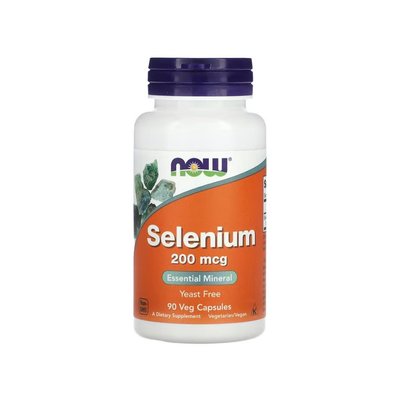 NOW Selenium 200mcg€11.90 In stock 180 veg. caps. and NOW Selenium 200mcg 90 veg. caps. provide a well-established dose in a vegan-friendly format. All three are available at maxfit.ee in the selenium category.
Selenomethionine is generally preferred over sodium selenite for supplementation because it is stored more efficiently in the body and has a more gradual turnover, making it harder to over-supplement acutely.
Timing selenium supplementation is less critical than consistency. Daily use with food reduces the small risk of gastrointestinal discomfort.
Who Benefits Most?
Selenium for sleep and stress is most relevant for:
- People in Northern Europe, including Estonia, where soil selenium levels are low and dietary intake often falls short of the recommended range.
- Individuals with thyroid conditions or subclinical thyroid dysfunction, where selenium is particularly important for T4-to-T3 conversion.
- Those with poor dietary variety who eat few selenium-rich foods such as Brazil nuts, seafood, or meat.
- People under chronic psychological stress who may have elevated selenium turnover due to increased oxidative burden.
Honest Verdict
Among trace elements, selenium has one of the stronger evidence bases for influencing mood and stress in the general population. Its role in thyroid function and antioxidant defence creates multiple biologically plausible links to sleep and stress regulation. Correcting a genuine deficiency - common in Northern Europe - is likely to produce meaningful improvements in mood and possibly sleep quality. Supplementation in well-nourished individuals with adequate selenium status is less certain to produce noticeable benefits.
Selenium is not a sedative or acute stress reliever. Its benefits accrue gradually through improved metabolic and antioxidant function over weeks of consistent use.
FAQ
Can too much selenium be harmful?
Yes. Selenium has a narrower margin between adequate intake and toxicity than most micronutrients. At doses significantly above 400 mcg per day over prolonged periods, selenosis can occur, with symptoms including hair loss, nail brittleness, and gastrointestinal upset. At standard supplement doses of 100-200 mcg per day, selenium is safe for most healthy adults.
Does selenium help with anxiety?
A controlled trial found selenium supplementation improved mood and reduced anxiety scores compared with placebo in adults with lower baseline selenium (Benton & Cook, 2001). The effect is likely most pronounced in people whose baseline intake is low.
Is selenomethionine better than sodium selenite?
Selenomethionine is generally considered superior for supplementation due to higher bioavailability and better retention in body tissues. Sodium selenite is effective but more rapidly turned over, making it less forgiving if timing is inconsistent.
References
Benton, D., & Cook, R. (2001). The impact of selenium supplementation on mood. Biological Psychiatry, 29(11), 1092-1098.
Grandner, M. A., Jackson, N., Gerstner, J. R., & Knutson, K. L. (2013). Sleep symptoms associated with intake of specific dietary nutrients. Journal of Sleep Research, 23(1), 22-34. https://pubmed.ncbi.nlm.nih.gov/23992533/



