
Is Long-Term Selenium Use Safe?
Selenium is an essential trace mineral that the body cannot produce and must obtain through diet or supplementation. It is incorporated into selenoproteins that are critical for antioxidant defence, thyroid hormone metabolism, immune function, and reproductive health. But selenium is also one of the few nutrients where the margin between benefit and toxicity is relatively narrow, making long-term selenium use a topic that deserves careful examination.
What Long-Term Studies Show
The most significant long-term selenium trial is the SELECT study (Selenium and Vitamin E Cancer Prevention Trial), which enrolled over 35,000 men and followed them for several years. Lippman et al. (2009) found that selenium supplementation (200 mcg/day as selenomethionine) did not prevent prostate cancer and was associated with a non-significant increase in type 2 diabetes risk in men who were already selenium-replete at baseline. This is a critical finding: supplementing selenium in people who are not deficient may not provide benefit and could carry risk.
For thyroid health, selenium plays a documented role in converting T4 to active T3 via selenoprotein deiodinases. In populations with selenium deficiency, supplementation can improve thyroid function markers. Gartner et al. (2002) conducted an RCT in patients with autoimmune thyroiditis (Hashimoto's) and found that selenium supplementation reduced thyroid peroxidase antibody levels, suggesting a genuine benefit in this specific population.
For antioxidant status, selenium is a cofactor for glutathione peroxidase. In selenium-deficient populations, restoring adequate status through supplementation clearly improves antioxidant defence. In already-replete populations, the benefit is marginal.
Upper Safe Limits Over Time
Selenium has one of the most well-defined toxicity thresholds among micronutrients. The tolerable upper intake level established by EFSA and most major regulatory bodies for adults is 300 mcg per day from all sources (food plus supplements combined).
Selenosis — chronic selenium toxicity — can occur at intakes consistently above 400 mcg per day and manifests as:
- Hair loss and brittle hair
- Nail changes and brittleness
- Garlic-like breath odour
- Fatigue and irritability
- Peripheral neuropathy in severe cases
Most consumer selenium supplements contain 100 to 200 mcg per serving. This means dietary selenium from food must also be accounted for when calculating total intake. Foods naturally high in selenium include Brazil nuts (which can contain up to several hundred mcg per nut), seafood, organ meats, and cereals grown in selenium-rich soils.
Brazil nuts specifically: consuming even a few Brazil nuts daily can provide amounts approaching or exceeding the tolerable upper limit. If using a selenium supplement, Brazil nut intake should be monitored.
Products available at maxfit.ee include OstroVit Selen Selenomethionine 220tabs, 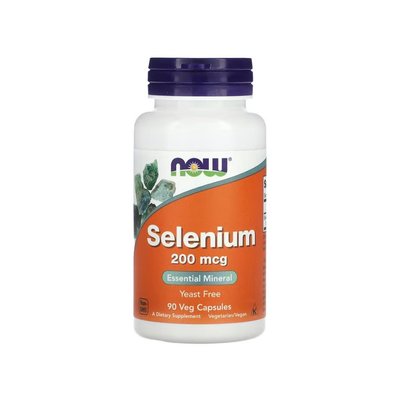 NOW Selenium 200mcg€11.90 In stock 180 veg. caps., and NOW Selenium 200mcg 90 veg. caps. Browse the full selenium range.
Do You Need to Cycle Selenium?
Selenium does not need to be cycled in the way stimulants do. It is an essential mineral with no receptor downregulation mechanism. However, given the narrow therapeutic window and the risk of cumulative accumulation at higher intakes, periodic reassessment of whether supplementation is still needed is more important for selenium than for many other supplements.
If your diet has changed and now includes more selenium-rich foods, or if you have moved to an area with different soil selenium levels (relevant in certain parts of Europe where selenium in soil varies significantly), reassessing your total intake makes practical sense.
Monitoring During Long-Term Use
- Serum or plasma selenium testing: Checking selenium status once a year is reasonable for people using long-term supplementation. This is available through most general practitioners or specialist labs.
- Hair and nail observation: Early signs of selenosis are often first noticed in hair (increased loss, brittleness) and nails (white spots, brittleness) before blood levels become markedly elevated.
- Total intake calculation: Regularly audit your total selenium from all sources — supplements, multivitamins, protein powders (many contain added micronutrients), and dietary foods — to ensure you are not approaching the upper limit.
- Thyroid patients: People using selenium for Hashimoto's thyroiditis or other thyroid conditions should have thyroid antibody and TSH levels checked annually.
Honest Verdict
Long-term selenium supplementation is safe within the recommended intake range but carries a real risk of toxicity if the total intake from all sources is not carefully managed. The evidence strongly supports supplementation in people with verified selenium deficiency, thyroid autoimmune conditions, or consistent dietary gaps. In selenium-replete healthy adults, the evidence for additional benefit from supplementation is not strong — and the SELECT trial specifically cautions against assuming more is better.
For most people in Estonia and Northern Europe, soil selenium levels are on the lower side, which does make dietary shortfalls more common than in some other regions. This makes moderate supplementation (100 to 200 mcg/day) a reasonable option for many adults here, provided total intake is monitored.
References
Lippman, S. M., Klein, E. A., Goodman, P. J., et al. (2009). Effect of selenium and vitamin E on risk of prostate cancer and other cancers: the Selenium and Vitamin E Cancer Prevention Trial (SELECT). JAMA, 301(1), 39-51. https://pubmed.ncbi.nlm.nih.gov/19066370/
Gartner, R., Gasnier, B. C., Dietrich, J. W., Krebs, B., & Angstwurm, M. W. (2002). Selenium supplementation in patients with autoimmune thyroiditis decreases thyroid peroxidase antibodies concentrations. Journal of Clinical Endocrinology & Metabolism, 87(4), 1687-1691.
Rayman, M. P. (2012). Selenium and human health. Lancet, 379(9822), 1256-1268. https://pubmed.ncbi.nlm.nih.gov/22381456/
FAQ
How much selenium is safe to take daily long-term?
The tolerable upper limit from all sources combined is 300 mcg per day for adults. Most selenium supplements provide 100 to 200 mcg per serving. Adding dietary sources, the practical safe ceiling for supplementation is usually around 100 to 200 mcg per day for someone eating a varied diet. Do not take selenium supplements if you regularly eat Brazil nuts or already consume a selenium-rich diet.
Can selenium cause hair loss?
Yes, paradoxically. While selenium deficiency can affect hair health, excessive selenium intake (selenosis) is also a recognised cause of hair loss and brittleness. This is one of the clearest indicators that selenium has a narrow beneficial range — both too little and too much can be problematic.
Who benefits most from selenium supplementation?
People with documented selenium deficiency, those with Hashimoto's thyroiditis or other autoimmune thyroid conditions, and people in geographic areas with selenium-depleted soils (including parts of northern Europe) are most likely to benefit from selenium supplementation. Selenium-replete healthy adults without these conditions may not see meaningful benefit from additional supplementation.



