Selenium Interactions: Drugs, Nutrients & Foods
Selenium is a trace mineral incorporated into more than 25 selenoproteins, including glutathione peroxidase and thioredoxin reductase — enzymes central to antioxidant defence and thyroid hormone metabolism. Its selenium interactions matter because both deficiency and excess have measurable health consequences, and the margin between adequate and potentially harmful intake is narrower than for most minerals.
Drug Interactions
Thyroid medications (levothyroxine)
Selenium is essential for converting inactive thyroxine (T4) to active triiodothyronine (T3) via iodothyronine deiodinases. Individuals on levothyroxine who are selenium-deficient may have altered T4-to-T3 conversion, potentially affecting how well their dose controls hypothyroid symptoms. A meta-analysis by Wichman et al. (2016) found that selenium supplementation in autoimmune thyroiditis significantly reduced anti-TPO antibody levels, suggesting a clinically meaningful thyroid interaction. Adjustments to levothyroxine dose should only be made by a physician.
Chemotherapy agents (cisplatin)
Cisplatin is nephrotoxic and depletes selenium by forming platinum-selenium complexes. Some oncologists consider selenium status as part of supportive care, but co-administration with chemotherapy must always be cleared with the treating oncologist, as antioxidant supplementation can theoretically interfere with oxidative cancer cell death mechanisms.
Statin drugs
Statins modestly lower plasma selenium in some studies, possibly through effects on selenoprotein synthesis. The clinical significance at usual statin doses is uncertain and requires further research; routine selenium supplementation alongside statins is not currently standard practice.
Nutrient Interactions
Iodine
Selenium and iodine work together in thyroid hormone metabolism. Selenium deficiency with concurrent iodine deficiency is associated with more severe thyroid dysfunction than either alone, because selenium-dependent peroxidases protect thyroid tissue from hydrogen peroxide damage — damage that becomes more pronounced when iodine is pushed through the gland in excess. Ensuring both are adequate together supports thyroid health.
Vitamin E
Selenium and vitamin E share antioxidant functions and exhibit synergism: selenium-dependent glutathione peroxidase and vitamin E both protect cell membranes from lipid peroxidation. Deficiency in one can worsen the consequences of deficiency in the other.
Zinc
Very high zinc supplementation has been reported to competitively reduce selenium absorption at the intestinal level in animal models. At typical human supplement doses the interaction is minor, but high-dose zinc (well above recommended daily intake) used chronically warrants monitoring of selenium status.
Iron and vitamin C
Vitamin C at high doses may reduce selenate (the oxidised form) to selenite, which is generally well absorbed. High-dose non-haem iron may mildly compete with selenium absorption in some experimental models. Neither interaction is clinically significant at typical supplement doses.
Food Effects
The selenium content of plant foods depends heavily on the selenium content of the soil in which they are grown. Estonia, like much of Northern Europe, has selenium-poor soils, making dietary selenium intakes often lower than in selenium-rich regions.
- Brazil nuts: a single Brazil nut can contain highly variable amounts of selenium — sometimes well above the tolerable upper intake per nut, making them an unreliable source for precision dosing.
- Seafood, organ meats and eggs: reliable animal-sourced selenium.
- High-phytate foods (grains, legumes): phytate can mildly reduce selenium absorption when eaten simultaneously; this is a minor concern with a mixed diet.
Who Must Be Cautious
- High-dose users: selenium toxicity (selenosis) can develop. Symptoms include garlic breath odour, hair loss and neurological effects. Stay within recommended limits.
- Thyroid disease patients: given selenium's role in thyroid metabolism, supplementation should be discussed with an endocrinologist.
- Pregnant women: selenium is needed for foetal development but excess is harmful; stay within national dietary reference intake ranges.
Practical Rules
- Choose selenomethionine — the organic form found in OstroVit Selen Selenomethionine 220tabs — which has higher and more consistent bioavailability than inorganic selenite or selenate.
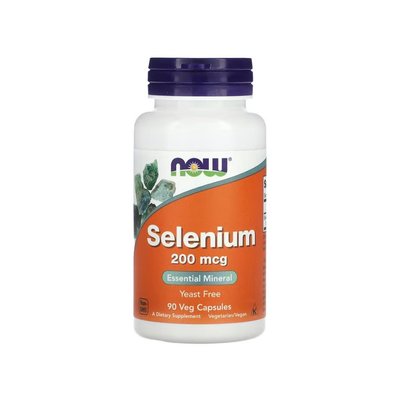 NOW Selenium 200mcg€11.90 In stock 180 veg. caps. provides a standard research-tested dose. Browse the seleen category at maxfit.ee.
- Do not stack multiple selenium-containing products (multivitamin + standalone selenium tablet) without checking combined intake.
- If on levothyroxine, mention selenium supplementation to your prescriber at the next review.
- Do not exceed tolerable upper intake limits established by your national health authority.
References
Wichman, J., Winther, K. H., Bonnema, S. J., Hegedus, L. (2016). Selenium supplementation significantly reduces thyroid autoantibody levels in patients with chronic autoimmune thyroiditis: a systematic review and meta-analysis. Thyroid, 26(12), 1681–1692. https://pubmed.ncbi.nlm.nih.gov/27702392/
Rayman, M. P. (2012). Selenium and human health. Lancet, 379(9822), 1256–1268. https://pubmed.ncbi.nlm.nih.gov/22381456/
Bomer, N., Grote Beverborg, N., Hoes, M. F., et al. (2020). Selenium and outcome in heart failure. European Journal of Heart Failure, 22(8), 1415–1423. https://pubmed.ncbi.nlm.nih.gov/31808274/
FAQ
Can I take selenium alongside a multivitamin?
Check the selenium content of your multivitamin first. Many multivitamins include selenium, and adding a standalone tablet on top can push daily intake above the tolerable upper level with sustained use. Sum the amounts across all products before supplementing separately.
Does selenium form help absorption — should I choose selenomethionine over selenite?
Yes, form matters. Selenomethionine — an organic selenium form found in food and in products like OstroVit Selen Selenomethionine — is better retained and more consistently absorbed than inorganic selenite. Most high-quality standalone selenium supplements now use the organic form.
Is selenium useful for thyroid conditions?
Research supports selenium's role in autoimmune thyroiditis (Hashimoto's disease), where it may reduce anti-TPO antibodies (Wichman et al., 2016). It is not a treatment for hypothyroidism itself. Any use in thyroid disease should be coordinated with your endocrinologist rather than self-managed.



