Selenium After 50: Benefits & Safety
Selenium is a trace mineral that the body requires in small but precise amounts. It forms the backbone of selenoproteins — enzymes central to thyroid hormone metabolism, antioxidant defence, and immune regulation. For adults over 50, selenium's role at the intersection of these three systems makes it one of the more meaningful trace minerals to consider.
Age-Related Need for Selenium
Several physiological changes make selenium particularly relevant after age 50.
Thyroid function can shift with age, and selenium is directly needed for the conversion of the thyroid hormone T4 into its active form T3. Suboptimal selenium intake has been associated with alterations in thyroid function in population studies.
Antioxidant capacity tends to decline with advancing age, and glutathione peroxidase — one of the key antioxidant enzymes in the body — depends on selenium as a structural component. A review of data from older adults found that low selenium status was associated with higher oxidative stress markers (Rayman, 2012).
Immune resilience also shifts with age, and selenium has roles in supporting both innate and adaptive immune responses. Research has linked adequate selenium status with better immune outcomes in older populations.
Absorption Considerations After 50
Selenium absorption from food is generally high. The form of selenium matters: selenomethionine, the organic form commonly found in supplements and some foods, tends to be absorbed more efficiently than inorganic forms such as sodium selenite. Older adults with any digestive concerns or reduced food variety benefit from choosing the organic selenomethionine form.
Soil selenium content varies considerably by geography. Regions with selenium-poor soils — parts of northern and eastern Europe — have populations with lower dietary selenium intake. Estonia falls within a region where soil selenium levels are relatively low, making supplementation more relevant for residents than for those in selenium-rich areas.
Dose and Safety
Selenium has a relatively narrow window between adequate and excessive intake, which makes dosing important. A meta-analysis evaluating selenium supplementation found benefits at doses used in trials, but also noted that very high intake over time is associated with adverse effects including selenosis (Rayman, 2012).
For most healthy adults over 50, a supplement providing around 100 to 200 micrograms per day is the range most commonly studied and considered safe for long-term use by healthy individuals. Do not exceed this without medical guidance.
OstroVit Selen Selenomethionine 220tabs provides selenium in the highly bioavailable selenomethionine form, suitable for consistent daily use. 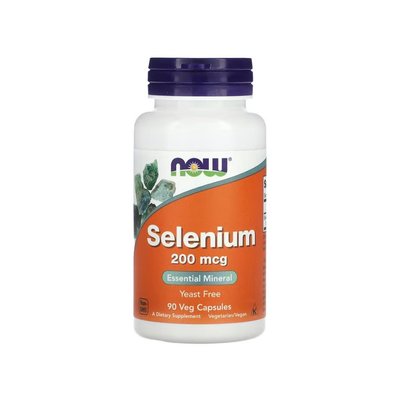 NOW Selenium 200mcg€11.90 In stock 180 veg. caps. and NOW Selenium 200mcg 90 veg. caps. are further well-regarded options available at maxfit.ee in the /en/category/seleen section.
Interactions with Medication After 50
Selenium is generally safe alongside most common medications, but several interactions deserve attention:
- Thyroid medications: selenium affects thyroid hormone conversion; people on levothyroxine or other thyroid treatments should discuss selenium with their doctor
- Statins and niacin: some evidence suggests these may affect antioxidant enzyme activity, making selenium status relevant
- Anticoagulants: high-dose selenium may have mild antiplatelet effects at very high doses
Given that several of these medications are common in people over 50, a brief conversation with a healthcare professional is worthwhile before starting selenium supplementation.
When to Supplement with Selenium After 50
Selenium supplementation is most clearly warranted for:
- Adults living in low-selenium geographic regions (including much of northern Europe)
- Those with limited variety in their diet, such as elderly individuals with reduced appetite
- People with thyroid conditions who are selenium-deficient (under medical guidance)
For immune and antioxidant support as part of a broader approach, selenium can complement a range of products from the /en/category/immuunsus category at maxfit.ee.
FAQ
How do I know if I need selenium supplementation after 50?
Blood testing of serum selenoprotein P is the most reliable measure of selenium status, but it is not routinely performed. In practice, older adults living in low-selenium regions who eat a restricted diet are likely candidates. A standard supplement at 100 to 200 micrograms per day is a common and generally safe preventive approach.
Can too much selenium be harmful after 50?
Yes. Chronic overconsumption of selenium can lead to selenosis, characterised by hair loss, nail brittleness, gastrointestinal problems and neurological effects. This underscores the importance of sticking to appropriate doses and not combining multiple selenium-containing supplements without checking total intake.
Is selenomethionine better than sodium selenite for older adults?
Selenomethionine is generally better absorbed and is the preferred form for supplementation in healthy older adults. Sodium selenite may have slightly different properties relevant to specific clinical contexts, but for routine supplementation, selenomethionine is the practical choice.
References
Rayman, M. P. (2012). Selenium and human health. The Lancet, 379(9822), 1256-1268. https://pubmed.ncbi.nlm.nih.gov/22381456/
Watine, J., & Friedberg, B. (2007). Evidence-based laboratory medicine: considering the entire diagnostic process. Clinical Chemistry and Laboratory Medicine, 45(8), 1070-1077.



