Natural Food Sources of Selenium
Selenium is an essential trace element that functions as a component of selenoproteins — a family of proteins involved in antioxidant defense, thyroid hormone metabolism, immune function, and DNA synthesis. Unlike macronutrients that are abundant in many foods, selenium content in food is highly variable and largely determined by the selenium concentration in the soil where plants are grown or animals are raised. This makes understanding selenium food sources particularly relevant for people living in regions with low-selenium soils — including much of Northern and Central Europe.
Top Selenium Food Sources
Selenium content in food varies by geography, but the richest sources across most populations include:
| Food | Approximate selenium per 100 g |
|---|---|
| Brazil nuts | ~1917 mcg (1–2 nuts exceed the daily target) |
| Tuna (canned) | ~80 mcg |
| Halibut (cooked) | ~47 mcg |
| Sardines | ~53 mcg |
| Chicken breast (roasted) | ~27 mcg |
| Beef (lean, cooked) | ~34 mcg |
| Eggs | ~20 mcg |
| Sunflower seeds | ~53 mcg |
| Brown rice (cooked) | ~10 mcg |
| Whole wheat bread | ~9 mcg |
Important caveat: the values above are averages. For plant foods especially, the actual selenium content can vary several-fold depending on the soil selenium concentration in the region where the food was produced. Finnish soils, for instance, are selenium-poor; accordingly, Finland has mandated selenium fertilization of agricultural land since 1984 — illustrating that this is a recognized population-level concern in Northern Europe.
Bioavailability from Food vs Supplement
Selenium bioavailability from food is generally high — the organic forms found in food (selenomethionine, selenocysteine) are well absorbed, with estimates typically above 80% from most animal and plant food sources (Rayman, 2012).
Selenomethionine — the form found naturally in plant foods and also used in many supplements — is among the best-absorbed selenium forms and integrates into body protein stores. Inorganic selenium (sodium selenite, sodium selenate) used in some supplements is absorbed somewhat less efficiently but is still effective at correcting deficiency.
The selenomethionine form used in high-quality supplements (including the products available at maxfit.ee) mirrors the natural food form, supporting comparable bioavailability to dietary selenium from plant protein sources.
Daily Targets from Diet
The recommended dietary allowance for selenium in most European and international guidelines is around 55 mcg per day for adults, with an upper tolerable limit of 400 mcg per day above which toxicity risk increases. Achieving 55 mcg per day from food alone is feasible for most omnivores in selenium-adequate regions, but may be challenging in low-selenium areas without fortified foods or supplementation.
A large-scale European study found that serum selenium levels in many Northern and Central European populations fall below what is considered optimal for selenoprotein activity (Schomburg & Schweizer, 2009), suggesting that dietary selenium intake may be insufficient for a meaningful proportion of the population in these regions.
Cooking and Storage Effects
Selenium in food is relatively stable during normal cooking. Boiling may cause some leaching into cooking water, but losses are generally modest compared to minerals like potassium. Roasting, baking, and grilling retain selenium well. Brazil nuts and other selenium-rich foods do not require special preparation to preserve selenium content.
Storage has minimal impact on selenium content under normal conditions. Oxidative conditions (old oils, highly processed foods) may reduce bioavailability slightly.
When Food Is Not Enough
For people in Northern Europe — including Estonia — where soil selenium is naturally low and much of the food supply comes from European-grown produce, relying solely on diet to maintain optimal selenium status can be challenging. Those following plant-based diets are particularly at risk, as animal products are typically better selenium sources in low-selenium environments.
Available at maxfit.ee: OstroVit Selen Selenomethionine 220tabs provides selenium in the bioavailable selenomethionine form — matching the natural form from plant foods. 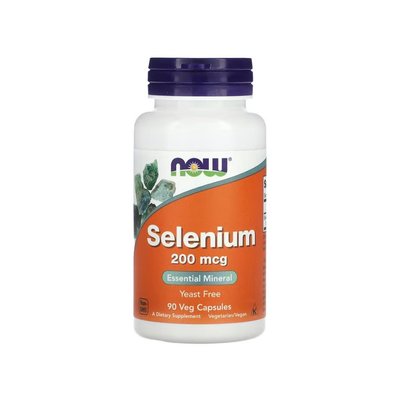 NOW Selenium 200mcg€11.90 In stock 180 veg. caps. and NOW Selenium 200mcg 90 veg. caps. offer a reliable dose that sits comfortably within the safe range. Browse the full selenium category.
Note: selenium has a relatively narrow margin between recommended and tolerable upper intake. Avoid combining multiple selenium-containing supplements without checking total intake.
FAQ
How many Brazil nuts do I need to meet my selenium needs?
Just one to two Brazil nuts typically provide the daily recommended amount of selenium for an adult, and sometimes much more. However, Brazil nuts vary widely in selenium content (values from ~50 to over 2000 mcg per 100 g have been reported), so they are not a reliable sole strategy for precise dosing. They work well as an occasional dietary contribution rather than a daily-consistency source.
Is selenium deficiency common in Estonia and Northern Europe?
Low soil selenium is a recognized issue across Northern and Central Europe, and population studies have found suboptimal serum selenium in these regions (Schomburg & Schweizer, 2009). People who eat primarily locally grown produce, follow plant-based diets, or avoid fish and meat may be at higher risk of falling below the optimal range. A healthcare provider can assess selenium status with a blood test if there is specific concern.
Can I take too much selenium from food and supplements combined?
Selenum toxicity (selenosis) occurs at high intakes, generally above 400 mcg per day over sustained periods. Brazil nuts, if consumed in large quantities daily, can push intake high. When using a 200 mcg selenium supplement, avoid also consuming large daily amounts of Brazil nuts or multiple fortified products simultaneously. At the individual supplement doses available at maxfit.ee, toxicity risk from the supplement alone is low within the labeled serving recommendation.
References
Rayman, M. P. (2012). Selenium and human health. Lancet, 379(9822), 1256-1268. https://pubmed.ncbi.nlm.nih.gov/22381456/
Schomburg, L., & Schweizer, U. (2009). Hierarchical regulation of selenoprotein expression and sex-specific effects of selenium. Biochimica et Biophysica Acta, 1790(11), 1453-1462. https://pubmed.ncbi.nlm.nih.gov/19328222/
Hall, J. A., Bobe, G., Hunter, J. K., Vorachek, W. R., Stewart, W. C., Vanegas, J. A., ... & Whitfield, G. K. (2013). Effect of type and amount of dietary selenium on reproductive performance and thyroid hormone synthesis of mid-to-late gestating ewes and their offspring. PLOS ONE, 8(4), e61001. https://pubmed.ncbi.nlm.nih.gov/24391937/



