Why Selenium Is a Critical Trace Mineral
Selenium is a trace mineral that functions as a cofactor for a family of enzymes called selenoproteins. These include glutathione peroxidases, which protect cells from oxidative damage, and deiodinases, which activate thyroid hormones. Because the body cannot make selenium, it must come from food or supplements — and intake varies enormously depending on where your food is grown.
Symptoms of Selenium Deficiency
Mild to moderate selenium deficiency often develops silently. When symptoms do appear, the most common include:
- Unexplained fatigue and muscle weakness — selenoproteins are essential for mitochondrial function and energy production.
- Hair loss or brittle nails — selenium supports the synthesis of keratin proteins.
- Slow metabolism and weight gain — selenium is required to convert inactive T4 thyroid hormone to active T3; deficiency can blunt this conversion.
- Increased susceptibility to infections — selenium is required for optimal T-lymphocyte proliferation (Rayman, 2012).
- Cognitive decline and mood changes — lower plasma selenium has been associated with depressive symptoms in population studies.
- Reproductive difficulties — selenium is concentrated in testicular and ovarian tissue and plays roles in sperm motility and follicle development.
Severe, chronic deficiency can contribute to Keshan disease (cardiomyopathy) and Kashin-Beck disease (osteoarthropathy), though these are rare outside regions with extremely selenium-depleted soils.
At-Risk Groups
People eating predominantly locally grown food in low-selenium regions — soil selenium content varies by orders of magnitude across Europe. Nordic and Baltic soils, including Estonian farmland, have historically been selenium-poor, making dietary intake less reliable than in, for example, the United States (Rayman, 2012).
Individuals with thyroid conditions — Hashimoto's thyroiditis involves autoimmune attack on the thyroid, and selenium may help moderate the inflammatory burden on the gland.
Those with Crohn's disease or other malabsorption conditions — selenium absorption occurs in the small intestine and is reduced in inflammatory bowel disease.
Vegans and vegetarians — meat and seafood are the most reliable selenium sources; plant sources vary widely depending on soil content.
Older adults — studies in European elderly populations have found low selenium status to be common and associated with reduced antioxidant defence.
How It Is Tested
Selenium status is most commonly measured by:
- Plasma or serum selenium: reflects recent intake; a practical measure for clinical assessment.
- Red blood cell selenium: a longer-term indicator, reflecting intake over the prior two to three months.
- Selenoprotein P (SELENOP): considered the most reliable functional marker of whole-body selenium status and used in several European population studies.
In Estonia, plasma selenium can be measured through private laboratories or via a specialist referral. The Finnish Keele University study and Scandinavian data consistently show Baltic populations among those with lower European selenium status.
Nordic and Estonian Context
Finland recognised its low selenium soils in the 1980s and began enriching fertilisers with sodium selenate — a policy that measurably raised Finnish dietary selenium intake. Estonia has not implemented the same programme, meaning Estonian dietary selenium depends more on imported food and individual awareness. Residents relying heavily on local grain, vegetables, and root crops may have lower baseline status. Fish and meat remain the best food-based strategy; for those limiting animal products, a targeted supplement is worth considering.
When to Supplement vs Diet
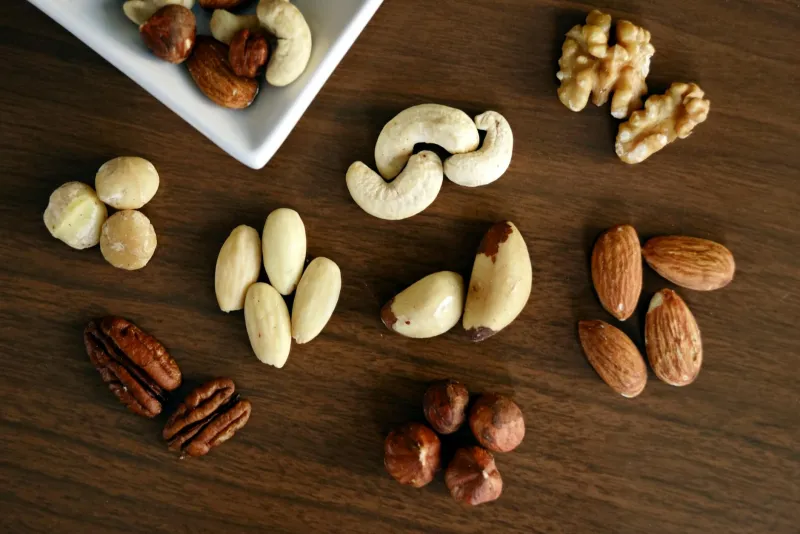
Foods rich in selenium include Brazil nuts (a single nut can contain a large amount — product-label guidance applies), seafood, meat, and eggs. However, relying on dietary intake alone can be unreliable when food is grown on depleted soils.
Selenium supplementation is worth discussing with a healthcare provider if you:
- Have confirmed low plasma selenium.
- Have a thyroid autoimmune condition.
- Follow a plant-based diet in a low-selenium region.
- Experience persistent fatigue, hair loss, or immune vulnerability without another explanation.
The tolerable upper intake level set by regulatory bodies means it is important not to over-supplement; selenium has a narrow therapeutic window. Supplementing at levels found in typical capsules is safe for most adults when taken as directed.
For selenium products available in Estonia, the selenium category at maxfit.ee includes OstroVit Selen Selenomethionine 220tabs, 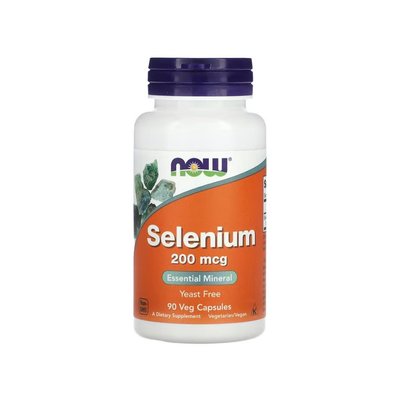 NOW Selenium 200mcg€11.90 In stock 180 veg. caps., and NOW Selenium 200mcg 90 veg. caps. — selenomethionine being one of the better-absorbed organic forms.
FAQ
How do I know if I am selenium deficient without a blood test?
Symptom patterns — particularly hair loss, fatigue, and recurrent infections in combination — can suggest low selenium, especially if you eat a plant-heavy diet in Estonia or a similar northern region. A plasma selenium test is the most practical way to confirm it.
Does selenium help thyroid function?
Selenium is required for the enzymes that convert T4 to active T3 thyroid hormone, so adequate selenium is a prerequisite for normal thyroid function. Several randomised trials have investigated selenium supplementation in Hashimoto's thyroiditis; results have been mixed but the mechanistic case is well-established.
Can I get enough selenium from Brazil nuts?
In principle, yes — Brazil nuts are exceptionally rich in selenium. In practice, the selenium content per nut varies enormously depending on where the nuts were grown, making them an unreliable sole source.
References
Rayman, M. P. (2012). Selenium and human health. The Lancet, 379(9822), 1256-1268. https://pubmed.ncbi.nlm.nih.gov/22381456/
Ventura, M., Melo, M., & Carrilho, F. (2017). Selenium and thyroid disease: from pathophysiology to treatment. International Journal of Endocrinology, 2017, 1297658. https://pubmed.ncbi.nlm.nih.gov/28255299/



