
Selenium Benefits: What the Evidence Actually Says
Selenium is a trace mineral found naturally in soil, water, and certain foods. It is incorporated into proteins called selenoproteins, which carry out a range of functions in the body. Understanding the real selenium benefits — as distinct from inflated marketing claims — requires looking at peer-reviewed evidence rather than supplement labels.
Primary Evidenced Benefits
Thyroid Function
The thyroid gland contains the highest concentration of selenium of any tissue in the body. Selenoproteins, particularly the deiodinase enzymes, are essential for converting the inactive thyroid hormone T4 into the active form T3. Randomised controlled trials have shown that selenium supplementation can reduce thyroid peroxidase antibodies in people with autoimmune thyroiditis (Gartner et al., 2002). This is among the best-documented effects of selenium supplementation in humans.
Antioxidant Defence
Selenium is a core component of glutathione peroxidase, one of the body's primary antioxidant enzyme systems. Adequate selenium status supports the activity of these enzymes, which help neutralise reactive oxygen species generated during normal metabolism and exercise. Athletes and individuals with high oxidative stress loads may benefit most from maintaining adequate selenium status.
Immune System Support
A review of intervention studies found that selenium supplementation is associated with improvements in cellular immunity, particularly in selenium-deficient populations (Huang et al., 2012). The effect is more pronounced when baseline status is low, which is relevant in Northern Europe where soil selenium levels are historically low.
Secondary and Emerging Effects
Male Reproductive Health
Selenium is concentrated in the testes and is required for sperm motility and morphology. A trial combining selenium with N-acetyl-cysteine found improvements in sperm quality parameters in infertile men (Safarinejad & Safarinejad, 2009). Evidence is suggestive but based on relatively small trials.
Cognitive Function
Observational data associates low selenium status with cognitive decline in older adults, but causal evidence from randomised trials is limited. This remains an area of ongoing research and no firm clinical recommendation can be made.
Where Evidence Is Weak or Absent
Claims about selenium preventing cancer or cardiovascular disease in people with adequate baseline status are not robustly supported. The SELECT trial — a large RCT — found no benefit of selenium supplementation on prostate cancer risk in men who were already selenium-replete (Lippman et al., 2009). Supplementing above adequate status does not appear to deliver additional benefit and may carry risk.
Who Gains Most from Selenium Supplementation
People most likely to benefit include:
- Those with low dietary selenium intake (common in regions with selenium-poor soils, including parts of Estonia and the broader Baltic region)
- Individuals with autoimmune thyroid conditions
- People on restrictive diets who may not reach adequate intake through food alone
Selenium status can be assessed via blood tests (serum or plasma selenium). Supplementation without confirmed deficiency or low status is unlikely to produce meaningful benefits.
Realistic Expectations
Selenium is not a performance enhancer or a cure-all. At appropriate doses it supports normal physiological function. Supplements such as OstroVit Selen Selenomethionine 220tabs, 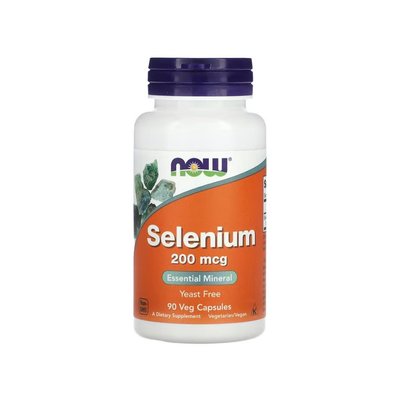 NOW Selenium 200mcg€11.90 In stock 180 veg. caps., and NOW Selenium 200mcg 90 veg. caps. are available at maxfit.ee and provide selenomethionine, an organic form with good bioavailability.
Most adults in Northern Europe may benefit from a modest intake through supplementation to compensate for low soil selenium, but the dose matters — the gap between adequate and excessive intake is narrower than with many other nutrients. Stick to established guidelines and do not self-prescribe high doses without blood test results.
For category browsing, see the selenium supplements and thyroid support pages at maxfit.ee.
References
Gartner, R., Gasnier, B. C., Dietrich, J. W., Krebs, B., & Angstwurm, M. W. (2002). Selenium supplementation in patients with autoimmune thyroiditis decreases thyroid peroxidase antibodies concentrations. Journal of Clinical Endocrinology & Metabolism, 87(4), 1687-1691.
Huang, Z., Rose, A. H., & Hoffmann, P. R. (2012). The role of selenium in inflammation and immunity: from molecular mechanisms to therapeutic opportunities. Antioxidants & Redox Signaling, 16(7), 705-743. https://pubmed.ncbi.nlm.nih.gov/21955027/
Lippman, S. M., Klein, E. A., Goodman, P. J., Lucia, M. S., Thompson, I. M., Ford, L. G., et al. (2009). Effect of selenium and vitamin E on risk of prostate cancer and other cancers: the Selenium and Vitamin E Cancer Prevention Trial (SELECT). JAMA, 301(1), 39-51. https://pubmed.ncbi.nlm.nih.gov/19066370/
Safarinejad, M. R., & Safarinejad, S. (2009). Efficacy of selenium and/or N-acetyl-cysteine for improving semen parameters in infertile men: a double-blind, placebo controlled, randomized study. Journal of Urology, 181(2), 741-751. https://pubmed.ncbi.nlm.nih.gov/19091331/
FAQ
What are the main selenium benefits supported by evidence?
The strongest evidence covers thyroid function — particularly the conversion of T4 to T3 and reduction of thyroid antibodies in autoimmune thyroiditis — and the role of selenium in antioxidant enzyme activity. Immune support is well-documented in deficient populations. Benefits for cancer prevention or cognitive function in selenium-replete individuals are not established.
How do I know if I need a selenium supplement?
Blood testing (serum selenium) is the most accurate way to assess status. People in Northern Europe, those eating little seafood or Brazil nuts, and those with thyroid conditions are at higher risk of suboptimal intake. A qualified healthcare provider can interpret results and recommend an appropriate dose.
Can I take too much selenium?
Yes. Selenium has one of the narrowest safety margins of any essential mineral. Chronic intake well above the recommended upper limit may cause selenosis, with symptoms including brittle nails, hair loss, and gastrointestinal upset. Always follow dosage instructions and do not combine multiple selenium-containing supplements without checking total intake.



