What Selenium Does
Selenium is an essential trace mineral — the body needs it in small amounts, but cannot function without it. It is incorporated into a family of proteins called selenoproteins, which play key roles in antioxidant defence (particularly through the enzyme glutathione peroxidase), thyroid hormone metabolism, and immune cell activity.
For athletes, selenium is relevant because intense exercise generates reactive oxygen species. Adequate selenium status supports the body's antioxidant enzyme systems that help manage this oxidative load. Additionally, selenium is critical for normal thyroid function, and the thyroid regulates metabolic rate and energy availability — both central to athletic performance.
Selenium status varies significantly by geography. Soils in Northern and Eastern Europe, including Estonia, tend to be lower in selenium than some other regions, which can translate to lower dietary intake from local foods.
How to Start
OstroVit Selen Selenomethionine 220tabs provides selenium in selenomethionine form, which is well absorbed compared to inorganic selenium salts (Burk et al., 2006). 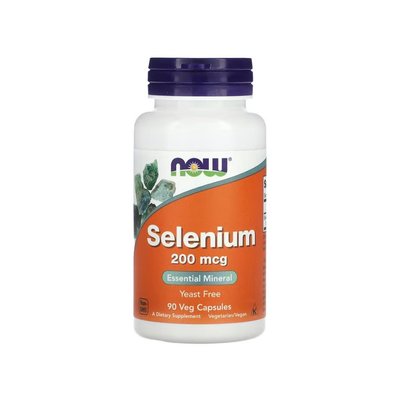 NOW Selenium 200mcg€11.90 In stock 180 veg. caps. is another established selenomethionine product with a straightforward dose. Both are available at maxfit.ee.
Start with the dose indicated on the product label. Standard selenium supplements for adults commonly provide around 100–200 mcg per serving. Do not combine multiple selenium-containing supplements without checking total daily intake, as selenium has a narrow gap between adequate intake and the tolerable upper limit.
What to Expect and When
For individuals with adequate selenium status already, supplementation is unlikely to produce noticeable effects. The benefit of selenium supplementation is most relevant when dietary intake is insufficient.
In those with low status:
- Thyroid function may normalise over weeks to months of adequate intake
- Immune resilience may improve subtly
- Antioxidant enzyme activity may increase
One meta-analysis found that selenium supplementation improved selenoprotein activity and markers of antioxidant capacity in populations with low baseline status (Rayman, 2012). Results in athletes with already normal selenium levels are less consistent.
Expect gradual, background-level benefits rather than acute, perceptible changes.
Common Mistakes
Taking too much. Selenium toxicity (selenosis) can occur with chronic excess intake. Symptoms include hair loss, nail brittleness, and neurological changes. Stick to label doses and do not take multiple selenium-containing products simultaneously.
Ignoring dietary sources. Brazil nuts are an exceptionally concentrated source — even one or two per day can cover daily needs. If you eat them regularly, additional supplementation may be unnecessary. Seafood, meat, and eggs are also good sources.
Expecting general antioxidant benefits without a deficiency. Selenium supplementation provides antioxidant benefit primarily in those with insufficient status. It is not a potent antioxidant booster for people already well-supplied.
Choosing inorganic forms unnecessarily. Organic forms (selenomethionine) are better retained than inorganic selenate or selenite. Look for selenomethionine on the label.
Choosing a Product
For selenium products at maxfit.ee, browse the selenium category. Selenomethionine-based products are the recommended form for most adults. A dose of around 100–200 mcg daily covers needs for most people without approaching the upper safety limit.
If you are also looking to support thyroid health, the thyroid-support category at maxfit.ee includes additional relevant products.
References
Burk, R. F., et al. (2006). Effects of chemical form of selenium on plasma biomarkers in a high-dose human supplementation trial. Cancer Epidemiology, Biomarkers & Prevention, 15(4), 804-810. https://pubmed.ncbi.nlm.nih.gov/16614127/
Rayman, M. P. (2012). Selenium and human health. The Lancet, 379(9822), 1256-1268. https://pubmed.ncbi.nlm.nih.gov/22381456/
Speakman, J. R., & Selman, C. (2011). The free-radical damage theory: accumulating evidence against a simple link of oxidative stress to ageing and lifespan. BioEssays, 33(4), 255-259. https://pubmed.ncbi.nlm.nih.gov/21290398/
FAQ
How do I know if I am selenium-deficient?
The most reliable way is a blood test measuring serum selenium or selenoprotein P levels. Given that Estonian soils are relatively selenium-poor, people relying mainly on local plant foods may be at higher risk of lower intake. A healthcare professional can arrange testing.
Is it safe to take selenium every day?
Yes, at label-recommended doses. Most standard supplements are formulated at levels well below the tolerable upper intake level established by regulatory bodies. Do not stack multiple selenium supplements or take very high doses long-term.
Does selenium help with thyroid health?
Selenium is essential for producing the enzyme that activates thyroid hormone (deiodinase). Adequate selenium status supports normal thyroid metabolism. However, selenium supplementation is not a treatment for thyroid conditions — consult a doctor if you have thyroid concerns.



