What is chlorophyll and why is it beneficial for health?
Chlorophyll is the pigment that gives plants their green color and is essential for photosynthesis. The chlorophyll used in supplements is typically chlorophyllin — a water-soluble semi-synthetic derivative that is better absorbed than plant-derived chlorophyll.
Chlorophyll's structure is surprisingly similar to human hemoglobin — the main difference is the central atom: magnesium in chlorophyll, iron in hemoglobin. This structural similarity has sparked interest in chlorophyll's potential health properties.
Main forms of chlorophyll:
- Chlorophyll a — blue-green, primary photosynthesis pigment
- Chlorophyll b — yellow-green, auxiliary pigment
- Chlorophyllin — water-soluble derivative, most commonly used in supplements
Does chlorophyll support the body's natural processes?
One of chlorophyll's most cited properties is its ability to support the body's natural processes. Research supports this claim on multiple levels.
Egner et al. (2001) — landmark study in China:
- 180 participants in a region with high aflatoxin B1 (carcinogen) exposure
- 100mg chlorophyllin 3x daily for 4 months
- Aflatoxin-DNA adducts (damage marker) decreased by 55%
This study showed that chlorophyllin can bind carcinogenic substances in the digestive tract, reducing their absorption.
Second mechanism:
- Chlorophyll activates phase II enzymes in the liver
- These enzymes neutralize toxins and prepare them for excretion
- This is the same mechanism supported by cruciferous vegetables (broccoli, cauliflower)
How does chlorophyll affect skin and acne?
Chlorophyll has become a popular skincare ingredient in recent years. Science supports some of the claims.
Stephens et al. (2015):
- 10 participants with mild to moderate acne
- Topical chlorophyllin gel for 3 weeks
- Acne lesions and oiliness decreased significantly
- Skin texture improved
Li et al. (2019):
- Sun damage (photoaging) study
- Topical chlorophyllin improved skin elasticity
- Reduced fine lines and wrinkles
Mechanisms:
- Antioxidant effect — protects skin from UV damage
- Anti-inflammatory — reduces acne inflammation
- Aids wound healing (older studies)
Does chlorophyll reduce body odor and aid digestion?
One of chlorophyll's most traditional uses is improving body odor and breath.
Young and Beregi (1980):
- Chlorophyllin reduced body odor in elderly nursing home patients
- Improvement found in patients suffering from chronic bad breath
Digestive support:
- Chlorophyll supports gut health by creating favorable conditions for beneficial bacteria
- Helps reduce gas and bloating
- Supports regular digestion
Although studies in this area are older and limited, they support traditional use.
How to dose chlorophyll and which form to choose?
Forms
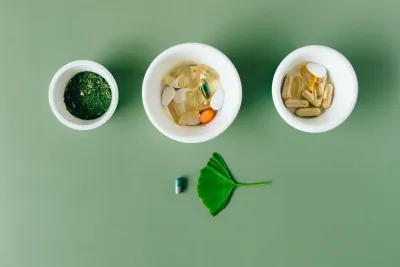
Liquid chlorophyll (chlorophyllin drops):
- Most popular form
- Added to water — gives it a green color
- Typical dose: 100-300mg daily
- Taste is mild, slightly metallic
Capsules:
- Convenient, tasteless
- Same efficacy
- Precise dosing
Plant sources:
- Spinach, parsley, broccoli, algae
- Natural chlorophyll, but lower absorption
Dosing Table
| Goal | Dose | Form |
|---|---|---|
| General health | 100mg daily | Liquid/capsule |
| Metabolic support | 100-300mg daily | Liquid/capsule |
| Skin health | 100-200mg daily | Liquid/capsule |
| Body odor reduction | 100-200mg daily | Capsule |
| Digestive support | 100mg daily | Liquid |
Who is chlorophyll suitable for and what are the limitations?
Good fit:
- People interested in supporting the body's natural processes
- Skin issues (acne, aging signs)
- Digestive problems (gas, bloating)
- Body odor concerns
- General health strengthening
Side effects:
- Green stool — normal and safe
- Rare digestive upset
- Increased sun sensitivity (wear sunscreen)
Contraindications:
- Pregnancy and breastfeeding — insufficiently studied
- Photosensitivity disorders
- Some drug interactions (consult a doctor)
Explore our green supplement selection and find the right spirulina or other green superfood.
Summary
Chlorophyll is a promising supplement for multiple health areas:
- Liver support: Binds toxins and supports liver enzymes
- Skin: Antioxidant and anti-inflammatory effects
- Body odor: Traditionally used as an internal deodorant
- Digestion: Supports gut health
- Dose: 100-300mg chlorophyllin daily
References
- Ferruzzi MG, Blakeslee J. (2007). Digestion, absorption, and cancer preventative activity of dietary chlorophyll derivatives. Nutrition Research, 27(1), 1-12.
- Stephens TJ, McCook JP, Herndon JH Jr. (2015). Pilot study of topical copper chlorophyllin complex in subjects with facial acne and large pores. Journal of Drugs in Dermatology, 14(6), 589-592.
- Egner PA, Wang JB, Zhu YR, et al. (2001). Chlorophyllin intervention reduces aflatoxin-DNA adducts in individuals at high risk for liver cancer. Proceedings of the National Academy of Sciences, 98(25), 14601-14606.
- Li Y, Cui Y, Lu F, et al. (2019). Beneficial effects of a chlorophyll-rich spinach extract supplementation on prevention of obesity and its related complications in the visceral adiposity of high-fat-diet-fed rats. Journal of Functional Foods, 53, 105-114.
- Siegel LH. (1960). The control of ileostomy and colostomy odors. Gastroenterology, 38, 634-636.