Resveratrol: More Than the 'Red Wine Effect'
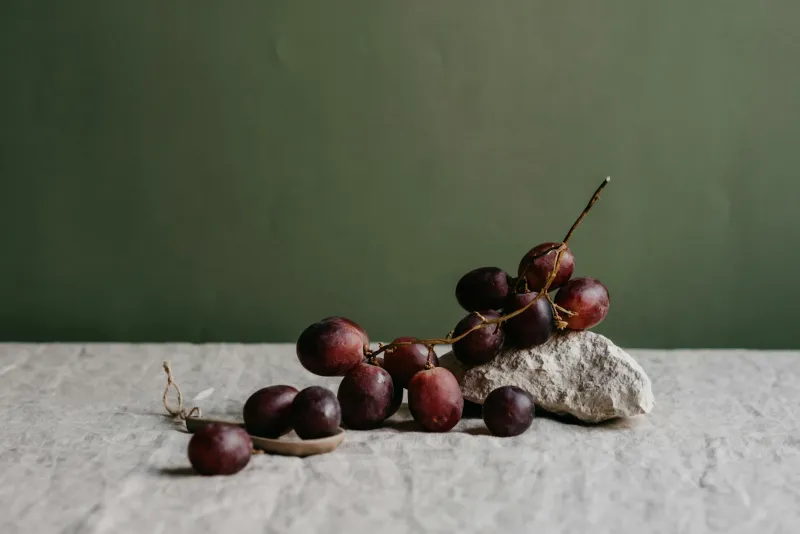
Resveratrol is a polyphenol belonging to the stilbene family, found in grape skins, red berries, peanuts and certain fungi. In the 1990s it attracted widespread attention in connection with the so-called "French Paradox" — the observation that French people have relatively low cardiovascular disease risk despite a high-fat diet, partly attributed to red wine consumption. While subsequent research has shown that resveratrol is not the sole factor, scientific interest in the compound has grown continuously.
Mechanisms of Action
Sirtuin Activation
Resveratrol is best known for activating sirtuins — a family of deacylase enzymes often called "longevity enzymes". SIRT1 activation is the most studied, resulting in:
- Improved mitochondrial biogenesis
- Regulation of metabolism and inflammatory responses
- Participation in DNA damage repair
David Sinclair of Harvard University pioneered this research, demonstrating longevity markers activated by resveratrol (Howitz et al., 2003).
AMPK Activation
Similar to berberine and metformin, resveratrol also activates AMPK — helping regulate blood sugar, improve insulin sensitivity and stimulate fatty acid oxidation (Baur et al., 2006).
Antioxidant Protection
Resveratrol is a potent antioxidant, scavenging free radicals and enhancing the body's endogenous antioxidant systems, including superoxide dismutase (SOD) and catalase.
Cardiovascular Protection
Resveratrol has been most extensively studied in cardiovascular contexts:
- Reduces LDL cholesterol oxidation — critical in atherosclerosis
- Improves endothelial function (blood vessel wall health)
- Reduces platelet aggregation (blood clot risk)
- Lowers inflammatory markers (CRP, IL-6)
Human trials have yielded mixed results, with some showing significant benefit and others less so (Tome-Carneiro et al., 2012).
Bioavailability: The Core Challenge
Resveratrol's biggest limitation is rapid metabolism. Although it absorbs quickly, it is extensively metabolised in the gut and liver, leaving low concentrations in plasma. Solutions:
| Form | Advantage |
|---|---|
| Trans-resveratrol | More active isomer vs. cis-form |
| Micronisation | Improves particle absorption |
| With piperine | Slows metabolism |
| Liposomal form | Higher bioavailability |
OstroVit Resveratrol VEGE 60 vcaps and NOW Natural Resveratrol 200mg 60 Veg. Capsules, available at maxfit.ee, provide standardised trans-resveratrol in quality formulations.
Longevity Science and Practical Application
Mouse studies showed that resveratrol extended lifespan in high-calorie-diet animals (Baur et al., 2006). Human trials have been more modest — high doses (1–5 g/day) have shown metabolic benefits but also some negative effects on insulin signalling in athletes.
Practical recommendation: 150–500 mg trans-resveratrol per day is a sensible maintenance dose, supporting antioxidant and cardiovascular protection without the risks associated with very high doses.
Interactions and Safety
- Anticoagulants — resveratrol inhibits platelet aggregation
- Oestrogenic compounds — resveratrol acts as a mild phytoestrogen
- Co-administration with caffeine may reduce absorption
- Pregnancy — insufficient data; caution advised
References
- Howitz, K. T., et al. (2003). Small molecule activators of sirtuins extend Saccharomyces cerevisiae lifespan. Nature, 425(6954), 191–196.
- Baur, J. A., et al. (2006). Resveratrol improves health and survival of mice on a high-calorie diet. Nature, 444(7117), 337–342.
- Tome-Carneiro, J., et al. (2012). Resveratrol and clinical trials: the crossroad from in vitro studies to human evidence. Current Pharmaceutical Design, 19(34), 6064–6093.
- Walle, T. (2011). Bioavailability of resveratrol. Annals of the New York Academy of Sciences, 1215(1), 9–15.
- Bhullar, K. S., & Hubbard, B. P. (2015). Lifespan and healthspan extension by resveratrol. Biochimica et Biophysica Acta, 1852(6), 1209–1218.
FAQ
Does red wine provide enough resveratrol?
One glass of red wine contains roughly 0.2–2 mg of resveratrol. Clinical study doses range from 100–500 mg per day — equivalent to hundreds of glasses. Red wine is not a practical resveratrol source at therapeutic levels.
Is resveratrol suitable for athletes?
Some studies suggest that very high resveratrol doses (above 1 g/day) may paradoxically blunt some training adaptations (VO2max gains, insulin sensitivity improvements). Moderate doses (150–500 mg) are likely safer for athletes.
Does resveratrol actually extend life?
Animal studies are promising, but longevity effects in humans remain unproven. Resveratrol may improve several health biomarkers, but this does not automatically translate to a longer lifespan.



