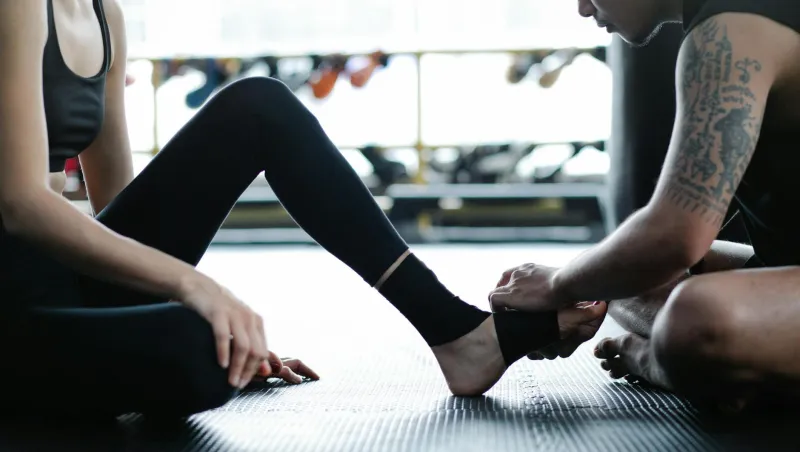
Why Post-Training Nutrition Matters So Much
Training is a catabolic process — it depletes muscle glycogen, creates micro-damage in muscle tissue, and causes fluid loss. Post-training nutrition activates the anabolic phase: glycogen replenishment, muscle repair and growth, and fluid balance restoration. Optimal post-training nutrition not only accelerates recovery from the current session but also prepares the body for the next training stimulus.
The Three Primary Recovery Nutrients
1. Protein — the muscle building block
After training, the muscle protein synthesis "window" is open — muscle cells are more receptive to amino acids. The recommended post-training protein dose is 20–40 g per sitting (Moore et al., 2009). Larger amounts offer no additional benefit — excess is oxidised for energy.
Best post-training protein sources:
- Whey protein — fastest absorption, high BCAA content
- Eggs — complete protein, healthy fats
- Chicken, tuna — lean protein with minerals
- Greek yoghurt — protein plus probiotics
2. Carbohydrates — refuelling glycogen
Glycogen resynthesis is fastest within the first 30–60 minutes after training (Ivy, 1998). High-glycaemic carbohydrates (rice, bananas, fruit-protein smoothies) work well immediately after intense training. After low-intensity sessions, rapid glycogen resynthesis is less critical.
Recommended post-training carbohydrate dose: 1–1.5 g per kg bodyweight (Beelen et al., 2010).
3. Hydration — restoring fluid and electrolytes
Sweating causes loss of both fluid and electrolytes (sodium, potassium, magnesium). Even 2% dehydration relative to bodyweight impairs performance in the next session. Drink 150% of fluid lost post-training — if you weighed 1 kg less after training, drink 1.5 litres of water.
Post-Training Supplements Worth Considering
MST Protein Best Whey + Enzymes 510g Vanilla Ice Cream — fast-absorbing whey protein with digestive enzymes, ideal for the post-training 20–40 g protein window. OstroVit BCAA + Glutamine 5500mg 300caps — BCAAs accelerate protein synthesis while glutamine supports immune system recovery. OstroVit Post-Workout Formula 500g Strawberry-Berry — purpose-built post-training formula combining creatine, protein, and carbohydrates. 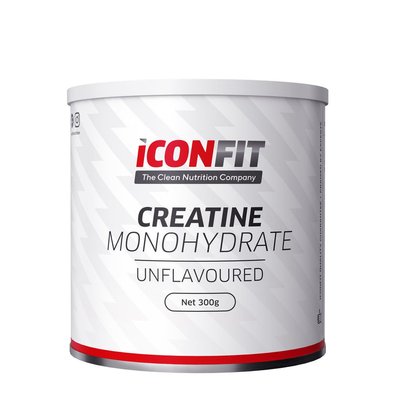 ICONFIT Creatine Monohydrate Unflavored€12.90 In stock 300g — research shows post-training creatine supplementation is as effective as pre-training for muscle performance gains.
Find these at maxfit.ee/en/category/valgud and maxfit.ee/en/category/kreatiin.
Sample Recovery Meals by Training Type
| Training type | Recommended meal | Protein | Carbs |
|---|---|---|---|
| Strength training | Whey shake + banana + wholegrain bread | 30–40 g | 50–60 g |
| Endurance | Chicken + rice + vegetables | 25–30 g | 70–90 g |
| HIIT | Eggs + oats + berries | 20–30 g | 40–60 g |
| Yoga / light | Greek yoghurt + fruit | 15–20 g | 30–40 g |
When to Eat? The "Anabolic Window" — What Science Says
The earlier belief that the post-training "anabolic window" is only 30–60 minutes has been revised. More recent meta-analyses show protein intake is important regardless of precise timing, but eating within 2 hours of training remains optimal (Schoenfeld et al., 2013).
Exception: fasted-state athletes (morning training without breakfast) benefit from eating sooner, since catabolic state is more pronounced.
A Note on Estonian Winter Training
In Estonia, vitamin D supplementation during winter months is particularly important, since short days reduce natural skin synthesis. Vitamin D supports calcium absorption and indirectly supports muscle and bone health — both relevant to recovery quality.
FAQ
Is a post-training protein supplement necessary if I eat well?
Not necessarily — if you can achieve 20–40 g protein from whole food within 1–2 hours of training, a supplement is optional. Whey protein is simply a faster and more convenient solution.
Does fat in post-training food slow recovery?
Small amounts of fat don't significantly affect recovery. However, large amounts of fat slow gastric emptying and delay protein and carbohydrate absorption — so lower-fat foods are generally preferred immediately post-training.
What should I drink after training — water, isotonic, or something else?
After a short, moderate session (under 60 minutes), water is typically sufficient. After long or very intense training (especially in warm conditions), an electrolyte-containing isotonic drink is useful to replenish sodium and potassium.
References
- Moore, D. R., Robinson, M. J., Fry, J. L., Tang, J. E., Glover, E. I., Wilkinson, S. B., ... & Phillips, S. M. (2009). Ingested protein dose response of muscle and albumin protein synthesis after resistance exercise in young men. American Journal of Clinical Nutrition, 89(1), 161–168.
- Ivy, J. L. (1998). Glycogen resynthesis after exercise: effect of carbohydrate intake. International Journal of Sports Medicine, 19(S2), S142–S145.
- Beelen, M., Burke, L. M., Gibala, M. J., & van Loon, L. J. C. (2010). Nutritional strategies to promote postexercise recovery. International Journal of Sport Nutrition and Exercise Metabolism, 20(6), 515–532.
- Schoenfeld, B. J., Aragon, A. A., & Krieger, J. W. (2013). The effect of protein timing on muscle strength and hypertrophy. Journal of the International Society of Sports Nutrition, 10(1), 53.
- Thomas, D. T., Erdman, K. A., & Burke, L. M. (2016). American College of Sports Medicine joint position statement. Nutrition and athletic performance. Medicine & Science in Sports & Exercise, 48(3), 543–568.