
Training and Gut Health — Are They Connected?
Yes, very closely. Intense physical exercise affects the gut microbiome in several ways:
- Blood distribution shift — during exercise, blood is diverted to muscles, reducing intestinal blood flow by up to 80%. This creates transient ischaemic stress on the gut mucosa.
- Increased intestinal permeability — running, especially over long distances, significantly increases gut permeability (Dokladny et al., 2009).
- Rise in inflammatory markers — intense training transiently elevates pro-inflammatory cytokines.
- Dehydration — affects gut content composition and the microbiome environment.
The result can be gastrointestinal symptoms such as diarrhoea, cramps, and nausea — particularly in marathon runners and triathletes. Up to 50% of endurance athletes experience such symptoms during intense training (de Oliveira et al., 2017).
How Do Probiotics Help Athletes?
1. Supporting Immune Function
Athletes training intensely are more susceptible to upper respiratory tract infections (URIs) than the general population, especially during competition season. Research showed that Lactobacillus supplementation reduced URI episode frequency in football players by 30% (Gleeson et al., 2011).
2. Protein Digestion and Amino Acid Absorption
Athletes consume large volumes of protein. Probiotic strains, particularly Lactobacillus and Bacillus species, increase proteolytic enzyme activity in the gut, improving protein digestion and amino acid bioavailability.
3. Reducing Intestinal Permeability
L. plantarum has demonstrated clinically that it strengthens the intestinal barrier in marathon runners, reducing the exercise-induced rise in gut permeability (Pugh et al., 2019).
4. Recovery — Regulating Inflammation
Some probiotic strains influence inflammatory cytokine levels and may help accelerate muscle recovery. This is still an emerging area but promising results have been published.
Probiotic Strains Suited to Athletes
| Strain | Athletic Benefits | Evidence Level |
|---|---|---|
| L. rhamnosus GG | URI reduction, gut permeability | Strong |
| L. plantarum | Intestinal barrier during marathon | Moderate–strong |
| L. acidophilus | General gut health, protein digestion | Strong |
| B. longum | Inflammation regulation, mental wellbeing | Moderate |
| S. boulardii | Post-antibiotic, travel | Strong |
Best Probiotics for Athletes
SELF Probiotic Lactospore 60 caps is a spore-forming probiotic that is especially stable during transit — important for travelling athletes. Lactospore (Bacillus coagulans MTCC 5856) has shown positive effects on gut comfort and may support athletic recovery.
ICONFIT Boulardii 60caps is particularly useful during and after antibiotic courses and while travelling, providing a protective gut environment via Saccharomyces boulardii.
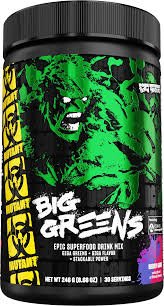 Mutant Big Greens Berry€20.90 In stock 30 Servings is a greens superfood complex that, alongside probiotics, contains digestive enzymes and multiple gut-supportive plant extracts — a practical all-in-one solution for time-pressed athletes.
Explore probiotic options at maxfit.ee's probiotic category.
When to Take Probiotics in a Training Context?
Daily consistent use (not only on training days) is more effective than episodic supplementation. The microbiome needs time to stabilise — research indicates 4–8 weeks before noticeable changes appear.
Specific timing windows:
- Before a long race/training block: start a probiotic course 4–6 weeks ahead
- During antibiotics: take 2 hours after the antibiotic dose
- Travel: begin 2 weeks before departure
Diet + Probiotics = Synergistic Combination
Probiotics work better when the gut also receives prebiotics. Recommended combination for athletes:
- High-fibre foods (oats, legumes, vegetables)
- ICONFIT Superfoods Inulin Powder 250g as a prebiotic
- Fermented foods (yoghurt, kefir, sauerkraut)
FAQ
Do probiotics directly improve athletic performance?
Direct performance enhancement is difficult to prove. However, indirect benefits — better immunity, fewer sick days, improved nutrient absorption — can affect training consistency and therefore long-term results.
Does a plant-based athlete need different probiotics?
Not necessarily. A plant-rich diet already influences the gut microbiome positively. Plant-based eating naturally supports Bifidobacterium and Lactobacillus strains. The supplement options are the same.
Can probiotics help athletes with body composition?
Some studies have associated certain probiotic strains with reduced body fat accumulation during intense training periods. However, this is still experimental and does not replace diet or training.
References
- Dokladny, K. et al. (2009). Physiologically relevant increase in temperature causes an increase in intestinal epithelial tight junction permeability. American Journal of Physiology, 297(4), G1105–G1114.
- de Oliveira, E. P. et al. (2017). Gastrointestinal complaints during exercise: prevalence, etiology, and nutritional recommendations. Sports Medicine, 44(Suppl 1), S79–S85.
- Gleeson, M. et al. (2011). Daily probiotic's (Lactobacillus casei Shirota) reduction of infection incidence in athletes. International Journal of Sport Nutrition and Exercise Metabolism, 21(1), 55–64.
- Pugh, J. N. et al. (2019). Probiotic supplementation increases carbohydrate metabolism in trained male cyclists. European Journal of Nutrition, 58(8), 2915–2926.
- Mach, N., & Fuster-Botella, D. (2017). Endurance exercise and gut microbiota. Journal of Sport and Health Science, 6(2), 179–197.



