
Probiotics and Digestive Enzymes for Weight Management: Does It Work?
Probiotics and digestive enzymes are two categories of supplements frequently linked to gut health, and both have been promoted as tools for weight management. The marketing can sound compelling: a healthier gut microbiome means better metabolism; better enzyme activity means less bloating and more efficient digestion. But what does the evidence actually show?
Proposed Mechanisms
Probiotics and the gut-weight connection: The gut microbiome influences energy harvest from food, inflammation, short-chain fatty acid production, and gut-brain signalling of satiety. Animal studies demonstrated that gut bacteria composition affects body weight, which prompted interest in whether shifting the microbiome via probiotics could influence body weight in humans.
Digestive enzymes and caloric efficiency: Digestive enzymes (amylases, proteases, lipases, and so on) break down macronutrients so they can be absorbed. The theory is that improving enzyme activity reduces bloating, helps the body process nutrients more effectively, and may reduce cravings driven by nutrient malabsorption.
An Honest Look at the Evidence
Probiotics: A systematic review and meta-analysis of randomised controlled trials found that probiotic supplementation was associated with modest reductions in body weight and body mass index compared with placebo (Borgeraas et al., 2018). However, the effects were small and variable across different probiotic strains and populations. The authors noted significant heterogeneity in studies, making it difficult to draw firm conclusions about any particular strain or population.
Lactobacillus and Bifidobacterium strains have received the most study attention. Effects on body fat percentage, waist circumference, and BMI have been inconsistent across trials. A meaningful portion of trials show no statistically significant effect.
Digestive enzymes: Well-designed clinical trials testing digestive enzymes specifically for weight management in healthy adults are limited. Enzyme supplements are more robustly studied for specific digestive conditions - such as exocrine pancreatic insufficiency or lactose intolerance - where enzyme deficiency is the underlying problem. In people with normal digestive function, additional enzymes are unlikely to substantially change how many calories are absorbed, since the gut already produces adequate amounts.
Effect Sizes (If Any)
For probiotics, the meta-analysed effects on body weight are modest at best. The Borgeraas et al. (2018) meta-analysis found mean differences in body weight that, while statistically significant in the pooled analysis, were small in absolute terms. Studies with longer durations showed slightly larger effects, suggesting that short-term supplementation is unlikely to produce noticeable changes.
For digestive enzymes in healthy individuals, robust evidence for meaningful weight change is currently absent from the published literature.
Realistic Expectations
If you are considering probiotics or digestive enzymes for weight management, here is a grounded perspective:
- Probiotics may offer modest support as part of a broader healthy lifestyle, but they are unlikely to substitute for caloric balance, physical activity, and sleep quality.
- Digestive enzyme supplements can meaningfully help people with diagnosed enzyme deficiencies or specific digestive disorders. For healthy adults, their impact on weight is unproven.
- Gut health support through fermented foods, adequate dietary fibre from sources like ICONFIT Superfoods Organic Psyllium Husk Powder 150g and ICONFIT Superfoods Inulin Powder 250g, and probiotic foods may have broader benefits than isolated supplement use alone.
- Probiotics from the seedimisensuumid-ja-probiootikumid category such as
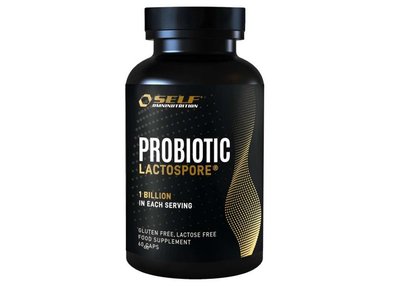 SELF Probiotic Lactospore€15.90 In stock 60 caps and ICONFIT Boulardii 60caps may support digestive comfort and regularity, which indirectly supports healthier eating habits.
Better Levers for Weight Management
If weight management is your primary goal, the research consistently points to interventions with far stronger effect sizes:
- Energy balance: Caloric intake relative to expenditure is the dominant driver of body weight change.
- Protein intake: Higher protein diets are associated with greater satiety and better muscle preservation during weight loss.
- Resistance training: Building muscle increases resting metabolic rate over time.
- Sleep quality: Short sleep duration is linked to disrupted appetite hormones and increased caloric intake.
- Dietary fibre: Soluble fibres such as inulin and psyllium increase satiety and support a diverse gut microbiome. Fibre supplements from the kiudained category are a straightforward way to increase daily intake.
Gut health support - whether from probiotics, fermented foods, or fibre - is genuinely worthwhile for digestive wellbeing. Just set realistic expectations around its specific contribution to body weight.
FAQ
Will taking probiotics every day help me lose weight?
Probiotics may support modest weight management as part of a comprehensive approach. Evidence from meta-analyses of randomised trials suggests small effects (Borgeraas et al., 2018), but probiotics alone, without changes in diet or activity, are unlikely to produce meaningful weight loss. Their greater value is in gut health and digestive regularity.
Do digestive enzymes help burn fat?
No. Digestive enzymes break down food for absorption; they do not stimulate fat oxidation or increase metabolism in the way that the term 'fat burning' implies. In healthy individuals with adequate endogenous enzyme production, supplemental enzymes are unlikely to change the number of calories absorbed in a meaningful way.
Which is better for gut health: probiotics or fibre?
Both serve different roles and are complementary rather than interchangeable. Probiotics introduce specific live microorganism strains. Dietary fibre, including prebiotic fibres such as inulin, feeds the existing gut microbiome and supports microbial diversity. Most gut health research supports combining adequate fibre intake with probiotic foods or supplements for best outcomes.
References
Borgeraas, H., Johnson, L. K., Skattebu, J., Hertel, J. K., & Hjelmesaeth, J. (2018). Effects of probiotics on body weight, body mass index, fat mass and fat percentage in subjects with overweight or obesity: a systematic review and meta-analysis of randomized controlled trials. Obesity Reviews, 19(2), 219-232. https://pubmed.ncbi.nlm.nih.gov/29047207/



