
Probiotics & Digestive Enzymes Stacking: What Works and What Doesn't
Combining probiotics and digestive enzymes is one of the most popular gut-health stacks — and for good reason. These two supplement categories address complementary aspects of digestion: enzymes help break down macronutrients, while probiotics support the microbial environment that absorption depends on. Understanding probiotics & digestive enzymes stacking properly means knowing where the synergies are real, where conflicts lurk, and how timing changes everything.
Evidence-Based Synergies
The gut microbiome and digestive enzyme activity are deeply intertwined. Probiotic bacteria — particularly Lactobacillus and Bifidobacterium strains — produce short-chain fatty acids that maintain the intestinal mucosal lining, indirectly supporting the environment in which brush-border enzymes (lactase, sucrase) operate. A 2017 randomised controlled trial found that a multi-strain probiotic supplement improved self-reported digestive comfort and reduced bloating compared to placebo (Hungin et al., 2017).
Digestive enzymes, in turn, reduce the load of undigested substrate reaching the lower colon, which can otherwise feed gas-producing bacteria and create an environment hostile to beneficial species. Taken together before a large or complex meal, the combination may reduce post-meal discomfort better than either alone.
SELF Probiotic Lactospore 60 caps and ICONFIT Boulardii 60caps are available at maxfit.ee for the probiotic side of this stack. For fibre support, 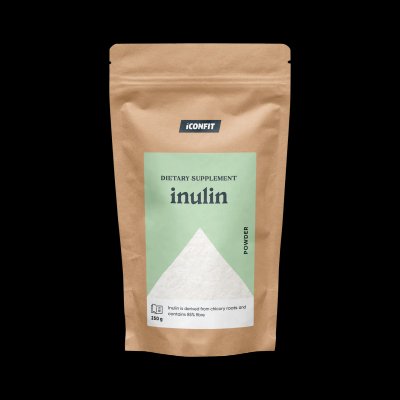 ICONFIT Superfoods Inulin Powder€7.40 In stock 250g acts as a prebiotic substrate that feeds the introduced strains.
Antagonistic Combinations
Not all pairings are helpful. Broad-spectrum digestive enzyme blends that include protease at high concentrations may, in theory, degrade certain probiotic bacteria if both are taken simultaneously in the same capsule or liquid. This concern is most relevant for poorly encapsulated formulations.
OstroVit Berberine 90tabs is sometimes stacked with gut-health formulas for blood sugar support, but berberine has documented antimicrobial properties (Imenshahidi & Hosseinzadeh, 2019). Taking berberine at the same time as probiotics may reduce bacterial viability — spacing them by at least two hours is prudent.
High-dose iron supplementation can also disrupt the probiotic microenvironment; if you take iron, separate it from probiotic doses.
Timing Within a Stack
Timing matters more for this stack than for most:
- Digestive enzymes: Take with the first bite of a meal. Enzymes work in the gut lumen and must be present when food arrives.
- Probiotics: Most evidence supports taking them with a small amount of food (not a full meal) to protect bacteria from gastric acid. Some enteric-coated formulations are more flexible.
- Prebiotics (inulin, psyllium): Can be taken with or between meals; they do not need to co-arrive with a large bolus.
- Berberine: If used in the same stack, take at least 90–120 minutes away from probiotic doses.
| Supplement | Best Timing | Notes |
|---|---|---|
| Digestive enzymes | With first bite of meal | Must coincide with food |
| Probiotics | With a small snack | Protects bacteria from acid |
| Inulin / psyllium | Any time, with liquid | Feeds established flora |
| Berberine | Separate from probiotics | Antimicrobial risk if co-administered |
Sample Stacks by Goal
Goal: Reduce post-meal bloating
- Digestive enzyme blend with each main meal
- Multi-strain probiotic (e.g., SELF Probiotic Lactospore 60 caps) with a light snack
- Inulin or ICONFIT Superfoods Organic Psyllium Husk Powder 150g once daily for fibre support
Goal: Gut microbiome restoration after antibiotics
- Saccharomyces boulardii (e.g., ICONFIT Boulardii 60caps) during the antibiotic course and two weeks after
- Multi-strain Lactobacillus/Bifidobacterium probiotic after antibiotic course
- Digestive enzymes as needed for food tolerance
- Avoid berberine until microbiome is stable
Goal: General digestive maintenance
- Prebiotic fibre daily
- Low-dose probiotic three to five times per week
- Digestive enzymes only on heavy-meal days
What to Avoid
- Combining probiotics and enzymes in the same gulp of water: enteric coating matters; check formulations.
- Taking berberine and probiotics together: space them out.
- Over-stacking: adding five or six gut supplements at once makes it impossible to identify what is helping or causing side effects. Introduce one product at a time over two-week intervals.
- High-temperature liquids: hot tea or coffee taken simultaneously can reduce enzyme and bacterial viability.
Browse the full probiotics and digestive enzymes range at maxfit.ee and complementary fibre products.
References
Hungin, A. P. S., Mulligan, C., Pot, B., Whorwell, P., Agréus, L., Fracasso, P., Lionis, C., Mendive, J., Philippart de Foy, J. M., Rubin, G., Winchester, C., & de Wit, N. (2013). Systematic review: probiotics in the management of lower gastrointestinal symptoms in clinical practice -- an evidence-based international guide. Alimentary Pharmacology & Therapeutics, 38(8), 864-886. https://pubmed.ncbi.nlm.nih.gov/23981066/
Imenshahidi, M., & Hosseinzadeh, H. (2019). Berberine and barberry (Berberis vulgaris): A clinical review. Phytotherapy Research, 33(3), 504-523. https://pubmed.ncbi.nlm.nih.gov/30637820/
Snelson, M., & Coughlan, M. T. (2019). Dietary advanced glycation end products: digestion, metabolism and modulation of gut microbial ecology. Nutrients, 11(2), 215. https://pubmed.ncbi.nlm.nih.gov/31398841/
FAQ
Can I take probiotics and digestive enzymes at the same time?
Yes, but check the formulation. If both are in well-encapsulated forms and taken with food, they can be co-administered safely. To be cautious, a 15–30 minute gap between a probiotic capsule and an enzyme blend is reasonable.
Does berberine kill probiotics?
Berberine has documented antimicrobial activity in vitro, so there is a theoretical concern about co-administration. Spacing berberine at least 90 minutes from your probiotic dose is the practical recommendation until more specific human data are available.
How long before I notice improvements from stacking probiotics and digestive enzymes?
Imediate effects (reduced bloating at a single meal) can occur within days of starting digestive enzymes. Probiotic effects on the broader microbiome environment typically require four to eight weeks of consistent use to become measurable.



