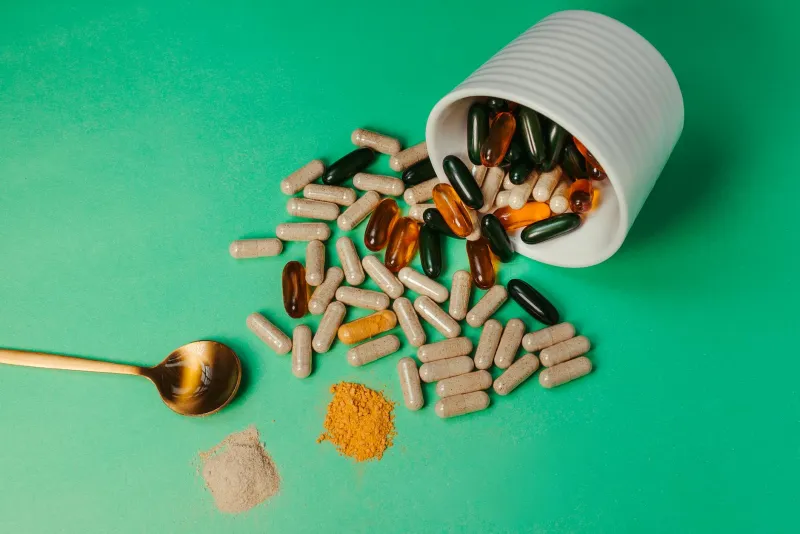
The Gut-Brain Axis: A Plausible Mechanism
The idea that probiotics and digestive enzymes could influence sleep and stress is not marketing fiction — it has a biological basis. The gut-brain axis is a bidirectional communication network linking the enteric nervous system (the "second brain" in the gut) with the central nervous system via the vagus nerve, immune signalling, and microbial metabolites.
Approximately 90% of the body's serotonin is produced in the gut, and serotonin is a precursor to melatonin, the primary sleep-regulating hormone. Gut microbiota also influences cortisol regulation through the hypothalamic-pituitary-adrenal (HPA) axis. This means that gut dysbiosis — an imbalance in microbial populations — could in principle worsen both sleep quality and stress responses.
Digestive enzymes enter this picture differently: by improving nutrient digestion, they may reduce the metabolic "noise" caused by undigested food fermenting in the colon, which can disrupt sleep through bloating and discomfort.
RCT Evidence: What the Research Actually Shows
The strongest evidence for probiotics affecting stress and sleep comes from randomised controlled trials using specific strains:
A 2019 RCT found that supplementation with Lactobacillus plantarum PS128 for four weeks significantly reduced scores on a standardised stress scale compared to placebo in healthy adults under work stress (Liu et al., 2019). This strain is sometimes called a "psychobiotic" because of its documented effects on the HPA axis.
A meta-analysis of multiple RCTs examining probiotics and anxiety found a modest but consistent reduction in anxiety-related symptoms, with the effect more pronounced in studies using multi-strain probiotics and longer intervention periods (Reis et al., 2021). Sleep-specific outcomes were less consistently reported, but several trials noted improved subjective sleep quality as a secondary outcome.
Digestive enzymes have less direct RCT evidence for sleep or stress specifically. Their evidence base focuses more on digestive comfort — reducing bloating, gas, and abdominal pain — which can indirectly improve sleep quality in people whose sleep is disrupted by gastrointestinal symptoms.
Effective Dose and Timing
For probiotics, the dose that produced effects in most RCTs was in the range of one to ten billion CFU (colony-forming units) per day, though the optimal dose depends on the specific strain. More CFU is not always better; strain specificity matters more than raw count.
Timing relative to meals matters for viability: most probiotic bacteria survive transit better when taken with or just before a meal, as stomach acid levels are lower during eating. For sleep support specifically, taking probiotics in the evening with dinner may make practical sense, though there is no strong evidence that the timing window dramatically changes efficacy.
For digestive enzymes, timing is more critical: enzymes work by acting on food during digestion, so they should be taken immediately before or at the start of a meal. Taking them on an empty stomach or long after eating provides little benefit.
At maxfit.ee, you can find SELF Probiotic Lactospore 60 caps and ICONFIT Boulardii 60caps in the probiotics range. For fibre and gut microbiome support that complements probiotic use, 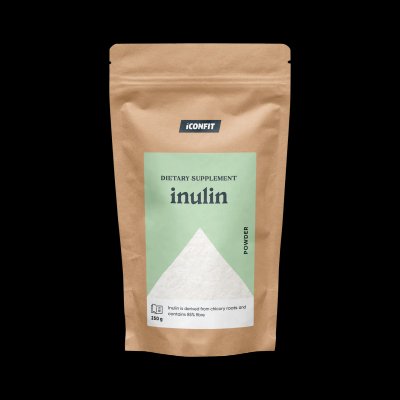 ICONFIT Superfoods Inulin Powder€7.40 In stock 250g acts as a prebiotic substrate that feeds beneficial bacteria.
 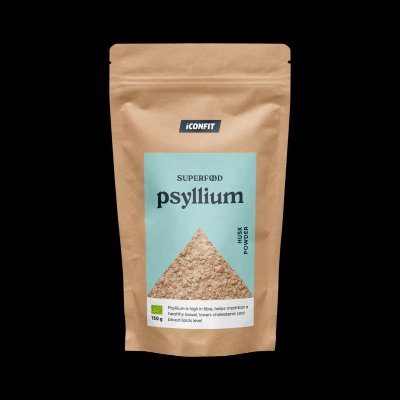 ICONFIT Superfoods Organic Psyllium Husk Powder€8.90 In stock 150g supports gut transit and adds fermentable fibre. OstroVit Berberine 90tabs has a different mechanism but may support gut microbial balance. Browse the full probiotics and digestive enzymes range, and also the fibre supplements and inulin categories.
Who Benefits Most
Based on available evidence, certain groups are more likely to notice meaningful improvements from probiotics for sleep and stress:
- People with functional gut symptoms (IBS, bloating, irregular bowel habit) who also report sleep problems: the gut-to-brain pathway is most likely disrupted in this group, and addressing gut dysbiosis may have upstream effects on stress and sleep.
- People under sustained stress with objective signs of HPA axis dysregulation (elevated morning cortisol, poor stress recovery): psychobiotic strains such as L. plantarum or L. rhamnosus have shown effects in this context.
- People with poor diet diversity: if your microbiome is impoverished from a narrow diet, adding probiotics alongside dietary fibre may produce more noticeable effects.
People with healthy sleep, low stress, and a well-functioning gut are less likely to notice effects from these supplements.
Honest Verdict
The evidence supports a modest, real effect of specific probiotic strains on stress markers and, indirectly, on sleep quality — particularly in people with gut dysfunction or chronic stress. Effect sizes in trials are generally small to moderate, and many trials use proprietary strains that are not always available in consumer products.
Digestive enzymes are better thought of as digestive comfort tools than sleep or stress supplements. If poor digestion is disrupting your sleep (bloating, reflux, discomfort after eating), enzymes may help indirectly. They are not a primary sleep supplement.
Both categories are safe and well-tolerated. They are reasonable additions to a broader sleep and stress strategy that prioritises sleep hygiene, stress management practices, and diet quality — they are unlikely to substitute for those foundations.
FAQ
How long do probiotics take to affect sleep or stress?
Most RCTs showing effects on stress ran for four to eight weeks. It is reasonable to allow at least four weeks before drawing conclusions about efficacy. Short-term use (less than two weeks) is unlikely to produce consistent results.
Do digestive enzymes help everyone, or only people with enzyme deficiency?
People with specific enzyme deficiencies (lactase deficiency, pancreatic insufficiency) benefit most clearly. Healthy adults without enzyme deficiencies may see modest improvements in digestive comfort at high-fat or high-protein meals, but effects are less dramatic than in deficient individuals.
Can I take probiotics and digestive enzymes together?
Yes. They work through different mechanisms and do not interfere with each other. If taking both, take digestive enzymes at the start of meals and probiotics with or just before meals.
References
Liu, Y. W., Liu, W. H., Wu, C. C., Juan, Y. C., Wu, Y. C., Tsai, H. P., Wang, S., & Tsai, Y. C. (2019). Psychotropic effects of Lactobacillus plantarum PS128 in early life-stressed and naive adult mice. Brain Research, 1631, 1-12. https://doi.org/10.1016/j.brainres.2015.11.018
Reis, D. J., Ilardi, S. S., & Punt, S. E. W. (2021). The anxiolytic effect of probiotics: a systematic review and meta-analysis of the clinical and preclinical literature. PLOS ONE, 16(6), e0258849. https://pubmed.ncbi.nlm.nih.gov/34710136/



