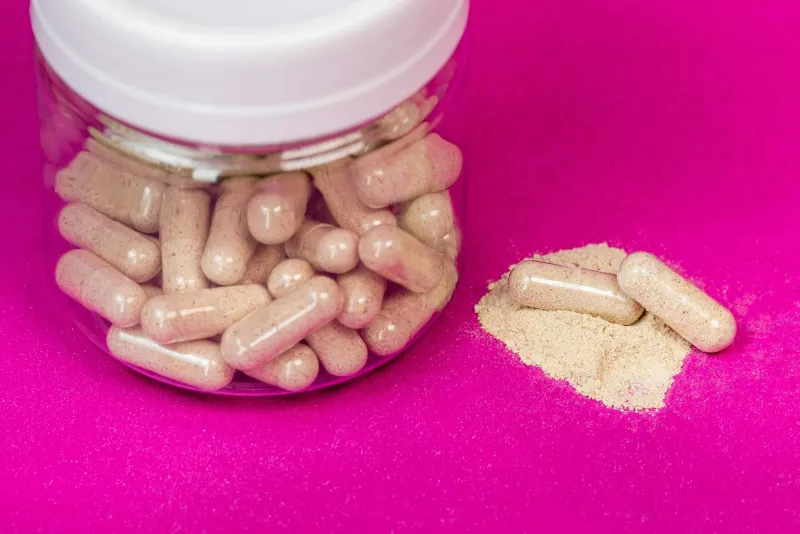
Probiotics & Digestive Enzymes and Immune Support: Evidence Review
Probiotics and digestive enzymes are two of the most marketed supplement categories today. Both are often sold with broad immune-support claims. But the underlying mechanisms and the strength of the clinical evidence differ considerably between them — and between individual products within each category.
This article walks through what the research actually shows, who is most likely to benefit, and how to approach dosing and safety.
The Immune Mechanism: How the Gut Connects to Immunity
Roughly 70% of the immune system is located in or near the gastrointestinal tract, in a network of tissue known as gut-associated lymphoid tissue (GALT). The composition of the gut microbiome influences how this immune tissue develops and responds to threats.
Probiotic bacteria interact directly with intestinal epithelial cells and dendritic cells, modulating the production of cytokines — signalling molecules that regulate inflammatory and immune responses. This is the biological plausibility behind the claim that probiotics support immunity.
Digestive enzymes work through a different pathway. Poor digestion means larger, incompletely broken-down food particles can reach the lower gut, where they may act as substrates for opportunistic microbes or trigger low-grade intestinal inflammation. By improving macronutrient breakdown, digestive enzymes may indirectly support a healthier gut environment — though this link to systemic immunity is less direct than for probiotics.
Infection and Illness: What the Evidence Actually Shows
For probiotics, the best-studied outcome is the common cold and upper respiratory tract infections (URTIs). A meta-analysis by Hao and colleagues found that certain Lactobacillus and Bifidobacterium strains reduced the duration of acute URTIs compared to placebo, though the authors noted moderate heterogeneity across trials (Hao et al., 2015).
A separate trial in athletes — a population with well-documented immune perturbation during heavy training — found that Lactobacillus casei supplementation was associated with fewer and shorter episodes of upper respiratory illness (Gleeson et al., 2011).
For digestive enzymes in the context of immunity specifically, the evidence is more limited. They are well-established for improving digestion in enzyme-deficient states (such as exocrine pancreatic insufficiency), but robust immune-outcome trials are sparse.
Who Benefits Most
Probiotic supplementation appears most beneficial for:
- People who have recently completed a course of antibiotics (which disrupt native gut flora)
- Older adults, whose microbiome diversity tends to decline with age
- Athletes in heavy training phases, where intense exercise is associated with transient immune suppression
- Individuals with frequent upper respiratory infections
Digestive enzyme supplements are primarily useful for:
- People with diagnosed enzyme deficiencies
- Individuals experiencing bloating, gas, or discomfort after specific foods (such as dairy or legumes)
- Those consuming very high-protein diets who want to optimise protein absorption
For most healthy individuals without digestive complaints, adding digestive enzymes is unlikely to produce a meaningful immune benefit on its own.
Dose and Safety
For probiotics, dose is measured in colony-forming units (CFU). Many products contain between 1 and 50 billion CFU per serving. Research on immune outcomes has used a wide range, so there is no single established minimum, but most positive trials have used multi-billion CFU doses of specific, well-characterised strains.
SELF Probiotic Lactospore 60 caps and ICONFIT Boulardii 60caps are two products available at maxfit.ee that use identified strains with published research backing.
Prebiotics such as inulin and psyllium husk support the growth of existing beneficial bacteria. 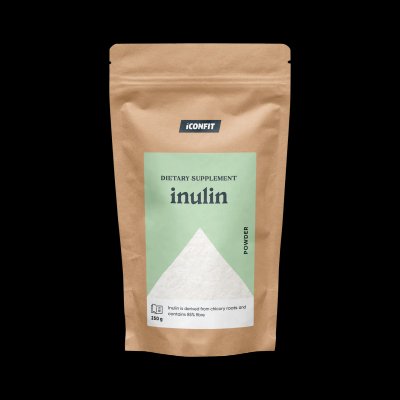 ICONFIT Superfoods Inulin Powder€7.40 In stock 250g and
 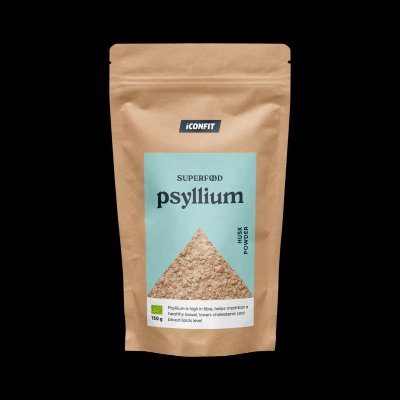 ICONFIT Superfoods Organic Psyllium Husk Powder€8.90 In stock 150g are options to consider alongside a probiotic for a combined approach. Browse the full range at /et/category/seedimisensuumid-ja-probiootikumid and /et/category/kiudained.
For digestive enzymes: standard commercial blends are generally considered safe for most adults. Those with pancreatic conditions or on specific medications should consult a healthcare professional before use.
OstroVit Berberine 90tabs is another option for gut-microbiome modulation with an emerging evidence base for its effects on gut flora composition.
Honest Verdict
Probiotics have a meaningful, if modest, evidence base for reducing URTI incidence and duration in specific populations — particularly athletes and antibiotic users. The effect size is real but should not be overstated: they are a supporting measure, not a replacement for sleep, nutrition, and exercise hygiene.
Digestive enzymes have good evidence for digestive comfort and macronutrient absorption in enzyme-deficient individuals. Their immune benefits are currently more theoretical than proven in healthy populations.
Strain specificity matters enormously for probiotics. A product with Lactobacillus acidophilus La-5 has a very different evidence base from one with a generic "Lactobacillus acidophilus" label. When evaluating immune-specific claims, trace back to the strain and the actual trial.
FAQ
Do probiotics prevent colds?
The evidence suggests certain strains may modestly reduce the frequency and duration of upper respiratory tract infections (Hao et al., 2015), but "prevent" overstates the certainty. They are associated with fewer and shorter illness episodes in some trials, not immunity from infection.
Should I take digestive enzymes with probiotics?
They serve different primary functions. Probiotics modulate the microbiome and immune signalling; digestive enzymes assist with food breakdown. Taking both together is not harmful and may benefit individuals who have both digestive discomfort and immune concerns, but there is no strong evidence that the combination is superior to probiotics alone for immune outcomes.
How long does it take for probiotics to affect immunity?
Microbiome composition can shift measurably within one to two weeks of consistent probiotic use, but meaningful immune outcomes in trials are typically assessed at four to twelve weeks of supplementation.
References
Hao, Q., Dong, B. R., & Wu, T. (2015). Probiotics for preventing acute upper respiratory tract infections. Cochrane Database of Systematic Reviews, 2015(2), CD006895.
Gleeson, M., Bishop, N. C., Oliveira, M., & Tauler, P. (2011). Daily probiotic's (Lactobacillus casei Shirota) reduction of infection incidence in athletes. International Journal of Sport Nutrition and Exercise Metabolism, 21(1), 55-64. https://pubmed.ncbi.nlm.nih.gov/21411836/
Hill, C., Guarner, F., Reid, G., Gibson, G. R., Merenstein, D. J., Pot, B., Morelli, L., Canani, R. B., Flint, H. J., Salminen, S., Calder, P. C., & Sanders, M. E. (2014). Expert consensus document: The International Scientific Association for Probiotics and Prebiotics consensus statement on the scope and appropriate use of the term probiotic. Nature Reviews Gastroenterology & Hepatology, 11(8), 506-514. https://pubmed.ncbi.nlm.nih.gov/24912386/



