
Probiotics and Digestive Enzymes After 50: Benefits and Safety
Digestive function changes gradually with age. By the time most people reach their fifties, several physiological shifts are underway that can affect how well nutrients are absorbed from food. Understanding these changes helps clarify when probiotics and digestive enzymes might offer genuine benefit — and when caution is warranted.
Age-Related Digestive Changes
After 50, the digestive system shows several consistent patterns:
- Reduced stomach acid production (hypochlorhydria): Many older adults produce less hydrochloric acid than younger people. Adequate stomach acid is needed to activate pepsin (protein-digesting enzyme) and to facilitate absorption of minerals like iron, calcium, and vitamin B12.
- Slower gut motility: The speed at which food moves through the digestive tract tends to decrease, which can contribute to constipation and changes in microbiome composition.
- Altered gut microbiome: Diversity of beneficial bacterial species tends to decline with age, while some potentially harmful bacteria may increase. Research has documented reduced counts of Bifidobacterium and Lactobacillus species in older compared with younger adults (Claesson et al., 2012).
- Reduced pancreatic enzyme output: Pancreatic secretion of digestive enzymes (lipase, amylase, protease) tends to be somewhat lower in older adults, though clinically significant deficiency is less common than subclinical reduction.
Absorption Changes and Why They Matter
Suboptimal gastric acid and enzyme secretion can impair absorption of protein, fat, and several micronutrients. Vitamin B12 is particularly vulnerable: its absorption from food depends on adequate intrinsic factor and stomach acid. The consequence is that dietary B12 intake may not translate to adequate blood levels in some older adults — a well-documented phenomenon (Baik & Russell, 1999).
Fat-soluble vitamins (A, D, E, K) also depend on adequate lipase and bile secretion for absorption. Protein digestion efficiency may also decrease, potentially affecting muscle maintenance in older adults.
Dose and Safety for Seniors
For probiotics, strains such as Lactobacillus acidophilus, Lactobacillus rhamnosus, and Bifidobacterium longum have the longest track record in adult and elderly populations. They are generally well tolerated. Side effects, when they occur, are typically mild (temporary gas, bloating) in the first few days and resolve with continued use.
For immunocompromised individuals (post-transplant, active cancer treatment, severe systemic disease), live probiotic use requires medical supervision due to theoretical risk of bacteraemia — though this risk is considered very low in otherwise healthy older adults.
For digestive enzyme supplements, broad-spectrum products containing protease, lipase, and amylase can complement what the pancreas provides. They are well tolerated in most people. Individuals with chronic pancreatitis should only use prescribed enzyme therapy under medical guidance.
Interactions with Medication
Older adults on polypharmacy should be aware of several interactions:
- Probiotics + immunosuppressants: Theoretical concern; consult a physician.
- Digestive enzymes + blood thinners: Some enzyme products contain high amounts of vitamin K from botanical sources; check labels if taking warfarin.
- Fibre supplements (psyllium, inulin): Can slow absorption of some medications; take at least 2 hours apart from any drug.
When to Supplement
Probiotics and digestive enzymes are not necessary for everyone over 50. Strongest candidates for consideration include:
- Those experiencing chronic constipation or loose stools without a medical explanation.
- People who notice undigested food in stool or heavy bloating after meals.
- Individuals who have recently completed a course of antibiotics.
- Those with low dietary fibre intake who want to support microbiome diversity.
Fibre sources such as ICONFIT Superfoods Inulin Powder 250g (prebiotic) and ICONFIT Superfoods Organic Psyllium Husk Powder 150g work synergistically with probiotics by feeding beneficial bacteria. 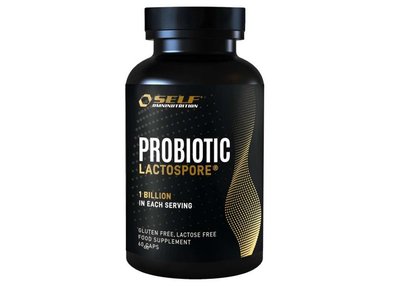 SELF Probiotic Lactospore€15.90 In stock 60 caps and ICONFIT Boulardii 60caps are available options at maxfit.ee. Browse the full range in the digestive enzymes and probiotics category and the fibre category.
References
Claesson, M. J., Jeffery, I. B., Conde, S., Power, S. E., O'Connor, E. M., Cusack, S., Harris, H. M., Coakley, M., Lakshminarayanan, B., O'Sullivan, O., Fitzgerald, G. F., Deane, J., O'Connor, M., Harnedy, N., O'Connor, K., O'Mahony, D., van Sinderen, D., Wallace, M., Brennan, L., et al. (2012). Gut microbiota composition correlates with diet and health in the elderly. Nature, 488(7410), 178–184. https://pubmed.ncbi.nlm.nih.gov/22797518/
Baik, H. W., & Russell, R. M. (1999). Vitamin B12 deficiency in the elderly. Annual Review of Nutrition, 19, 357–377. https://pubmed.ncbi.nlm.nih.gov/10448529/
Marteau, P. R., de Vrese, M., Cellier, C. J., & Schrezenmeir, J. (2001). Protection from gastrointestinal diseases with the use of probiotics. American Journal of Clinical Nutrition, 73(2 Suppl), 430S–436S.
FAQ
Should everyone over 50 take probiotics?
Not necessarily. Those with consistent digestive complaints, recent antibiotic use, or a known low-diversity diet stand to benefit most. Healthy adults with no digestive issues and a varied diet rich in fermented foods and fibre may not need supplementation.
Can digestive enzymes replace medication for digestive issues?
No. Enzyme supplements can support digestion in people with subclinical reductions in enzyme output, but diagnosed conditions such as chronic pancreatitis or exocrine pancreatic insufficiency require prescribed enzyme replacement therapy.
Are probiotics safe to take with antibiotics?
Yes, but timing matters. Take probiotics at least 2–3 hours apart from the antibiotic dose to avoid the antibiotic killing the probiotic bacteria before they can act.



