
Signs You Need Probiotics & Digestive Enzymes
Probiotics and digestive enzymes are among the most purchased supplements globally, yet many people are unsure whether they actually need them or are simply following a trend. Understanding the signs that suggest your gut microbiome or enzyme capacity may be suboptimal can help you make better decisions about supplementation.
What Are Probiotics and Digestive Enzymes?
Probiotics are live microorganisms that, when consumed in adequate amounts, may confer a health benefit on the host. Digestive enzymes are proteins that catalyse the breakdown of food components — amylase for starches, lipase for fats, proteases for proteins, and lactase for lactose, among others. Both are distinct: probiotics affect microbial ecology; enzymes facilitate chemical digestion.
Deficiency Symptoms
There is no single blood test that defines "probiotic deficiency," but several signs suggest microbiome imbalance or enzyme insufficiency:
Signs pointing to enzyme insufficiency:
- Undigested food particles visible in stool
- Bloating and gas shortly after meals, particularly after fatty or protein-rich foods
- Oily, floating, or pale stools (suggesting fat malabsorption)
- Persistent indigestion despite dietary adjustments
Signs pointing to microbiome disruption:
- Persistent bloating and flatulence not explained by food choices
- Irregular bowel habits — alternating between constipation and loose stools
- Antibiotic-associated diarrhoea during or after antibiotic treatment
- History of recurrent gut infections
A systematic review confirmed that probiotic supplementation significantly reduces the incidence and duration of antibiotic-associated diarrhoea (Hempel et al., 2012), which is one of the more robustly demonstrated applications.
At-Risk Groups
Certain groups are more likely to benefit from probiotic and/or enzyme support:
- Antibiotic users: Antibiotics disrupt gut microbiota diversity. Research shows that microbiome composition can be altered for months after a course of antibiotics.
- Older adults: Pancreatic enzyme output naturally decreases with age, and age-related changes in gut microbiota composition are well-documented (Biagi et al., 2010).
- People with lactose intolerance: Lactase enzyme activity declines in most adults; supplemental lactase or specific probiotic strains can improve dairy tolerance.
- Individuals with IBS or functional gut disorders: Meta-analyses support modest benefits of certain probiotic strains for IBS symptoms (Ford et al., 2014).
- Those with low-fibre diets: Dietary fibre feeds beneficial bacteria. Inadequate intake starves the microbiome.
How Deficiency Is Assessed
For pancreatic enzyme insufficiency, clinicians use faecal elastase-1 measurement — a stool test that reflects exocrine pancreatic output. For microbiome status, gut microbiome sequencing tests are commercially available but not yet standardised enough for routine clinical decision-making. In most cases, symptom assessment and clinical history guide decisions.
Nordic and Estonian Context
Northern European diets have historically included fermented foods such as pickled vegetables and kefir, which provide natural probiotic exposure. However, modern eating patterns in Estonia and across the region have shifted toward processed food with lower fibre content. Combined with frequent antibiotic use — Estonia has historically had above-average antibiotic consumption relative to some Northern European neighbours — gut microbiome disruption may be more common than assumed.
When to Supplement vs Focus on Diet
For most people, diet should come first:
- Increase fermented food consumption (kefir, fermented vegetables, natural yoghurt)
- Raise dietary fibre intake from vegetables, legumes, and whole grains
- Include prebiotic foods that feed beneficial bacteria (garlic, onions, oats, chicory)
Supplementation is most rational when:
- You are taking or have recently taken antibiotics
- You have confirmed enzyme insufficiency
- Dietary changes alone have not resolved persistent symptoms over several weeks
- You are in an at-risk group with confirmed microbiome disruption
Products such as SELF Probiotic Lactospore 60 caps and ICONFIT Boulardii 60caps are available at maxfit.ee. For fibre and prebiotic support, consider 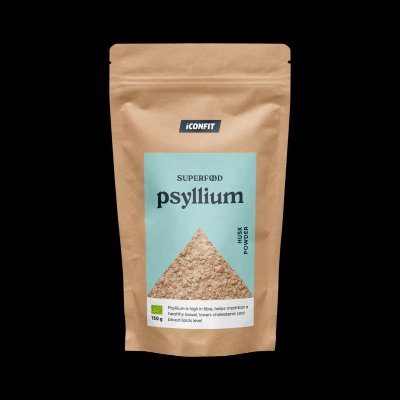 ICONFIT Superfoods Organic Psyllium Husk Powder€8.90 In stock 150g and
 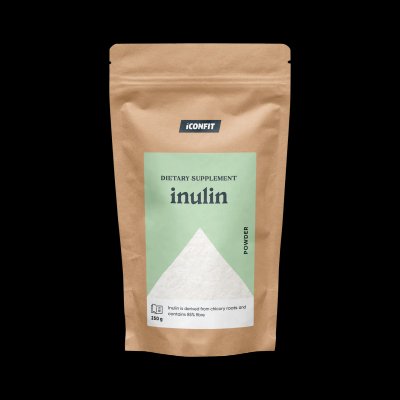 ICONFIT Superfoods Inulin Powder€7.40 In stock 250g. The category pages for digestive enzymes and probiotics and fibre list the full range.
References
Hempel, S., Newberry, S. J., Maher, A. R., Wang, Z., Miles, J. N., Shanman, R., et al. (2012). Probiotics for the prevention and treatment of antibiotic-associated diarrhea: a systematic review and meta-analysis. JAMA, 307(18), 1959-1969. https://pubmed.ncbi.nlm.nih.gov/22570464/
Biagi, E., Nylund, L., Candela, M., Ostan, R., Bucci, L., Pini, E., et al. (2010). Through ageing, and beyond: gut microbiota and inflammatory status in seniors and centenarians. PLOS ONE, 5(5), e10667. https://pubmed.ncbi.nlm.nih.gov/20498852/
Ford, A. C., Quigley, E. M., Lacy, B. E., Lembo, A. J., Saito, Y. A., Schiller, L. R., et al. (2014). Efficacy of prebiotics, probiotics, and synbiotics in irritable bowel syndrome and chronic idiopathic constipation: systematic review and meta-analysis. American Journal of Gastroenterology, 109(10), 1547-1561. https://pubmed.ncbi.nlm.nih.gov/25070051/
FAQ
How do I know if I need probiotics rather than digestive enzymes?
Symptoms appearing shortly after meals, tied to specific food types (fatty meals, dairy), and involving undigested food in stool point more toward enzyme insufficiency. Symptoms that are more chronic, fluctuating, or associated with recent antibiotic use are more suggestive of microbiome disruption responsive to probiotics. In practice, overlap is common and both interventions may be tried sequentially.
Can I take probiotics and digestive enzymes together?
Yes. They work through different mechanisms and do not interfere with each other. Some formulations combine both. However, starting one at a time makes it easier to identify which is helping.
How long before probiotics start working?
For antibiotic-associated diarrhoea prevention, effects are seen during the antibiotic course. For IBS symptoms, clinical trial protocols typically run four to eight weeks before meaningful effects are evaluated. Short-term trials of one to two weeks are unlikely to be informative for microbiome-related outcomes.



