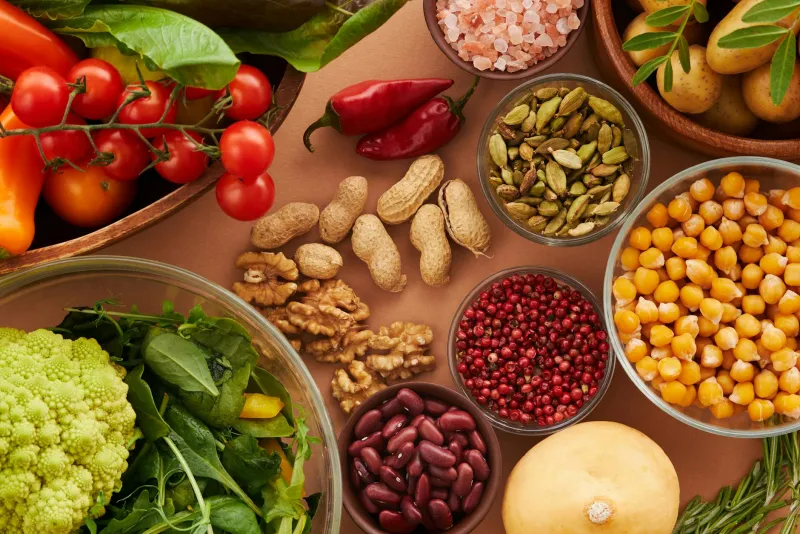
Why Diet Matters for Prostate Health and Male Potency
Diet plays a meaningful supporting role in prostate health and male reproductive function. The prostate gland is highly sensitive to hormonal balance, oxidative stress, and inflammation — all of which are influenced by what you eat over a lifetime. Similarly, vascular health (central to erectile function) is shaped substantially by dietary patterns.
This article covers the natural food sources richest in nutrients associated with prostate health and potency support: lycopene, zinc, selenium, omega-3 fatty acids, saw palmetto phytosterols, quercetin, and specific plant compounds. Where relevant evidence exists, cited quantified claims are included; many associations are observational and supplementation should not replace medical care.
Top Food Sources for Prostate and Potency Support
Tomatoes and Lycopene
Lycopene is a carotenoid antioxidant that accumulates in the prostate gland. Observational epidemiology has consistently linked higher lycopene intake with reduced risk of prostate cancer in some studies, though intervention trial evidence is more mixed. Tomatoes — particularly cooked tomatoes and tomato paste — are the richest dietary lycopene sources. Cooking tomatoes in oil significantly improves lycopene bioavailability compared to raw consumption (Fielding et al., 2005).
Other lycopene-containing foods include watermelon, pink grapefruit, guava, and papaya.
Zinc
The prostate has the highest zinc concentration of any organ in the body. Zinc is involved in testosterone metabolism and prostate cell function. Low zinc intake has been associated with impaired reproductive hormone status in men. The best food sources of zinc include:
- Oysters (by far the richest source)
- Red meat (especially beef)
- Pumpkin seeds
- Chickpeas and lentils
- Cashews
Selenium
Selenium is an antioxidant trace mineral with a proposed role in prostate health. It is incorporated into selenoproteins that reduce oxidative damage in prostate tissue. In parts of Northern Europe, including Estonia, selenium intake from food can be lower than in selenium-richer soils of some other regions, as soil selenium content is relatively low here. Good food sources include:
- Brazil nuts (one to two per day covers the daily requirement)
- Seafood (tuna, halibut, sardines)
- Eggs
- Sunflower seeds
Omega-3 Fatty Acids
Omega-3 fatty acids (EPA and DHA) from oily fish are associated with reduced systemic inflammation, which is relevant to both prostate health and vascular function underlying erectile health. Baltic herring, salmon, mackerel, and sardines are excellent sources available in Estonia.
Pumpkin Seeds
Pumpkin seeds contain phytosterols (notably beta-sitosterol), zinc, and magnesium — all relevant to prostate function. Phytosterols have been studied for mild-to-moderate symptoms of benign prostatic hyperplasia (BPH); evidence is modest but mechanistically plausible.
Allium Vegetables
Garlic, onions, leeks, and chives contain organosulfur compounds and quercetin that support vascular health and have modest anti-inflammatory properties. Regular consumption of allium vegetables is associated with cardiovascular and male reproductive health benefits in population studies.
Green Tea
Epigallocatechin gallate (EGCG) from green tea has been studied for prostate-relevant antioxidant properties in laboratory and some epidemiological contexts. Habitual green tea drinking is culturally uncommon in Estonia but the option is widely available.
Bioavailability: Food vs Supplement
For lycopene, cooking in oil dramatically improves bioavailability from tomatoes. For zinc, animal sources are generally more bioavailable than plant sources due to phytate interference in plant foods — a relevant consideration for those on plant-heavy diets. Selenium from Brazil nuts is efficiently absorbed, though the content per nut varies by origin.
Supplement forms concentrate nutrients to doses difficult to achieve from food alone. For example, achieving high lycopene doses equivalent to those tested in some intervention studies would require many servings of tomato products daily. Similarly, specialised prostate formulas often combine zinc, selenium, saw palmetto, quercetin, and lycopene at doses exceeding typical dietary exposure.
Daily Targets from Diet
For general prostate and potency support through diet, practical daily habits include:
- Tomato-containing meal (cooked, ideally with olive oil) several times per week
- A portion of oily fish (herring, mackerel, salmon) two to three times per week
- A handful of pumpkin seeds or mixed nuts daily
- Allium vegetables (garlic, onion) in regular cooking
- One to two Brazil nuts daily for selenium (do not exceed this regularly due to selenium toxicity risk)
Cooking and Storage Effects
- Lycopene: increases with cooking and fat; tomato paste and puree are richer than fresh tomatoes.
- Zinc: retained well through most cooking methods; excessive boiling of legumes reduces content.
- Selenium: relatively stable during cooking; Brazil nuts do not need to be eaten raw.
- Omega-3: sensitive to high heat; avoid frying fish at very high temperatures; baking, steaming, or eating oily fish cold (e.g., smoked herring) preserves EPA/DHA.
- Phytosterols in pumpkin seeds: heat-stable; roasting modestly affects content.
Nordic and Estonian Context
Estonia is one of the Baltic states where Baltic herring (räim) and sprats are traditional, affordable, and ecologically sustainable sources of omega-3 fatty acids and selenium. Incorporating these year-round is both culturally authentic and nutritionally relevant for prostate and vascular health.
Tomato products (paste, canned tomatoes) are affordable year-round in Estonia and are far better lycopene sources than fresh tomatoes in winter. Pumpkin seeds and sunflower seeds are widely available and pair well with Estonian culinary traditions.
When Food Is Not Enough
For most men, a diet following the food patterns above provides meaningful nutrient support. Consider discussing supplementation with a healthcare professional if:
- You have confirmed low zinc or selenium via blood tests.
- You follow a strict plant-based diet with limited seafood and red meat.
- You are managing BPH symptoms and want to complement medical treatment with evidence-reviewed botanicals.
- You live in an area with known low-selenium soil (relevant in parts of Estonia).
At maxfit.ee, ICONFIT Capsules Zinc N90, SELF Zinc 100tabs, NOW Maca 500mg 100 veg. caps., and OstroVit Triple Zinc 90caps are available in the potency and sexual health category. NOW Omega 3 1000mg products are available in the omega-3 category.
References
Fielding, J. M., Rowley, K. G., Cooper, P., & O'Dea, K. (2005). Increases in plasma lycopene concentration after consumption of tomatoes cooked with olive oil. Asia Pacific Journal of Clinical Nutrition, 14(2), 131-136. https://pubmed.ncbi.nlm.nih.gov/15927929/
Yang, C. S., Wang, X., Lu, G., & Picinich, S. C. (2009). Cancer prevention by tea: animal studies, mechanistic studies, and human observational studies. Nature Reviews Cancer, 9(6), 429-439. https://pubmed.ncbi.nlm.nih.gov/19472429/
Leitzmann, M. F., Stampfer, M. J., Wu, K., Colditz, G. A., Willett, W. C., & Giovannucci, E. L. (2003). Zinc supplement use and risk of prostate cancer. Journal of the National Cancer Institute, 95(13), 1004-1007. https://pubmed.ncbi.nlm.nih.gov/12837837/
FAQ
What is the single most important dietary change for prostate health?
Based on the most consistent evidence, increasing cooked tomato products (for lycopene) and oily fish (for omega-3 and selenium) has the strongest observational support. Both are achievable and culturally accessible in Estonia.
Does red meat harm prostate health?
High consumption of processed red meat is associated with higher prostate cancer risk in some observational studies. Unprocessed red meat in moderation is a zinc source; moderation and dietary diversity matter more than elimination.
Are prostate supplements safe?
Most single-nutrient supplements (zinc, selenium, omega-3) at recommended doses are safe for healthy adults. Saw palmetto and other botanicals have a generally good short-term safety profile. The concern is that high-dose selenium supplementation above recommended levels has been linked to adverse outcomes in clinical trials. Always start with diet and confirm needs via blood work before high-dose supplementation.



