Why Potassium Timing Matters
Potassium is the primary intracellular electrolyte, essential for muscle contraction, nerve conduction, and blood pressure regulation. It is lost rapidly through sweat, particularly during intense exercise. Optimising potassium timing helps prevent cramps, support recovery, and maintain balance with other electrolytes.
With or Without Food?
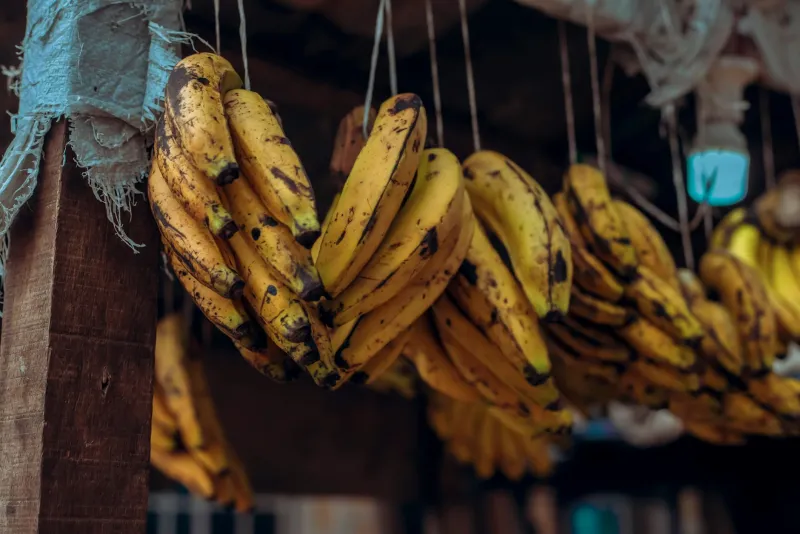
Potassium should always be taken with food. Potassium supplements — especially at higher doses — can cause gastrointestinal discomfort when taken on an empty stomach. Taking them alongside potassium-rich foods (banana, potato, beans, avocado) also avoids nausea.
Taking with food also improves the overall utilisation of potassium, since nutrients tend to work better alongside other food components — especially magnesium and sodium.
Best Time of Day
With Breakfast
Morning is a good time because potassium levels are slightly lower after an overnight fast, and replenishing it helps prepare the body for the day. A morning dose helps maintain normal electrolyte environment in muscles and nerves.
Around Training
During prolonged exercise (over 60 minutes), potassium losses through sweat become significant. Electrolyte drinks consumed during intense training help compensate for these losses (Maughan et al., 2004). Post-workout potassium taken with food supports recovery and helps restore muscle function.
With Dinner
Part of the daily potassium requirement can be met at dinner, particularly when the diet is mineral-poor. Supplementing alongside a potassium-rich meal (potatoes, kale, lentils) helps fill the daily target.
Single vs. Split Dose
Potassium supplements are typically sold in small doses (99 mg per tablet) due to strict regulatory limits on safety grounds. This format naturally encourages split dosing — taking several small amounts throughout the day with meals.
Potassium spread across multiple meals absorbs more evenly and carries a lower risk of hyperkalaemia compared to a single large dose.
Interactions Affecting Timing
Magnesium: Magnesium supports potassium transport into cells. Taking them together (for example, SELF Potassium Magnesium 120 vegan caps) is a logical combination, especially for athletes.
ACE inhibitors and potassium-sparing diuretics: These medications raise blood potassium levels. If you take these drugs, do not add a potassium supplement without a doctor's approval.
Sodium: A high-sodium diet increases potassium excretion. If your post-workout meals are salty, potassium needs will be higher.
Products at MaxFit.ee
You can find potassium supplements at maxfit.ee: SELF Potassium Magnesium 120 vegan caps (combination product) and OstroVit Potassium Citrate 200g (citrate form, good bioavailability). The citrate form is gentler on the stomach and suits those who experience discomfort from minerals taken without food.
Practical Schedule
| Time | Recommended use | Notes |
|---|---|---|
| Breakfast | Replenish after overnight fast | With magnesium and food |
| During training | Electrolytes for prolonged sessions | Sports drinks or tablets |
| Post-workout meal | Recovery and glycogen support | With food |
| Lunch/dinner | Meeting daily target | With food |
FAQ
Can you take too much potassium from supplements?
Yes — excess potassium (hyperkalaemia) can be dangerous, particularly for those with kidney or heart disease. Dietary potassium carries a much lower risk. With supplements, always follow label guidance and do not exceed the recommended daily amount without medical advice.
Is it good to take potassium before training?
A small dose before training is fine, but the main intake should come with meals. A large potassium load immediately before intense exercise is unlikely to be beneficial and may cause discomfort.
Why are potassium supplements sold in such small doses?
Potassium supplements are strictly regulated in Europe because excess potassium can cause cardiac arrhythmias. Most tablets contain 99 mg, far less than what you get from food. Diet therefore remains the primary potassium source.
References
- Maughan, R.J. et al. (2004). Fluid and electrolyte intake and loss in elite soccer players during training. International Journal of Sport Nutrition and Exercise Metabolism, 14(3), 333–346. https://pubmed.ncbi.nlm.nih.gov/15256693/
- He, F.J. & MacGregor, G.A. (2008). Beneficial effects of potassium on human health. Physiologia Plantarum, 133(4), 725–735. https://pubmed.ncbi.nlm.nih.gov/18724413/
- Weaver, C.M. (2013). Potassium and health. Advances in Nutrition, 4(3), 368S–377S. https://pubmed.ncbi.nlm.nih.gov/23674806/



