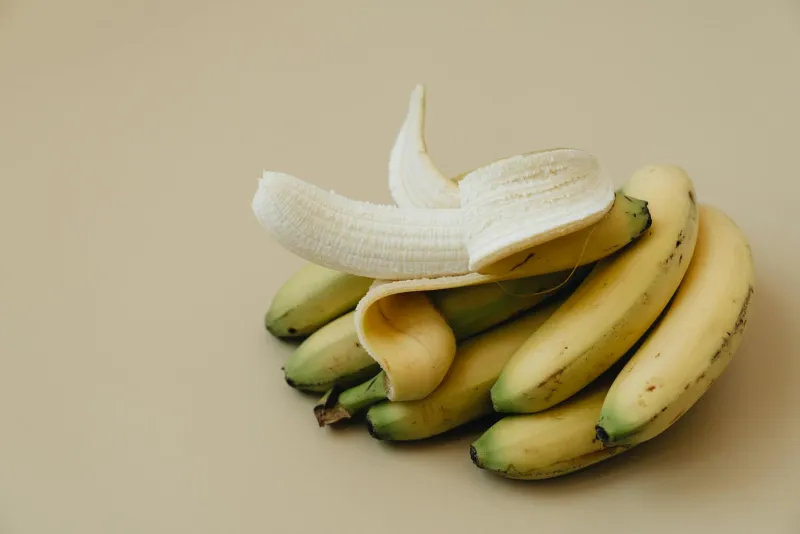
Why Potassium Is Non-Negotiable
Potassium (K) is the body's most abundant intracellular cation — roughly 98% of the body's total potassium resides inside cells. From there, it governs excitable tissues — muscles and nerve tissue — by maintaining the electrochemical gradient across cell membranes. Without adequate potassium, the heart cannot beat rhythmically, skeletal muscles cannot contract and relax properly, and nerve signals cannot propagate (Stone et al., 2016).
Potassium also works in concert with sodium as the primary regulator of blood pressure. High potassium intake directly counteracts sodium-induced blood pressure elevation (D'Elia et al., 2011).
The Global Shortfall: Most People Don't Get Enough
The WHO recommends 3500 mg of potassium per day for adults. In most Western countries, actual intake is only 2000–2500 mg — roughly 40% below target. This gap exists because processed food is low in potassium while high in sodium, and fresh fruit, vegetables, and legumes — potassium's richest sources — have declined in dietary share.
Symptoms of Potassium Deficiency
Mild deficiency (serum 3.0–3.5 mmol/L):
- Muscle weakness and cramps
- Fatigue and mood irritability
- Constipation
- Heart palpitations
Severe deficiency (below 3.0 mmol/L):
- Cardiac arrhythmias
- Respiratory muscle weakness
- Paralysis in extreme cases
Best Dietary Sources of Potassium
| Food | Potassium (mg/100 g) |
|---|---|
| Beans and lentils (cooked) | 400–600 |
| Baked potato (with skin) | 540 |
| Avocado | 485 |
| Cooked spinach | 540 |
| Salmon | 490 |
| Banana | 360 |
| Dried apricots | 1160 |
| Tomato paste | 1014 |
Note: boiling leaches potassium into cooking water. Steaming and roasting preserve more potassium than boiling.
Potassium for Athletes
Sweat contains significant potassium — intense exercise can cause losses of 300–500 mg per hour. Practical implications:
- Muscle endurance — low intracellular potassium potential accelerates fatigue onset
- Cramps — while cramp aetiology is multifactorial, potassium replenishment is an important recovery variable
- Fluid balance — potassium works alongside sodium and chloride to maintain cellular osmotic equilibrium
At maxfit.ee, OstroVit Potassium Citrate 200g provides pure potassium citrate powder that can be mixed into any drink — a flexible choice for athletes who want to dial in electrolyte intake precisely. SELF Potassium Magnesium 120 Vegan Caps combines potassium with magnesium — the two electrolytes lost most in sweat — in a convenient capsule. OstroVit Electrolyte 90tabs and OstroVit Pure Electrolytes 270g deliver a complete multi-electrolyte profile including sodium.
Do You Need Potassium Supplements?
Most people can meet potassium needs through a varied diet rich in vegetables, fruits, and legumes. Supplemental potassium is most useful for:
- Athletes with high sweat rates
- Patients on diuretic medication (diuretics increase urinary potassium excretion)
- Those on very low-carbohydrate diets (low-carb eating reduces potassium-rich plant food intake)
Safety note: High-dose potassium in capsule form on an empty stomach can cause GI irritation. Very large single doses can, in rare cases, affect cardiac rhythm — do not exceed the daily recommended intake. Those with kidney disease or heart conditions must consult a physician before supplementing.
The Potassium–Sodium Balance
The modern Western diet has inverted the optimal ratio: sodium from processed food is consumed in excess, while potassium from fresh foods is chronically low. The ideal potassium-to-sodium ratio is approximately 1:1 to 2:1. For most people eating a typical diet, it is effectively reversed.
FAQ
Is one banana enough to cover my potassium needs?
No — a banana provides ~360 mg, but the daily target is 3500 mg. Bananas are a good source, but need to be complemented by potassium-rich legumes, potatoes, leafy greens, and other vegetables throughout the day.
Can potassium lower blood pressure?
Yes — the evidence is robust. Higher potassium intake (especially with reduced sodium) lowers blood pressure by an average of 4–8 mmHg in hypertensive individuals. The DASH diet, which is potassium-rich and sodium-restricted, is a clinically validated blood pressure intervention.
Does post-workout muscle soreness relate to potassium?
Delayed onset muscle soreness (DOMS) is primarily an inflammatory response to micro-damage, not electrolyte deficiency. However, potassium deficiency can exacerbate cramping during exercise — making electrolyte replenishment an important part of recovery, even if it won't eliminate DOMS itself.
Potassium and Blood Pressure: The DASH Principle in Practice
The DASH diet (Dietary Approaches to Stop Hypertension) is one of the most clinically validated eating patterns for blood pressure management — and its core is high potassium intake combined with low sodium. The DASH diet achieves this by emphasising legumes, fruits, vegetables, nuts, and whole grains — all potassium-rich food groups.
Research shows DASH adherence lowers systolic blood pressure by an average of 8–14 mmHg — results comparable to some antihypertensive medications (Sacks et al., 2001). This works largely by normalising the potassium-to-sodium ratio, which helps the kidneys excrete sodium and relax arterial walls.
Potassium and Insulin Signalling
Potassium also plays a less-known role in blood glucose regulation. Lower potassium levels are associated with increased insulin resistance risk (Chatterjee et al., 2011). The mechanism involves potassium's role in pancreatic beta cell insulin secretion — depleted potassium impairs the cell membrane's ability to release insulin in response to glucose stimulation.
This means people eating low-potassium diets may carry a double burden: elevated blood pressure AND worsened blood glucose control — both interconnected, and both influenced by potassium status.
For athletes seeking to optimise electrolyte balance, OstroVit Potassium Citrate 200g offers pure potassium citrate for flexible dosing, while SELF Potassium Magnesium 120 Vegan Caps and OstroVit Pure Electrolytes 270g available at maxfit.ee provide comprehensive electrolyte coverage.
References
- Stone, M. S., Martyn, L., & Weaver, C. M. (2016). Potassium intake, bioavailability, hypertension, and glucose control. Nutrients, 8(7), 444.
- D'Elia, L., Barba, G., Cappuccio, F. P., & Strazzullo, P. (2011). Potassium intake, stroke, and cardiovascular disease. Journal of the American College of Cardiology, 57(10), 1210–1219.
- Weaver, C. M. (2013). Potassium and health. Advances in Nutrition, 4(3), 368S–377S.
- Aburto, N. J., Hanson, S., Gutierrez, H., et al. (2013). Effect of increased potassium intake on cardiovascular risk factors and disease. BMJ, 346, f1378.



